
Last updated November 15, 2026
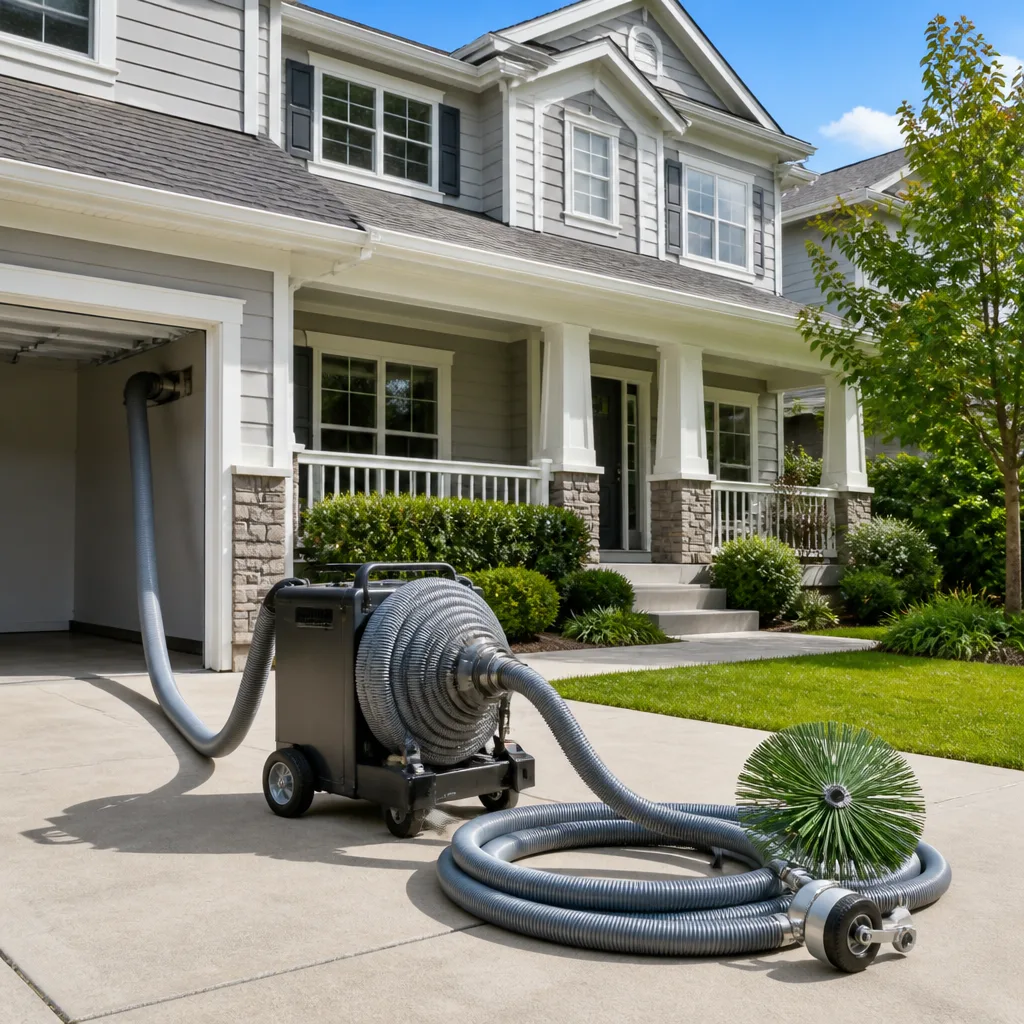 Whole-home duct cleaning
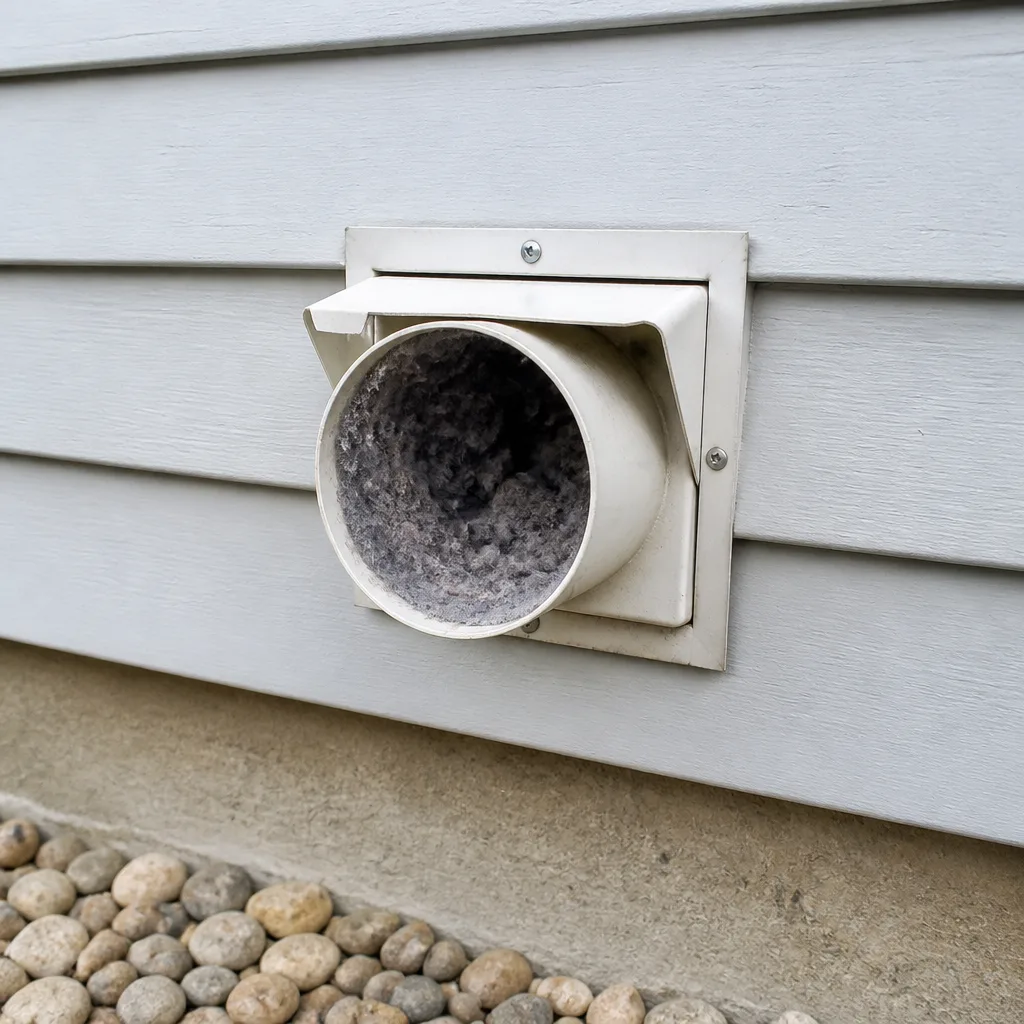 Dryer vent cleaning
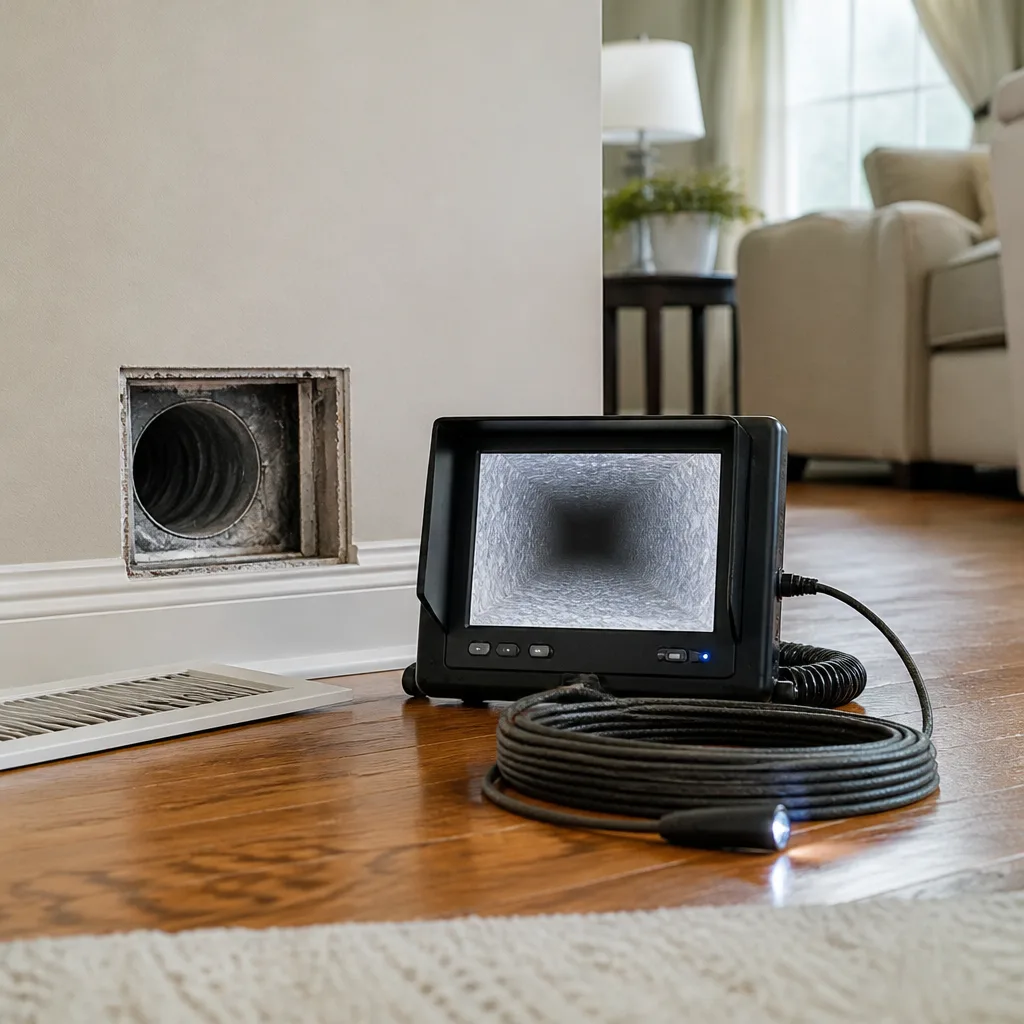 Camera inspection
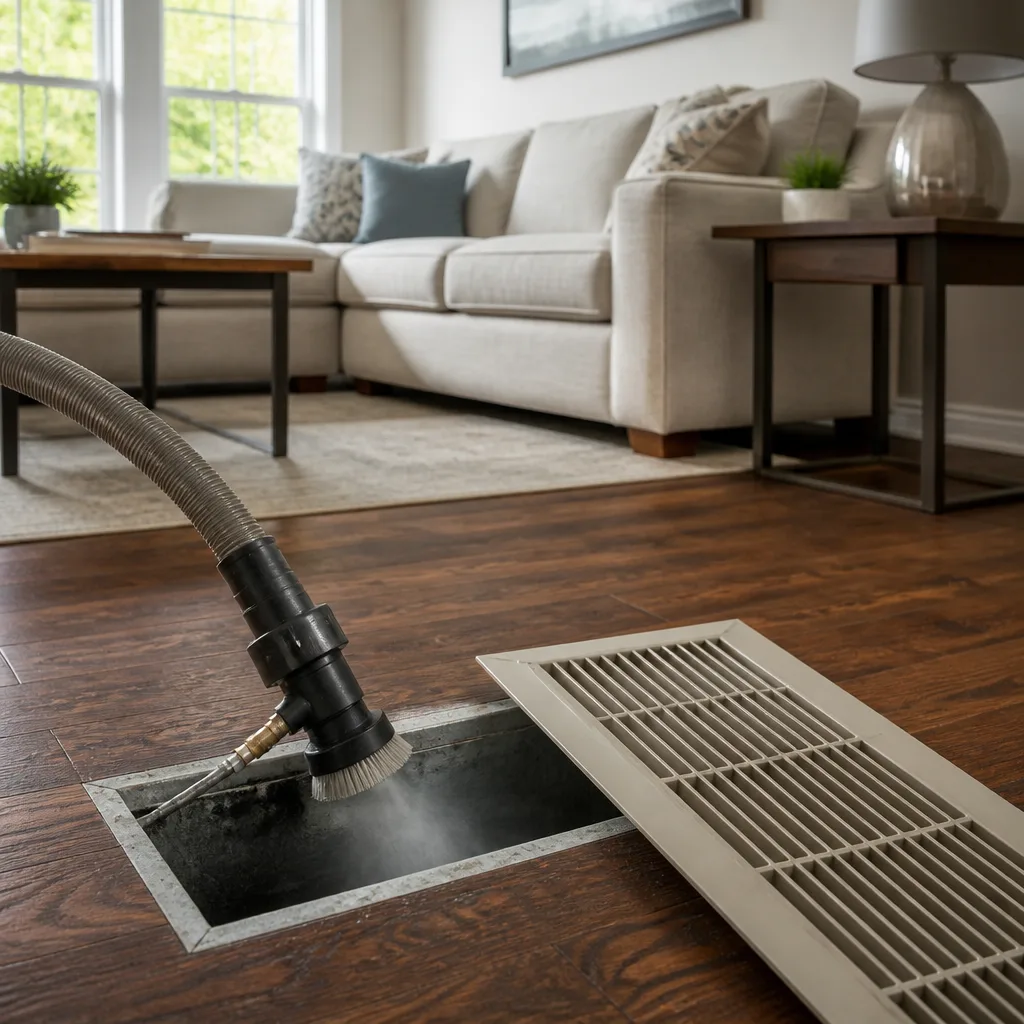 Sanitizing & deodorizing
Whole-system duct and dryer vent check with before-and-after photos - you see exactly what came out of your vents
That "$99 whole-house special" is a bait ad - the real number appears once they are in your hallway, or the "clean" is a shop-vac at the register. We photograph the inside of your ducts before and after instead.
The Complete Guide to Air Duct Cleaning in Paradise
Most duct cleaning advice you’ll find online was written for a place where the air conditioner runs four months a year. Paradise doesn’t work that way. Here, the cooling system runs most of the calendar, the ground is caliche and desert dust, and the wind moves fine particulate through the valley on a schedule of its own. A generic guide tells you to clean your ducts “every few years” and leaves it there. That’s not enough context to make a real decision. This guide treats Paradise as its own environment, with its own debris types, its own dust patterns, and its own reasons ducts clog faster than the national advice assumes. You’ll learn what a full-system cleaning actually covers, how to tell real cleaning from a vacuuming shortcut, and when it’s time to call.
Quick Answer
Air duct cleaning in Paradise means removing built-up dust, caliche grit, and debris from the entire air delivery system – supply runs, return runs, the air handler, and the coils – using negative pressure and rotary equipment, not a shop vac. In Paradise’s desert climate, with year-round AC operation, most homes benefit from a full-system cleaning every two to three years, or sooner after new construction or a major renovation. Clean ducts, fixed ducts, and healthy air come from equipment and thoroughness, not from a cheap coupon.
Styles & brands we work with
- Whole-home duct cleaning
- Dryer vent cleaning
- Camera inspection
- Sanitizing & deodorizing
Table of Contents
- Why Paradise Ducts Get Dirty Differently
- Caliche Soil and Desert Wind: The Debris Other Guides Miss
- Year-Round AC and Microbial Growth Inside Ducts
- What a Full-System Cleaning Actually Covers
- New Construction and Casino-Corridor Dust in Paradise Homes
- The Equipment Standard That Separates Real Cleaning From Vacuuming
- When Cleaning Isn’t Enough: Air Duct Repair
- Your Dryer Vent Is a Fire Risk. We Treat It Like One.
Why Paradise Ducts Get Dirty Differently
Paradise sits in a valley where the air carries more particulate matter than most of the Western U.S. That single fact changes the math on duct maintenance. In a humid climate, ducts mostly collect dust and the occasional mold bloom during the wet season. Here, the air is dry, dusty, and full of fine grit that gets pulled into the return every time the system cycles. And because the AC runs nearly every day of the year, the system cycles a lot.
That combination – high particulate load plus near-constant operation – means debris accumulates faster and compacts harder. The dust that lands in a Paradise duct doesn’t stay loose the way it might in a milder climate. It gets pulled through, pushed against registers, and baked into place by a system that never really rests.
There’s also the ground itself. Much of the valley is built on caliche, a cemented desert soil that breaks down into a fine, powdery grit when disturbed. Construction, landscaping, and plain wind lift that grit into the air, and your return pulls it in. It’s a debris type that humid-climate duct guides never mention because it doesn’t exist in those markets.
So when someone in Paradise asks how often ducts need cleaning, the national “every three to five years” answer doesn’t hold up. In our experience, two to three years is more realistic for most Paradise homes, and new construction owners should start thinking about it much sooner. Your house, your habits, and your filtration all shift that number, but the starting point is closer than the generic advice suggests.
Caliche Soil and Desert Wind: The Debris Other Guides Miss
If you’ve ever watched dust settle on a patio table an hour after you wiped it, you’ve seen what goes into your ducts. The debris in Paradise ductwork isn’t the same mix you’d find in a humid metro. It’s specific, and it matters for how cleaning has to be done.
Here’s what actually accumulates inside Paradise duct systems:
- Caliche grit: Fine, powdery silt from the cemented desert soil that breaks down under construction and landscaping. It’s abrasive and it clings to duct walls.
- Wind-borne desert particulate: The valley’s dust events push fine material into the air, and your return pulls it inside.
- Drywall and construction dust: In newer builds and remodeling projects, this settles into every run before the system ever runs a full season.
- Pollen and organic dust: Seasonal, but persistent because the system never stops circulating.
- Pet dander and household fibers: The everyday load that compounds with everything above.
That grit is the part competitors miss. Loose dust can be vacuumed. Caliche powder that’s been pulled against duct walls and baked by a running system needs rotary agitation to break free – which is why professional-grade equipment matters so much more here than in a milder climate. A vacuum alone pulls the loose material and leaves the rest.
We don’t just loosen the debris – we capture it. During a job, Abatement Technologies air filtration runs on-site so the material we dislodge doesn’t end up recirculating into your rooms. In a market where the debris is this fine, that matters.
Year-Round AC and Microbial Growth Inside Ducts
Here’s a point most guides skip: microbial growth inside ducts isn’t just about humidity. It’s about the system running. When the AC cycles almost daily, condensation forms on cold coils and inside ducts where the temperature swings. That thin layer of moisture, combined with a steady supply of dust, is a growth surface.
In Paradise, the AC runs nearly all year. That means the coil and the duct interior stay in that alternating wet-dry cycle far more often than in a climate that shuts the system down for half the year. The result: growth starts earlier and recurs more often than the national advice expects.
What to watch for:
- A musty or “dirty sock” smell when the system first kicks on. That’s a common sign of growth on the coil or duct lining.
- Visible dust streaks around registers, which usually means debris is being pushed through the grille.
- Increased dust settling on surfaces within days of cleaning.
- Allergy-type symptoms that ease when you’re away from home, a pattern that often points at the air system.
- Cold spots or weak airflow that suggest restricted runs or a coil problem.
None of these prove microbial growth on their own. But in a Paradise home where the system never really rests, they’re worth acting on. A proper cleaning removes the dust that feeds growth on the coil and inside the ducts; addressing the source is the point. If you want a more detailed walk-through of what that service involves, our page on air duct cleaning covers the process step by step.
What a Full-System Cleaning Actually Covers
This is where most quotes fall apart. “Duct cleaning” can mean almost anything, and a lot of companies clean a fraction of the system and call it done. A full-system cleaning is a defined scope, and it’s worth knowing exactly what’s in it before you accept an estimate.
A true full-system cleaning covers:
- All supply runs: every branch from the plenum to the register.
- Return runs: the return trunk and every return branch feeding back to the air handler.
- The air handler: the interior of the unit, the blower compartment, and the accessible duct connections.
- The evaporator coil: cleaned, not just inspected, because the coil is where the condensation and growth surface sit.
- Registers and grilles: removed and cleaned, not wiped in place.
- The main trunk and plenum: the largest duct sections, where the heaviest debris collects.
What many “duct cleaning” operations actually do is a different list: they run a vacuum hose through the trunk, skip the branches, leave the coils and handler untouched, and wipe the registers. That’s not a full-system cleaning. It’s a surface pass, and it’s exactly why some quotes look dramatically cheaper.
The honest measure is scope. If a quote doesn’t specify every supply run, every return, the air handler, and the coil, ask why. Clean ducts, fixed ducts, and healthy air only come from cleaning the whole system, not the parts that are easy to reach. In our experience, that’s the difference between a job that solves the problem and a job that looks like it did.
New Construction and Casino-Corridor Dust in Paradise Homes
Two conditions specific to Paradise put extra debris into ductwork before a home is even lived in.
New construction. Builders in the Paradise area finish homes fast, and construction dust – drywall, framing debris, concrete and caliche powder, insulation fibers – settles into every run before the system is commissioned. The HVAC system often runs during the finishing phase, which pulls that dust into the ducts and the air handler. That debris doesn’t leave on its own. If you’ve recently moved into a new build, a first cleaning is worth considering early, well ahead of the normal interval.
Casino-corridor proximity. Paradise is the home of the Las Vegas Strip corridor, and that proximity shapes local dust composition in ways a humid-climate guide has no reason to mention. Homes near the busier corridors pull in a mix of fine road dust, vehicle particulate, and the ambient material that density and traffic generate. It’s not a dramatic difference, but it is measurable, and it accumulates in the return the same way desert grit does – pulled in, compacted, baked into the duct walls over a running season.
Landlords and property managers in Paradise should pay particular attention here. A turnover unit near the corridor, or one that’s been through a renovation between tenants, is a candidate for a first cleaning before the next lease. What a tenant smells and sees in the first weeks shapes how they judge the property.
We treat the corridor and new-construction cases the same way: scope the full system, capture the debris, and show what came out. That last part matters. Before-and-after photos are the proof that the dust we describe here was actually there and actually gone.
The Equipment Standard That Separates Real Cleaning From Vacuuming
Here’s the plain version of the equipment question: consumer vacuums and cheap service “specials” can’t clean a duct system. They pull the loose surface layer and leave everything compacted on the walls. Professional duct cleaning is a different category of tool.
The standard includes:
- Negative pressure: a high-capacity vacuum attaches to the system, drawing air inward so debris is pulled toward the collection point rather than blown into the home.
- Rotary agitation: rotating brush and whip tools travel each run and break compacted debris off the duct walls, including the caliche grit that clings here.
- Contact cleaning of the handler and coil: the air handler and evaporator coil are cleaned where they sit, because that’s where growth and dust collect.
- On-site air filtration: equipment like the Abatement Technologies systems we run captures loosened material during the job so it doesn’t recirculate into your rooms.
- Register and grille removal and cleaning: cleaned off the system, not wiped in place.
We work with professional-grade Rotobrush and Nikro duct cleaning platforms – the same class of equipment used by certified HVAC and restoration contractors, not consumer-grade gear. And because we work with Honeywell and Aprilaire product lines, we can speak to the broader air-quality picture, not just the ducts. Filters, humidity, and the coil all interact with the same system, and treating one in isolation rarely solves the problem.
When you compare quotes, compare what’s in them. A quote built on the equipment above will look different from one built on a shop vac and an hour of time. That difference is the whole point.
When Cleaning Isn’t Enough: Air Duct Repair
Sometimes the problem inside the system isn’t dirt. It’s the ductwork itself. Disconnected runs, crushed flex duct, torn insulation, poorly sealed joints, and runs that were never sized right in the first place all reduce airflow and pull in unconditioned air or debris from unconditioned spaces.
Most cleaning-only companies hit this and stop. They clean what they can reach, note the damaged section, and refer you elsewhere. We do the repair ourselves, which means the system gets fixed, not just cleaned around.
Signs your ducts may need repair, not just cleaning:
- Cold or warm spots that cleaning didn’t fix.
- Weak airflow at specific registers while others are strong.
- Rattling, whistling, or unusual noise at the vents.
- Visible sagging, torn, or disconnected flex duct in the attic or crawlspace.
- Dust settling faster in one part of the house than the rest.
We use proper materials and finishing, with a Guardsman-grade standard for protective work – duct repair is about restoring the system’s integrity so the air it delivers stays where it belongs. Cleaning a system with a disconnected run is half a job. Repairing the system, then cleaning it, is the whole one.
Your Dryer Vent Is a Fire Risk. We Treat It Like One.
Duct cleaning and dryer vent cleaning get mentioned together, but they’re different jobs with different reasons. Lint buildup in a dryer vent is a documented leading cause of residential fires, and it’s preventable with regular cleaning. That’s why we treat dryer vent cleaning as a dedicated service, not an upsell tacked onto a duct visit.
Signs your dryer vent needs attention:
- Clothes take longer than one cycle to dry.
- The dryer body gets hot to the touch.
- The outside vent flap doesn’t open fully or stays closed.
- Lint visible around the vent hood or accumulating behind the dryer.
- A burning smell during a cycle.
Our page on dryer vent cleaning goes deeper on the process. The short version: if you can’t remember the last time the vent was cleaned, it’s due. Fire prevention is a reason to schedule, not a scare tactic.
Common Mistakes to Avoid
- Comparing prices before comparing scope. A cheap quote usually cleans less system. Ask exactly which supply runs, returns, the handler, and the coil are included before you compare dollars. In Paradise, the difference between a trunk-only pass and a full-system clean is the whole debate.
- Waiting for the national “every three to five years” advice. That interval was written for mild climates. In Paradise, where the AC runs nearly year-round and desert grit accumulates fast, two to three years is the more realistic starting point.
- Cleaning the ducts but leaving a disconnected run. Cleaning around broken ductwork doesn’t fix the airflow problem. Ask whether the company can repair what it finds, or whether it will refer you out at the worst moment.
- Ignoring the air handler and coil. The ducts aren’t the whole system. If the handler and coil are skipped, growth stays right where it feeds the air you breathe.
- Skipping a post-construction clean. New construction in Paradise fills ducts with drywall dust and caliche grit. Running the system through that debris for a year before the first clean is a mistake you’ll only notice by the dust on your shelves.
- Treating dryer vent cleaning as optional. It’s a fire-safety service, not a luxury. If the vent is overdue, schedule it before the next load of towels.
- Assuming a coupon price is the real price. A low teaser that grows once the technician is on site is the industry’s oldest problem. Ask for the whole-system range and a written estimate before any work starts.
See the difference
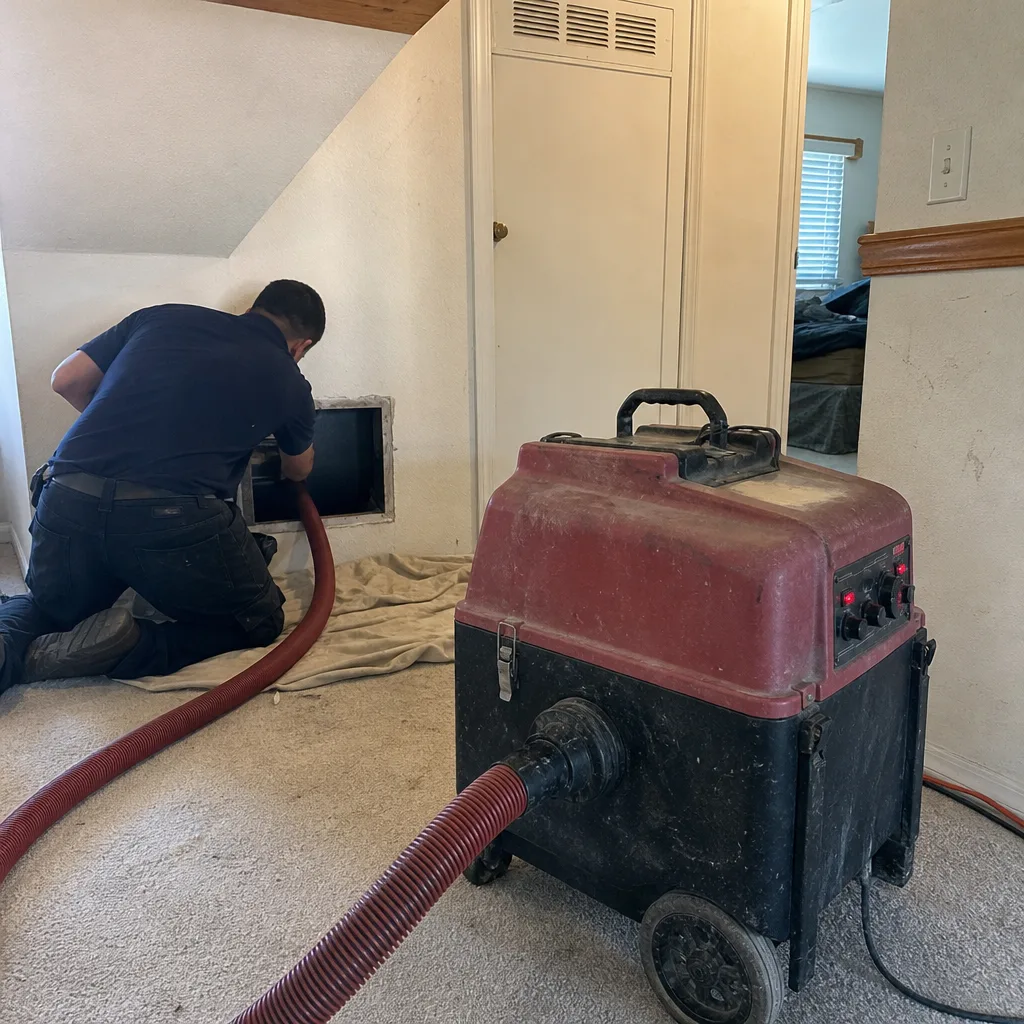 Before
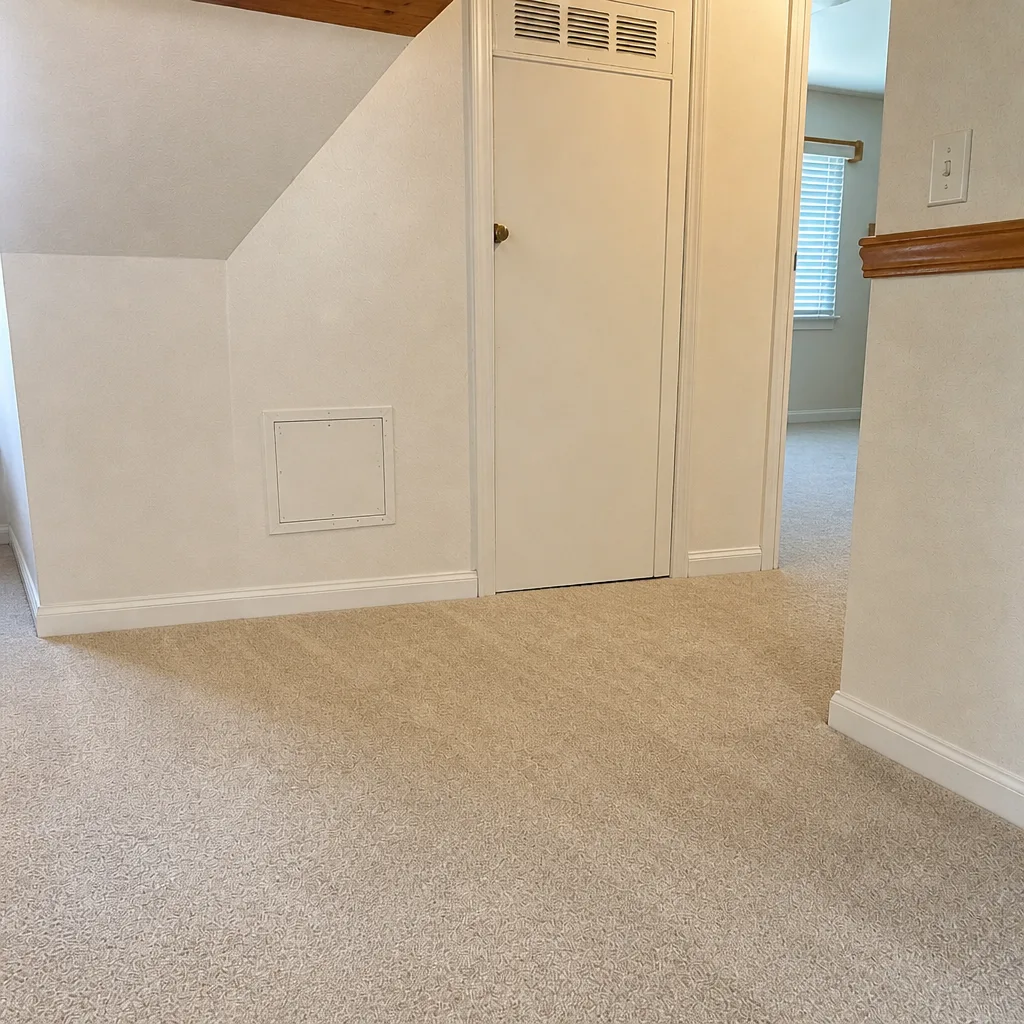 After
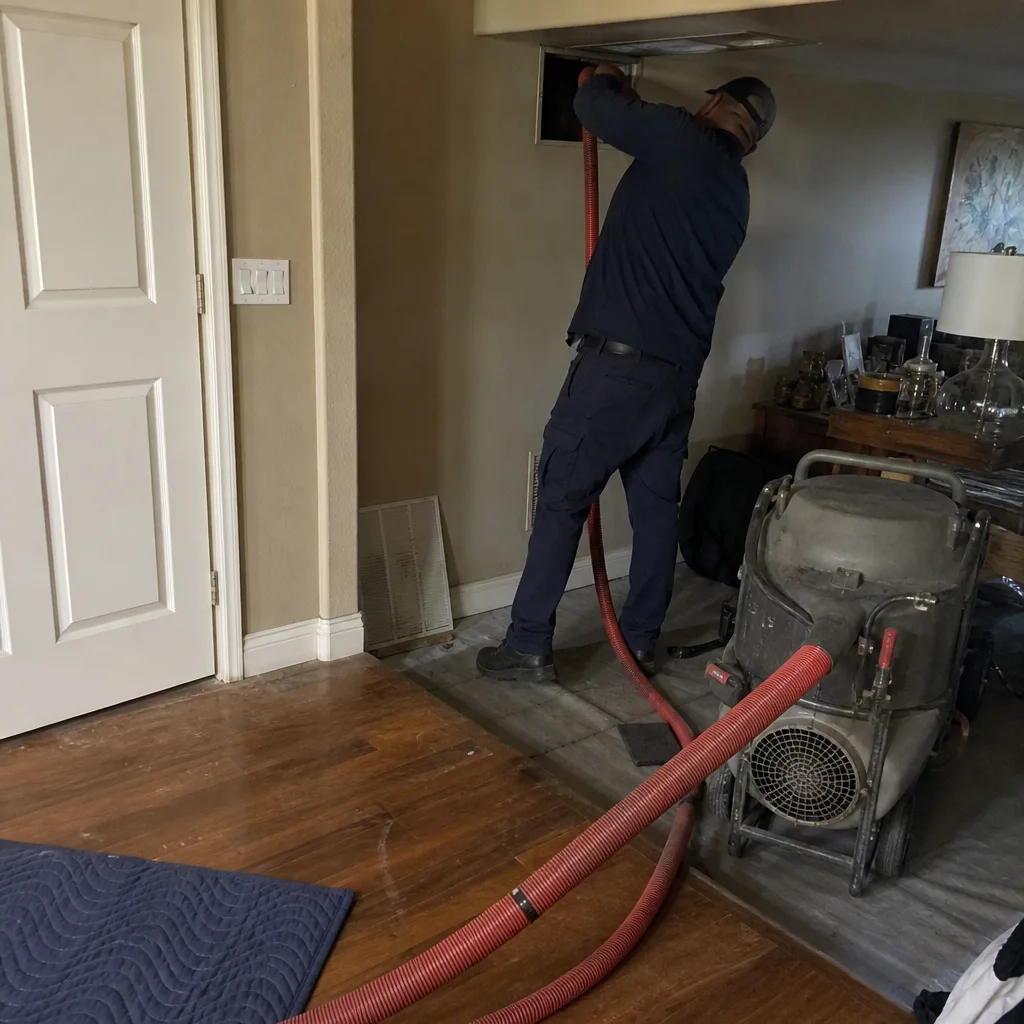 Before
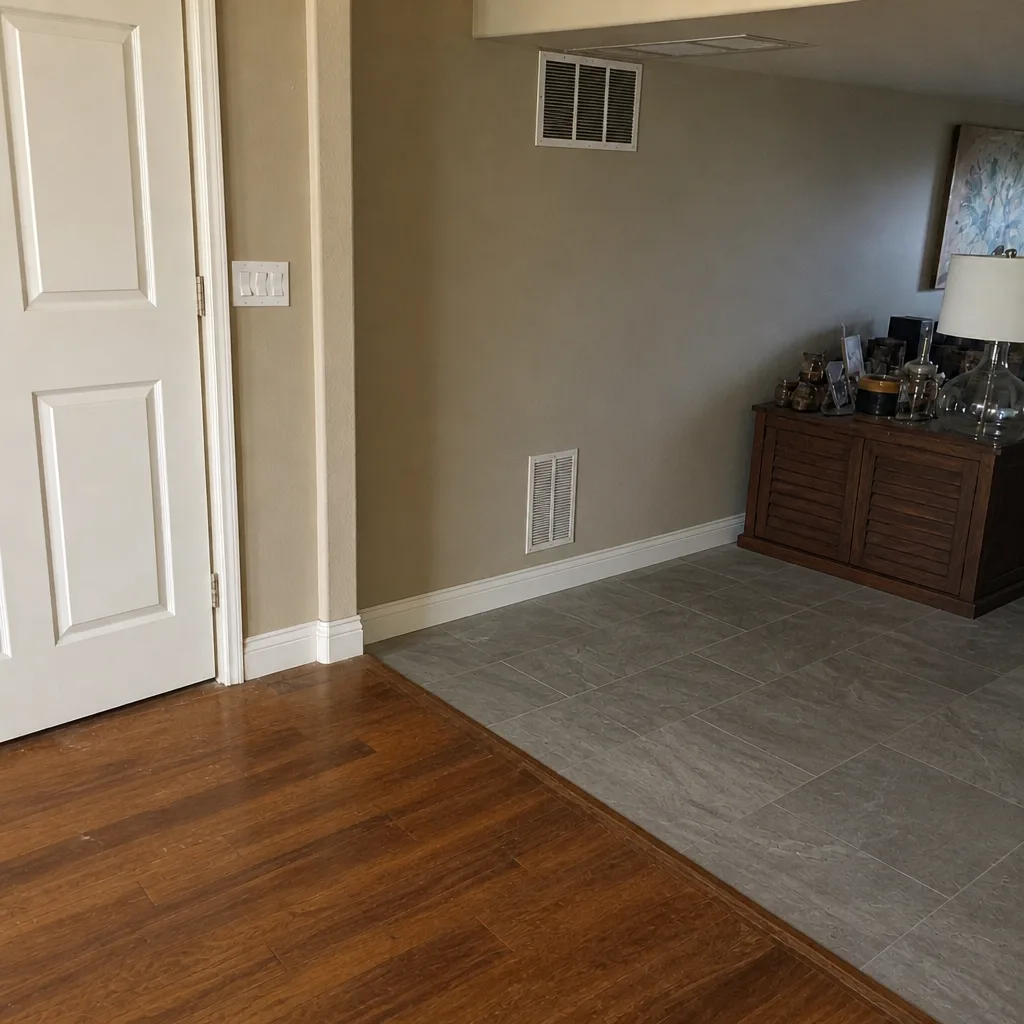 After
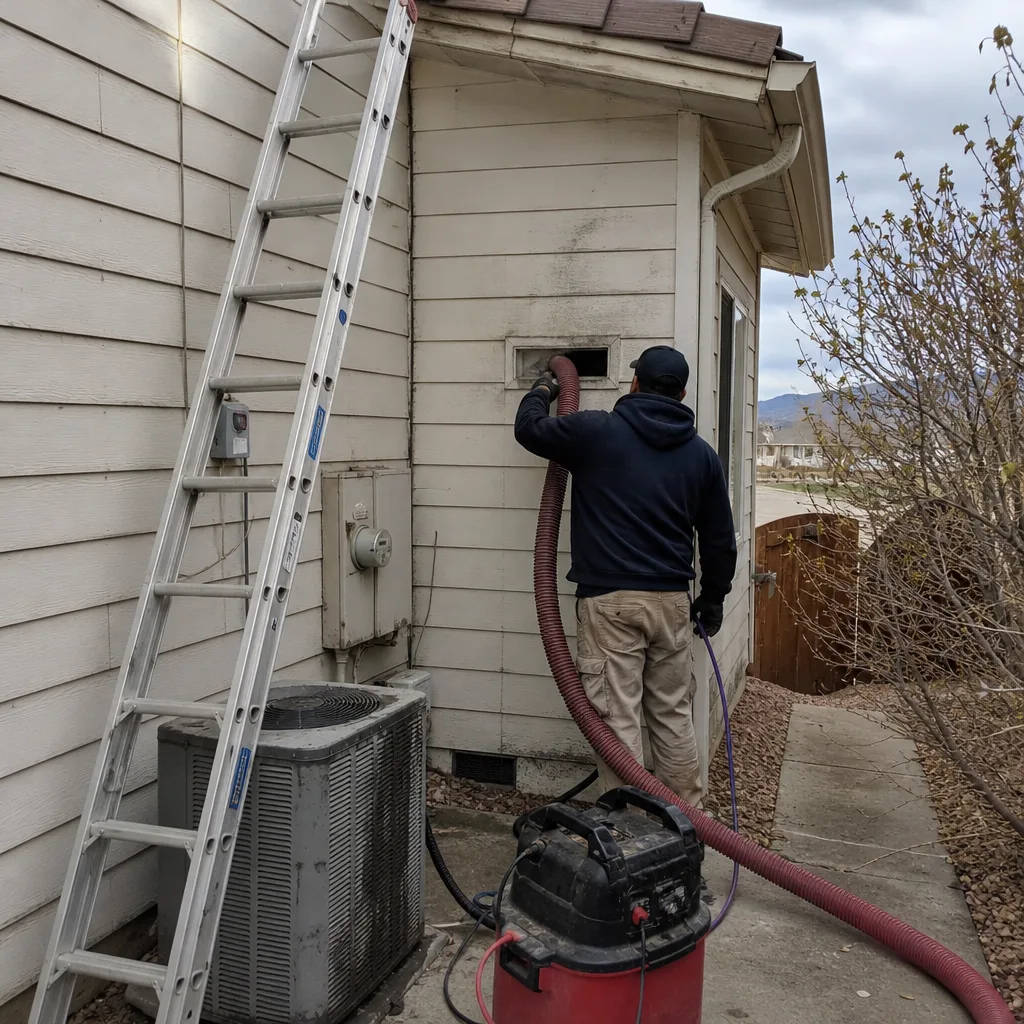 Before
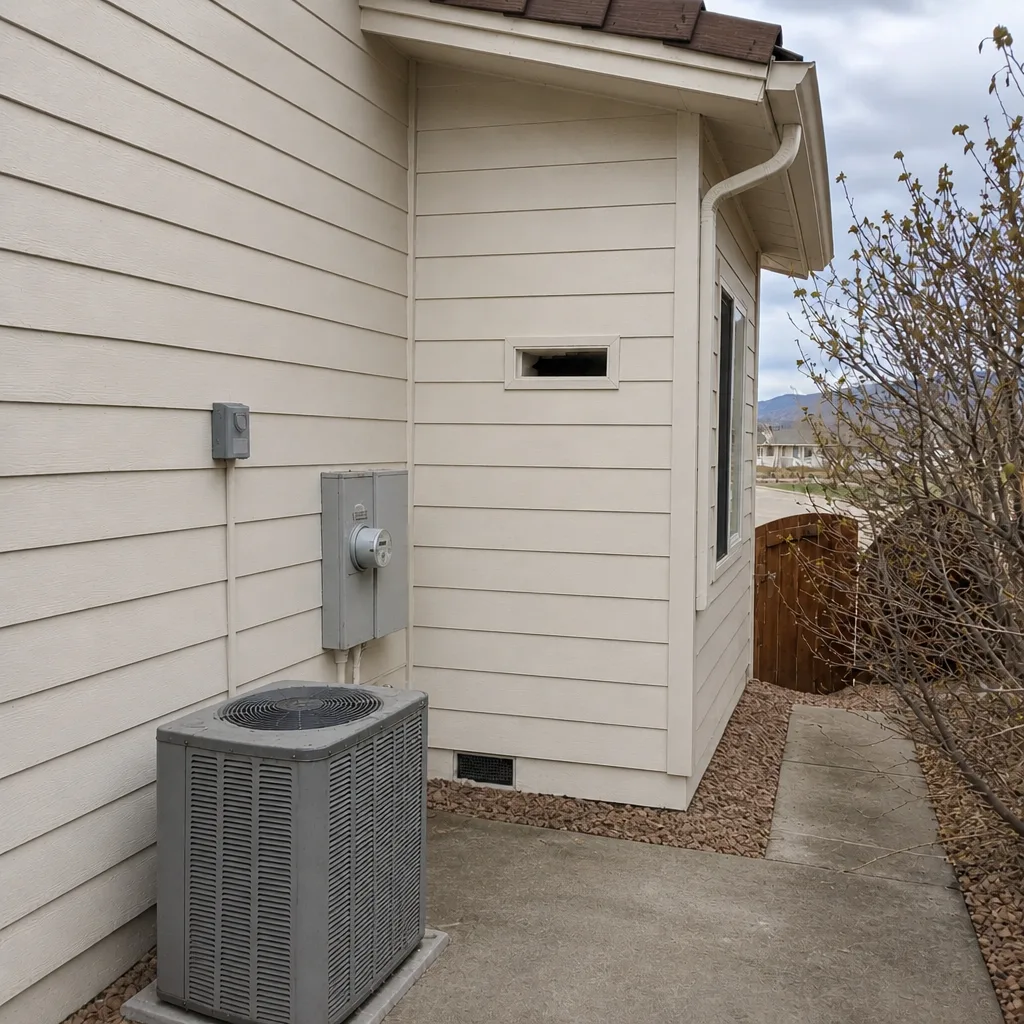 After
When to Call a Professional
Some jobs a homeowner can inspect. Cleaning the whole duct system isn’t one of them. Call a professional when you notice dust settling on surfaces within days of cleaning, when the system smells musty at startup, when airflow is weak or uneven across rooms, when you’ve just finished a renovation or moved into a new build in Paradise, or when the dryer takes more than one cycle to dry a load. Those are all conditions that point at the system, not the furniture. Repair and coil cleaning involve components that take trained handling and the right equipment. Paradise Duct Cleaning offers free estimates in Paradise – call (866) 330-2124. We answer 24/7. Fast dispatch from 7am to 7pm, Sunday through Friday. One flat price per system agreed before work starts, with before-and-after photos of your own ducts.
Frequently Asked Questions
Air duct cleaning in Paradise is priced per system, not per vent, and the exact figure depends on the size of the system, the number of runs, and whether repair is needed. The written estimate sets the final price, and we give it before any work starts. Call (866) 330-2124 for an exact quote – estimates are free.
Cheaper quotes usually clean less of the system – often just the trunk, with the branches, air handler, and coil left untouched. That’s not a full-system cleaning, and it’s why a low teaser price can climb once the technician is on site. Ask what’s in the scope before comparing prices. Call (866) 330-2124 and we’ll walk you through exactly what our estimate covers.
Before-and-after photos of your own ducts are the proof, and we provide them. A full-system job should also show you the removed debris, the cleaned coil, and the sealed connections. If a company won’t show you what came out, ask why. Call (866) 330-2124 to schedule an estimate and see how the process is documented.
In Paradise’s desert climate, with nearly year-round AC operation, most homes benefit from a full-system cleaning every two to three years. New builds, renovations, and homes near the casino corridor may need it sooner. Your system, filtration, and household habits all shift the timing. Call (866) 330-2124 and we’ll help you judge where your home stands.
Yes. Dryer vent cleaning is a dedicated service at Paradise Duct Cleaning, not an add-on. Lint buildup is a documented leading cause of residential fires, and it’s preventable. If it’s been more than a year since your vent was cleaned, schedule it. Call (866) 330-2124 – estimates are free.
We clean and repair. Disconnected runs, crushed flex duct, torn insulation, and poorly sealed joints get fixed as part of the job, not referred elsewhere. Many cleaning-only companies can’t offer that. Call (866) 330-2124 for a free estimate and we’ll scope both the cleaning and any repair your system needs.
The Bottom Line
Air duct cleaning in Paradise isn’t a generic home maintenance box to tick. The desert environment, caliche soil, and year-round AC run change what accumulates inside ductwork and how fast. A full-system cleaning has to cover supply runs, returns, the air handler, and the coil – not just the easy parts. Real cleaning relies on negative pressure, rotary agitation, and on-site capture, not a consumer vacuum. And repair matters as much as cleaning when the ductwork itself is compromised. If your home in Paradise is due, or you’re not sure it is, get a scoped, written estimate before you commit. We answer 24/7 at (866) 330-2124, with fast dispatch from 7am to 7pm, Sunday through Friday. Start with our Paradise Duct Cleaning overview to see the full range of what we do.
Written by the team at Paradise Duct Cleaning.