
Last updated November 15, 2026
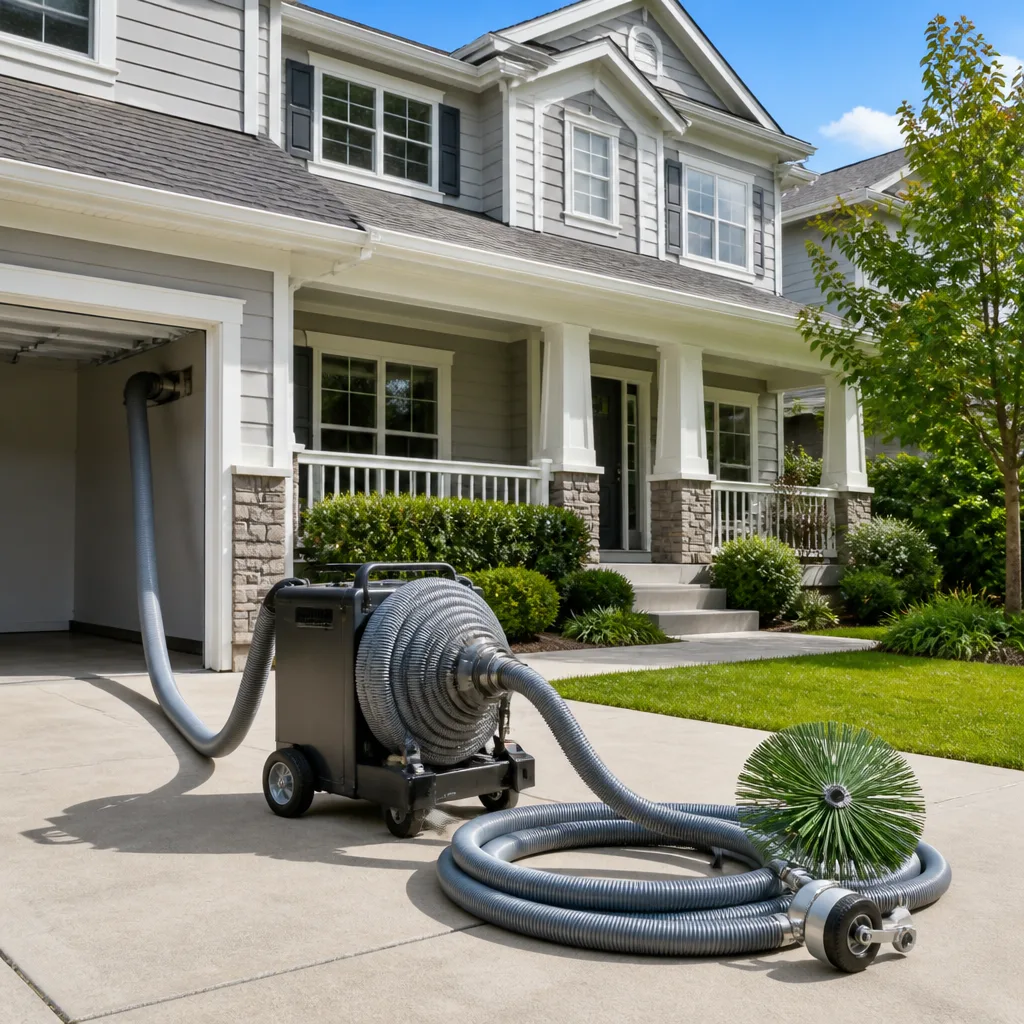 Whole-home duct cleaning
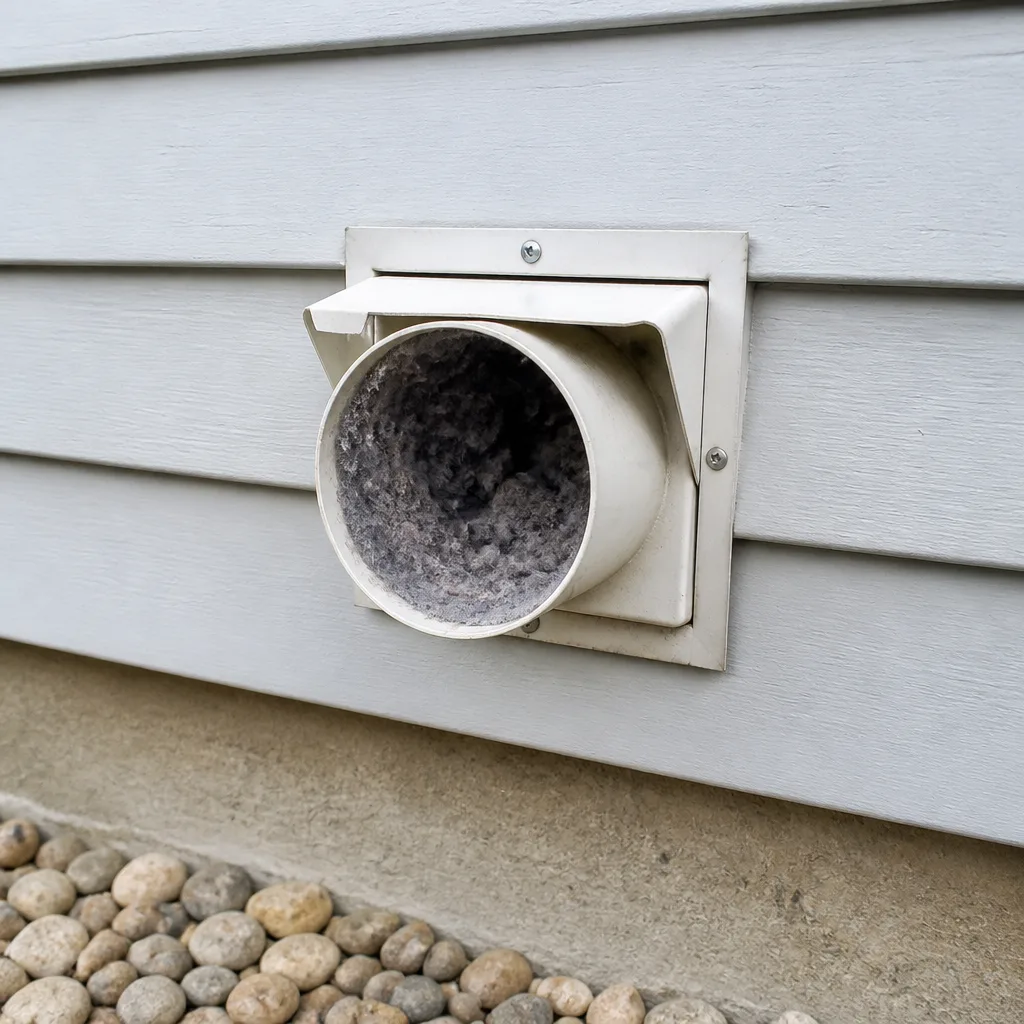 Dryer vent cleaning
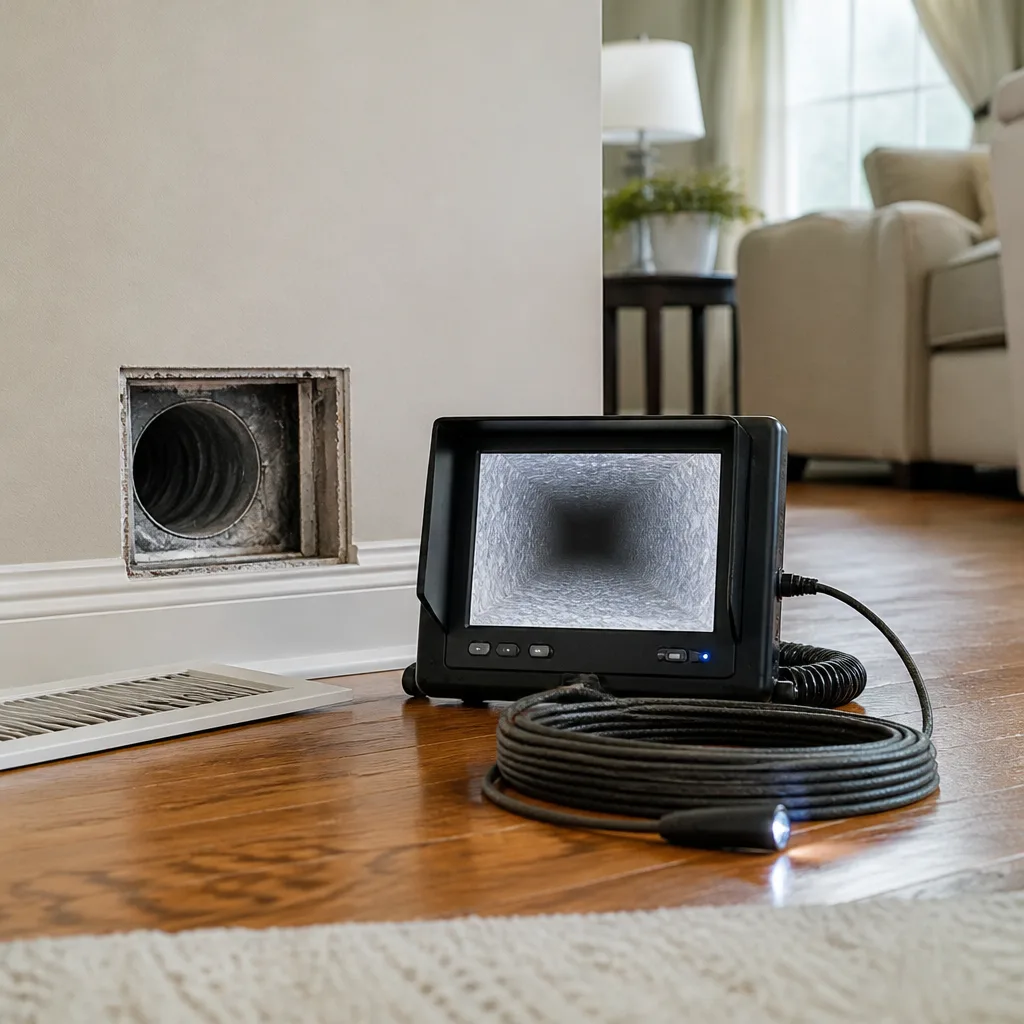 Camera inspection
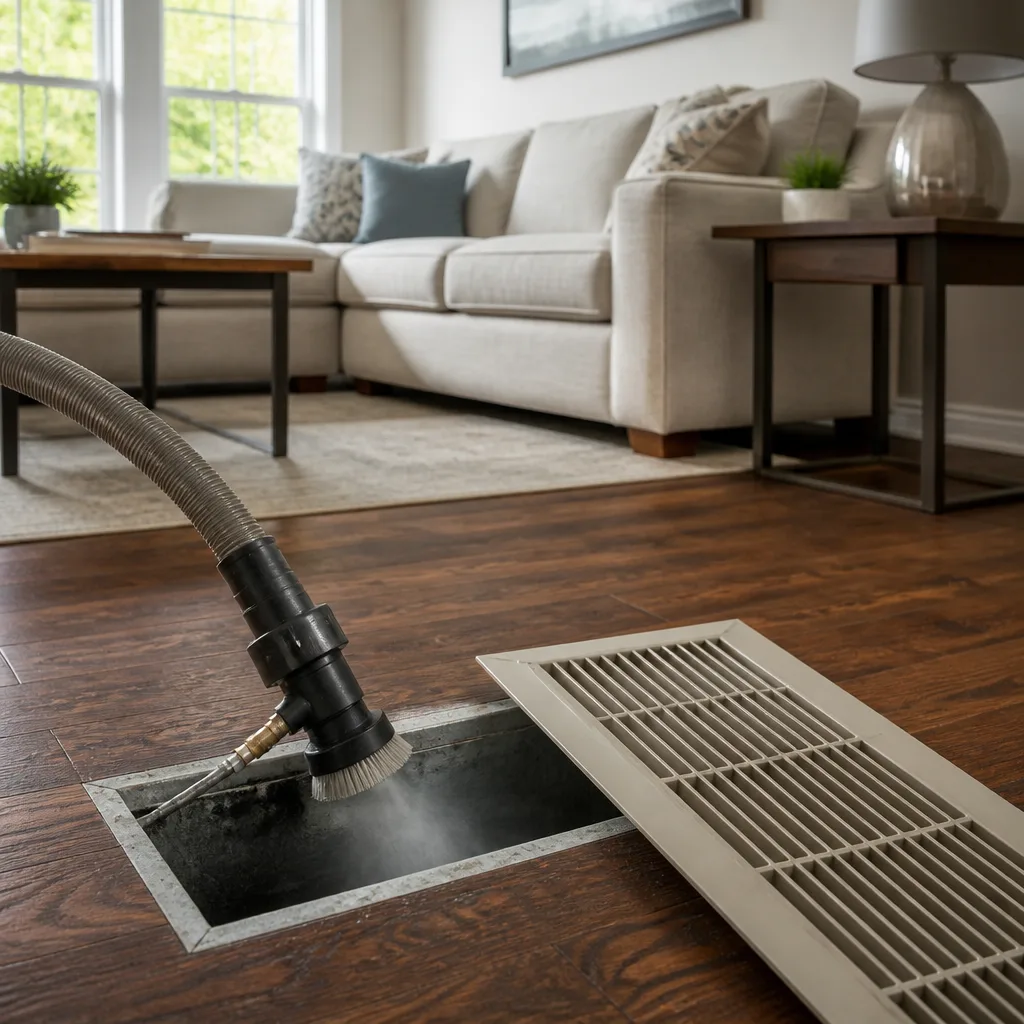 Sanitizing & deodorizing
Whole-system duct and dryer vent check with before-and-after photos - you see exactly what came out of your vents
That "$99 whole-house special" is a bait ad - the real number appears once they are in your hallway, or the "clean" is a shop-vac at the register. We photograph the inside of your ducts before and after instead.
DIY vs Professional Air Duct Cleaning: The Paradise Homeowner’s Decision Guide
Here’s the honest answer nobody in this trade likes to give: a homeowner with a shop vac, a brush kit, and a free weekend can absolutely do something useful for their ductwork. We’re not going to pretend otherwise. But that same homeowner should also know that a consumer setup reaches maybe a small fraction of what a professional negative-pressure system does, and in a desert valley where the AC runs hard for most of the year, the part it doesn’t reach is exactly where dust, debris, and airflow problems pile up. This guide walks through what DIY can handle, where it falls short, and how to decide which route makes sense for your Paradise home.
Quick Answer
DIY air duct cleaning is worth doing for surface-level maintenance: changing filters, wiping return grilles, vacuuming registers, and keeping an eye out for dust or pest signs. Professional cleaning is the right call when you need the full system cleaned, when airflow has dropped, when there’s visible debris or a health concern, or when ductwork is damaged and needs repair. In Paradise’s climate, the gap between what a consumer tool can reach and what a professional Rotobrush or Nikro system reaches is wide enough that most homes benefit from professional service at some interval, with DIY maintenance filling the space between visits.
Styles & brands we work with
- Whole-home duct cleaning
- Dryer vent cleaning
- Camera inspection
- Sanitizing & deodorizing
Table of Contents
- What DIY Air Duct Cleaning Can Really Do
- Why Consumer Tools Hit a Wall
- The Paradise Climate Factor
- DIY vs Professional: A Side-by-Side Comparison
- A Seven-Step DIY Maintenance Routine That Actually Helps
- When DIY Is a Reasonable Interim Measure
- When DIY Creates a False Sense of Completion
- Signs You Need Professional Air Duct Cleaning in Paradise
What DIY Air Duct Cleaning Can Really Do
Start with what’s realistic, because this is where a lot of homeowner frustration begins. A weekend of DIY effort can meaningfully improve the air coming out of your vents, even if it doesn’t clean the duct system. The tasks that genuinely help:
- Register and grille cleaning. Pulling supply and return grilles off, washing them in the sink or with a hose, and drying them before reinstalling removes a layer of dust that otherwise blows straight back into the room. This is the single highest-payoff DIY task.
- Filter changes. A fresh filter at the manufacturer’s recommended interval is the cheapest air quality improvement in any home. In Paradise, where dust is a constant and the AC pulls air for months on end, filters load up faster than the packaging suggests.
- Return plenum vacuuming. The short section of duct just behind the return grille collects the most dust. A shop vac with a crevice tool can reach it and pull out loose debris.
- Visual inspection. A flashlight and a phone camera can spot obvious problems: pest droppings, disconnected flex duct, torn insulation, mold-like growth, or debris piles.
- Exterior dryer vent lint removal. Clearing lint from the outdoor dryer vent flap is a legitimate homeowner task that reduces fire risk.
Notice what’s on that list: surfaces you can see and reach. Nothing on it involves the inside of a supply trunk line, the far end of a branch run, or the coil-side connections. That’s the boundary, and it’s where the conversation turns.
Why Consumer Tools Hit a Wall
Consumer duct cleaning kits are built around a shop vac motor and a flexible brush on a spinning rod. They’re clever products, and for a short straight run they work fine. The limits show up fast:
- Suction volume. A shop vac moves a fraction of the cubic feet per minute that negative-pressure equipment does. Professional systems pull the whole system under vacuum so loosened debris is captured, not blown back into living space. We use Abatement Technologies air filtration on-site specifically to capture what gets dislodged. A shop vac without HEPA containment can redistribute fine dust across the room it’s supposed to be cleaning.
- Reach and agitation. Consumer brushes reach a few feet into a straight run and lose effectiveness at every turn. Rotobrush and Nikro systems are designed for realistic duct geometry: turns, wyes, plenum transitions, and long branch runs. Brush head size and rotational force are tuned for the job rather than for a homeowner budget.
- Access. Proper cleaning means cutting access points into trunk lines and sealing them afterward. Most homeowners aren’t set up to do that, and doing it wrong creates a leak that costs more to fix than the cleaning would have.
- Debris weight. Construction dust from a remodel, drywall fragments, and rodent debris are heavier than household dust. Consumer suction struggles with them; professional systems are engineered for them.
The honest framing is this: a shop vac and a brush kit will clean the surfaces closest to the register. That’s real, and it’s better than nothing. But it leaves the bulk of the system untouched, and the untouched part is where the problems tend to live.
The Paradise Climate Factor
Duct cleaning is not the same job in Paradise as it is in a mild coastal market, and pretending otherwise is how generic advice fails. Three conditions shape the risk calculus here:
High dust load. Desert dust is fine, persistent, and blows constantly. It gets pulled into the return, settles in ductwork, and coats surfaces. Homes here accumulate duct debris faster than the national average, which pushes the useful service interval shorter than what a general online guide might suggest.
Long AC run times. Cooling season in Paradise is long and demanding. Systems pull hundreds of hours more air per year than in a temperate climate. Every hour of runtime moves more dust through the ducts and past the filter. That wear-and-load math matters.
Attic duct exposure. A large share of Paradise homes route flex duct through the attic. Attic temperatures in this climate can climb to around 150°F during summer afternoons. That heat bakes flex duct, stiffens insulation, and can cause the outer jacket to degrade, creating new leak points and pulling hot attic air into the supply stream. Ducts that live in that environment need inspection and, often, repair, not just a surface clean.
That’s why we treat air duct repair as a core service rather than an upsell. If we open a system and find disconnected runs, crushed flex duct, or failed mastic joints, cleaning without repair just pushes the problem down the road. You can read more about the cleaning side on our air duct cleaning page, and about the repair scope when we talk through your estimate.
DIY vs Professional: A Side-by-Side Comparison
Here’s the decision laid out plainly. Use this to match your situation to the right approach rather than guessing.
- Reach: DIY covers registers, return plenums, and short straight runs. Professional equipment reaches full trunk lines, branch runs, wyes, and coil connections.
- Containment: DIY typically recirculates fine dust into the room unless a HEPA vacuum is used with care. Professional work runs under negative pressure with on-site air filtration, so dislodged debris is captured rather than released.
- Agitation: DIY brushes lose force at turns. Professional rotary and air-whip tools are engineered for full-run agitation.
- Repair capability: DIY stops at what’s visible. Professional work includes sealing access cuts, repairing disconnected or crushed ductwork, and re-insulating where needed.
- Time and mess: A DIY pass takes a homeowner most of a weekend. A professional cleaning is a scheduled job that finishes the same visit.
- What it’s actually good for: DIY is best for routine upkeep between visits. Professional service is best for the full system, for problem-solving, and for anything involving repair.
- When it’s worth the cost: DIY is free. Professional service is priced per system by written estimate, and the value shows up in what actually gets cleaned and what gets fixed.
One clarification worth stating plainly: our estimate is free, and the price is set per job by the written estimate before work starts. There’s no per-vent pricing, and no teaser number that changes once a technician is on site. We take before-and-after photos of your own ducts so you can see what was there and what changed.
A Seven-Step DIY Maintenance Routine That Actually Helps
If you’re going to do what a homeowner can reasonably do, do it well. This is the routine we’d recommend for any Paradise homeowner between professional service visits:
- Turn the system off at the thermostat. No airflow while you’re working.
- Photograph every register and grille before you touch it. You’ll want the reference when you reinstall, and the photos help you spot change between visits.
- Remove and wash supply and return grilles. Warm water and a light degreaser. Dry them completely before reinstalling so you’re not adding moisture.
- Vacuum the return plenum with a HEPA shop vac. Crevice tool only. Don’t reach deep into the duct, and don’t try to spin a consumer brush past a turn, because the brush can separate from the rod and jam the run.
- Replace the filter. Check the manufacturer’s spec for the right MERV rating. Going too high restricts airflow and strains the blower.
- Do a flashlight inspection. Look for pest activity, moisture, torn jacket material, or disconnected joints. Take photos of anything odd so a professional can assess it later.
- Clear lint from the exterior dryer vent flap. That’s maintenance, not a substitute for actual dryer vent cleaning, and we’ll explain the difference below.
Do this twice a year, more often if you have pets or you’re near a construction site. It buys real time between professional visits and it keeps the system’s surface layer from becoming the problem.
When DIY Is a Reasonable Interim Measure
DIY makes sense in a few clear situations, and there’s no shame in going that route:
- You’ve just bought a home and the inspection was clean. A cosmetic pass on registers and a filter change is fine while you settle in.
- A professional cleaning was done recently and you want to keep the system clean. That’s the ideal time for a maintenance routine, because you’re extending a known-clean baseline rather than guessing.
- Life is busy and you need to bridge a few months. Surface cleaning and filter changes beat doing nothing.
- You’re managing multiple rental units and the priority is quick cosmetic upkeep. Landlords often use DIY for routine turnover tasks and reserve professional service for the annual or move-in deep clean.
In each of these, DIY is doing what it’s good at: small, frequent, preventive actions. It’s not cleaning the duct system, but it’s not pretending to either.
When DIY Creates a False Sense of Completion
This is the more important section. In our experience, the real risk with DIY isn’t that it does nothing. It’s that it does something visible, and that visible result convinces a homeowner the system is clean when it isn’t.
- Registers look clean, ducts don’t. Washing a grille changes what you see in the room. It doesn’t touch the dust load ten feet down the run.
- You can’t see what you can’t reach. Consumer tools stop at the first turn. That’s where debris accumulates in most systems, and where a professional rotary brush has to be used.
- Dislodged debris recirculates. Without negative pressure and on-site air filtration, loosening dust in a duct can push it back into the air the family breathes. That’s the wrong outcome.
- Repair needs go unnoticed. A homeowner vacuuming a return isn’t checking for disconnected flex duct or failed mastic joints at the plenum. Those failures cost far more in wasted energy than cleaning costs to prevent.
- Dryer vent surface cleaning isn’t vent cleaning. Clearing the outdoor flap is useful. But lint packs deep inside the run and behind the dryer. That’s the fire-risk zone, and it needs proper cleaning with the right tools. It’s a dedicated service for a reason.
- Health concerns get deferred. If someone in the household has asthma or allergies and you’ve “cleaned” the ducts yourself, you may put off the professional service that would actually help.
So DIY’s biggest weakness isn’t what it fails to clean. It’s what it lets you postpone.
Signs You Need Professional Air Duct Cleaning in Paradise
Some problems don’t belong in the DIY column. Reach for the phone when any of these show up:
- Visible dust plumes from registers every time the system kicks on
- Airflow that’s noticeably weaker than it was a year ago
- Musty or stale odor when the AC first cycles on
- Signs of pest activity (droppings, nesting material, dead insects) in the return
- Recent water intrusion or moisture damage near ductwork
- Recent remodeling or construction that generated drywall dust
- Attic flex duct with torn jacket material or disconnected runs
- Anyone in the home with respiratory sensitivities or allergies
- A move-in date, especially for a previously vacant home
- Sudden lint buildup behind the dryer or a dryer taking longer than usual
Homes here face an additional test that most climates don’t force: after a long cooling season, running a hand near a supply register and finding fine dust on your palm is a signal that the system is saturated. Time for a professional assessment.
Common Mistakes to Avoid
- Thinking a clean filter equals clean ducts. A filter protects the equipment; it doesn’t clean what’s already settled in ductwork. In Paradise’s dust load, filters do more work and need more frequent changing, but they still don’t replace professional cleaning.
- Using a household vacuum without HEPA containment. A standard vac can aerosolize fine dust and push it across the room. If you do DIY vacuuming, use HEPA filtration or don’t do it.
- Spinning a consumer brush past a turn. Consumer duct brushes can separate from the rod inside a run, which means a professional extraction is now required to remove the brush. Stop at the first turn.
- Skipping the dryer vent thinking register cleaning covers it. Lint behind the dryer and inside the run is the fire-risk zone. Surface wiping doesn’t touch it. dryer vent cleaning is a separate service because it addresses a separate risk.
- Missing disconnected or crushed flex duct during a DIY pass. In Paradise attics, summer heat stresses flex duct, and a disconnected run dumps cool air into a 150°F space. That’s a repair issue, not a cleaning issue, and it needs a proper inspection.
- Hiring on price alone and getting a teaser. The duct cleaning industry has a well-earned reputation for low advertised prices that balloon once the technician is on site. Ask for a per-system, written price before work starts, and ask how you’ll verify the work was done.
- Never booking professional service at all. DIY maintenance is a between-visit strategy, not a replacement for it. Homes in Paradise accumulate duct debris fast enough that most benefit from a professional cleaning at a shorter interval than a general online guide would suggest.
See the difference
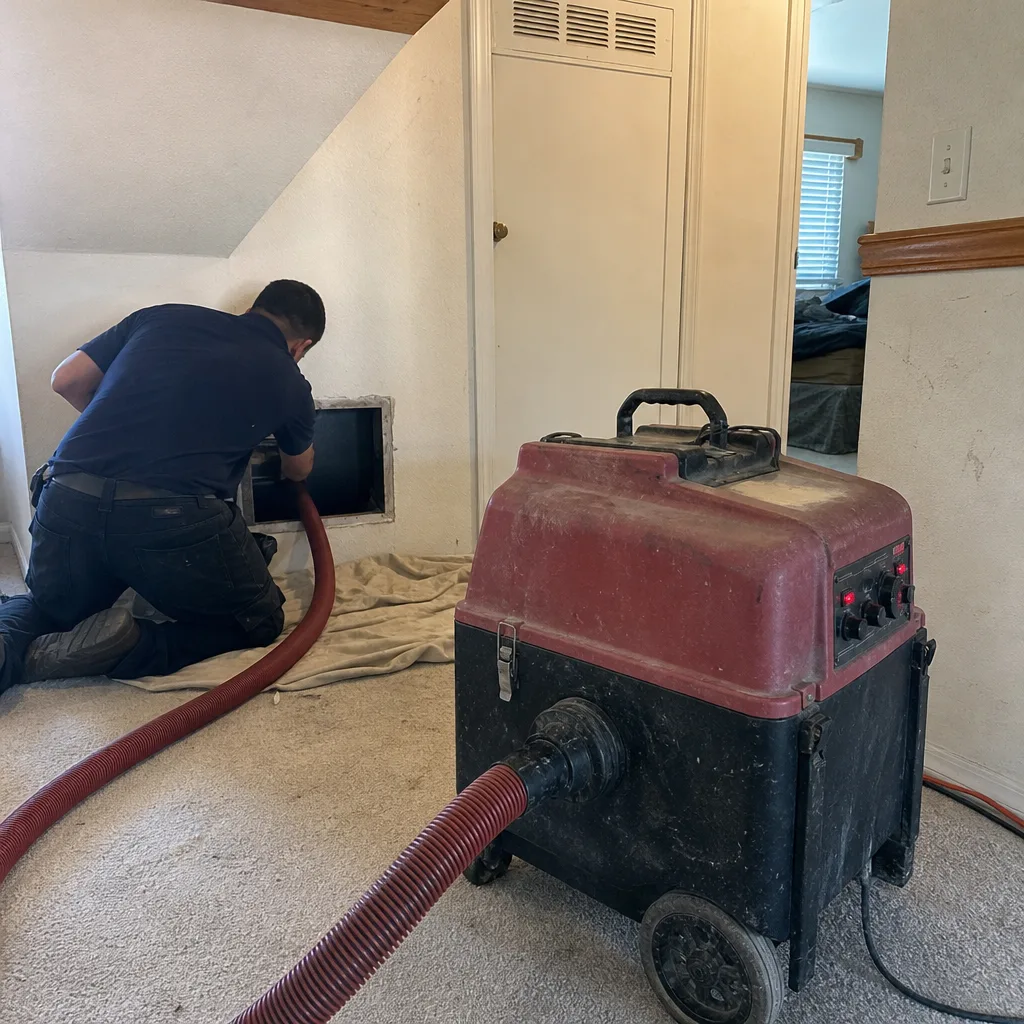 Before
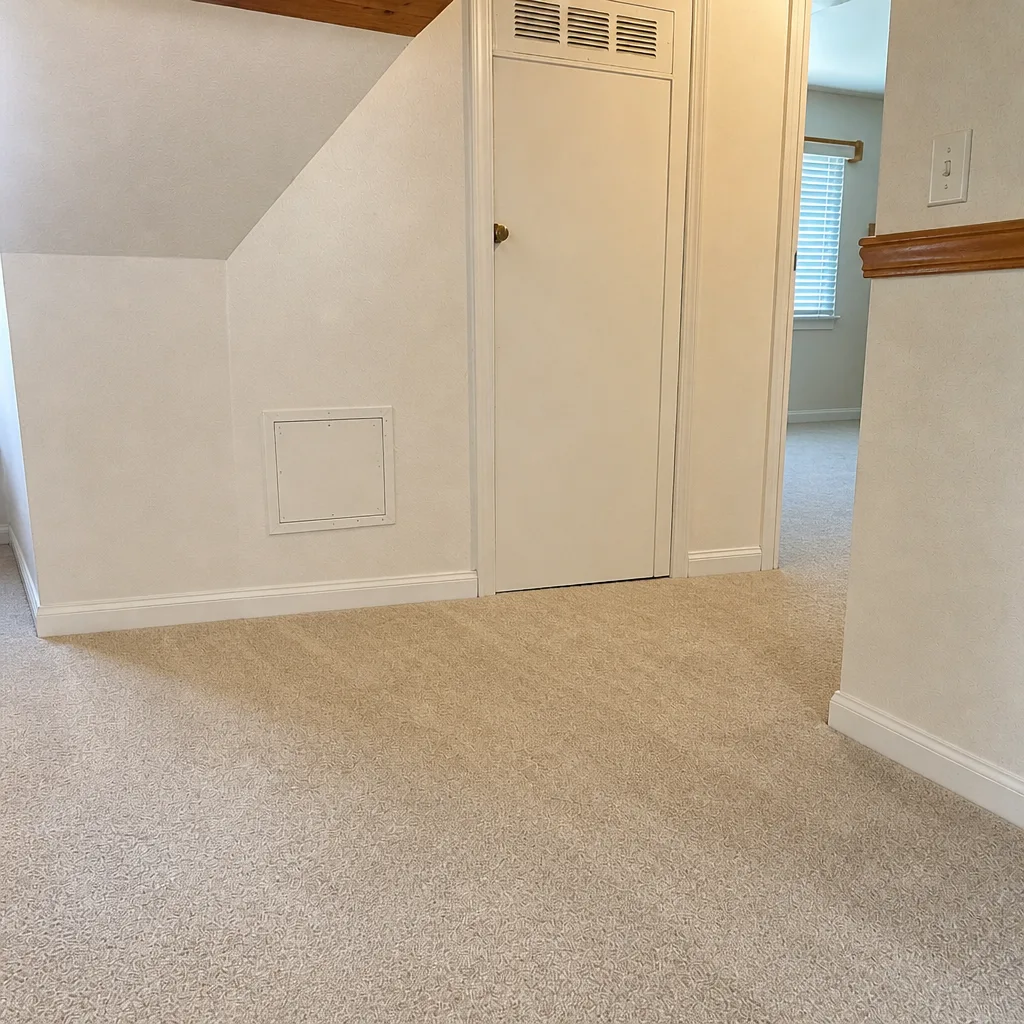 After
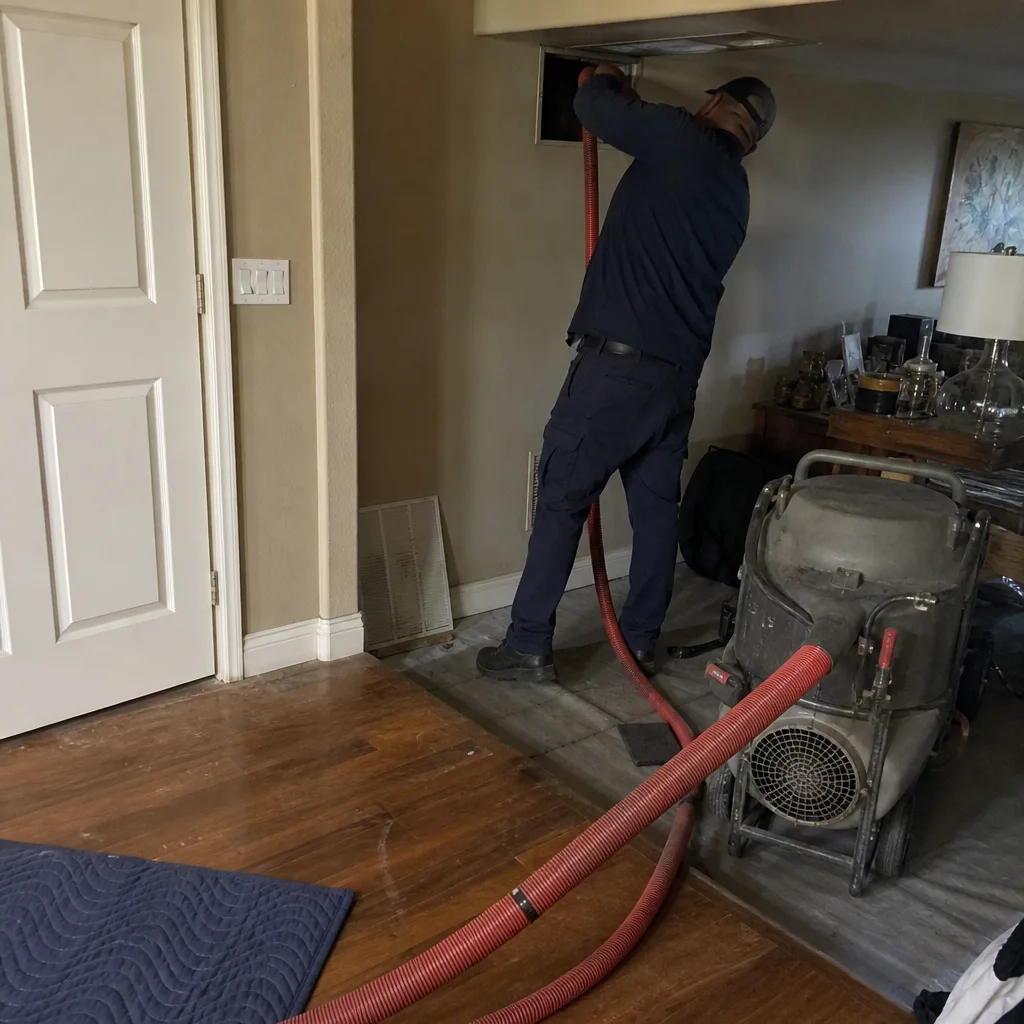 Before
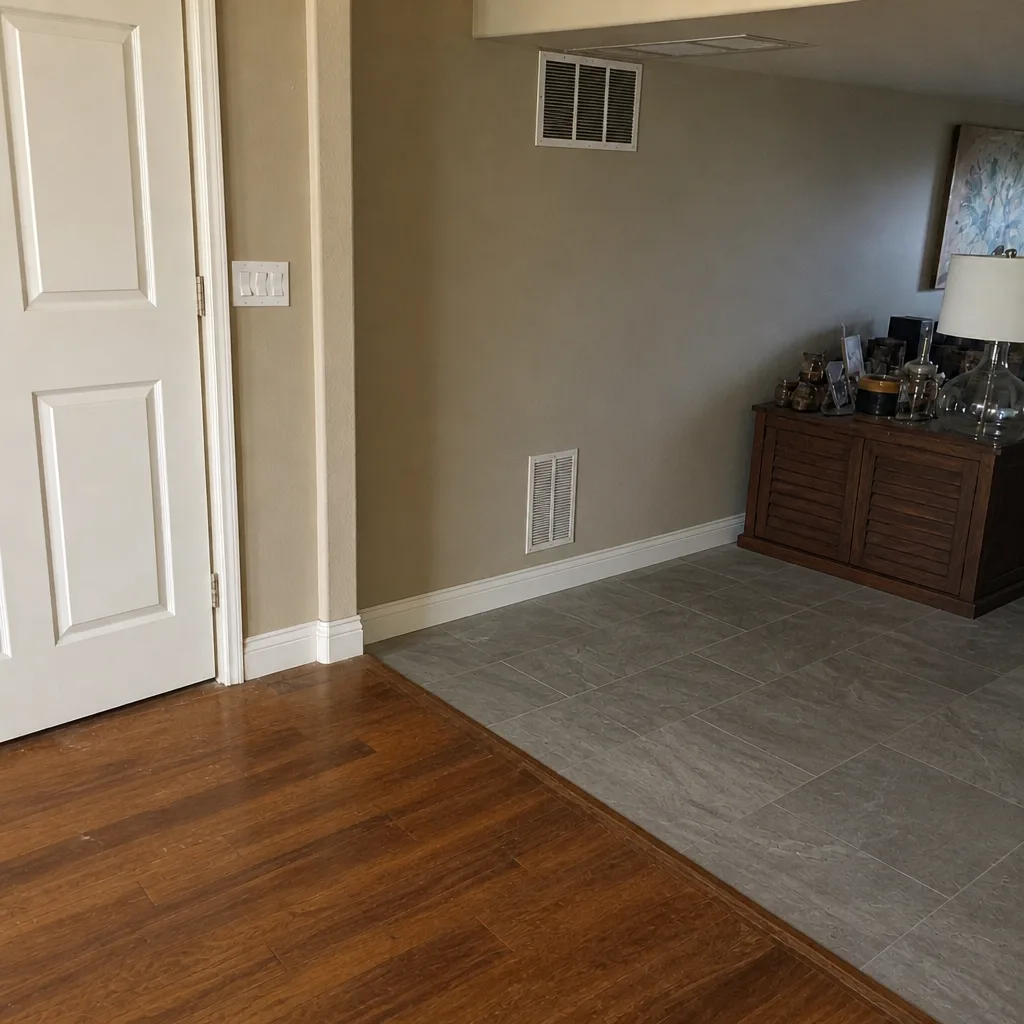 After
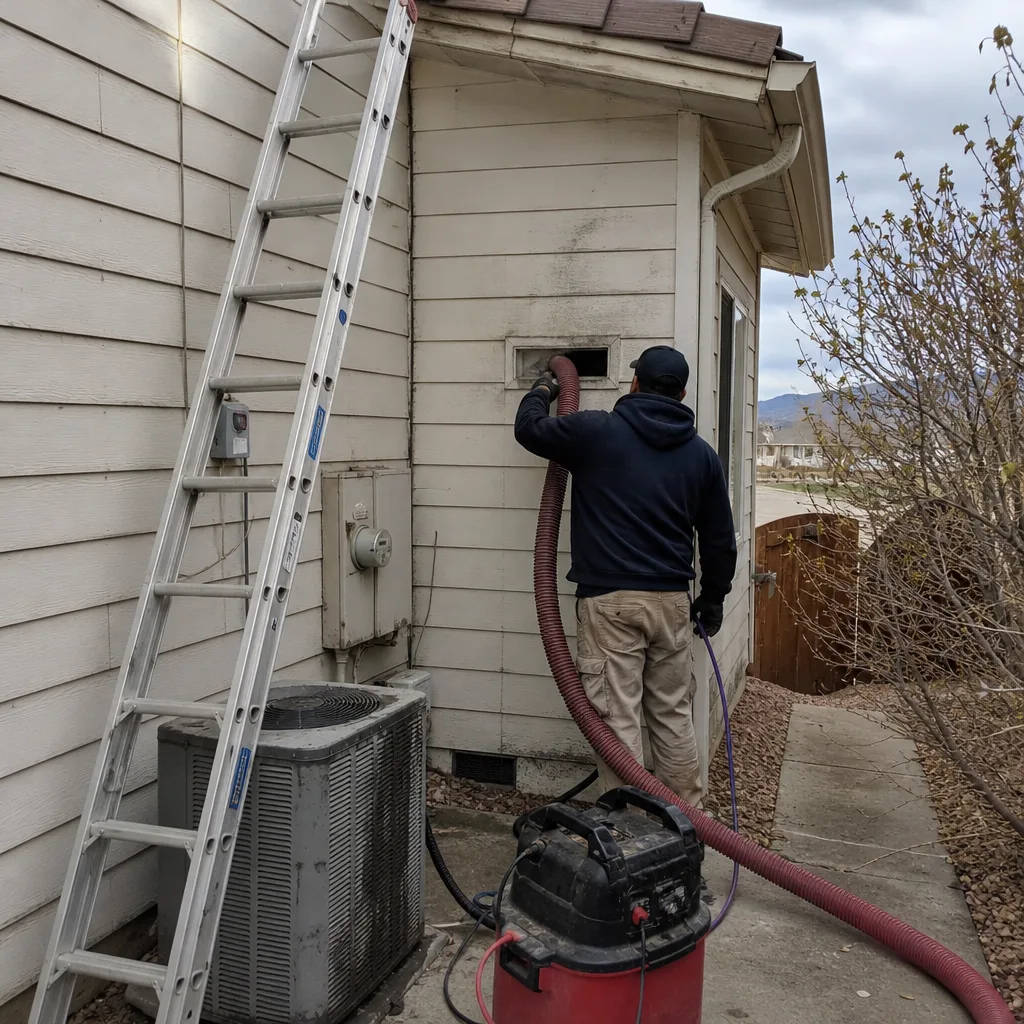 Before
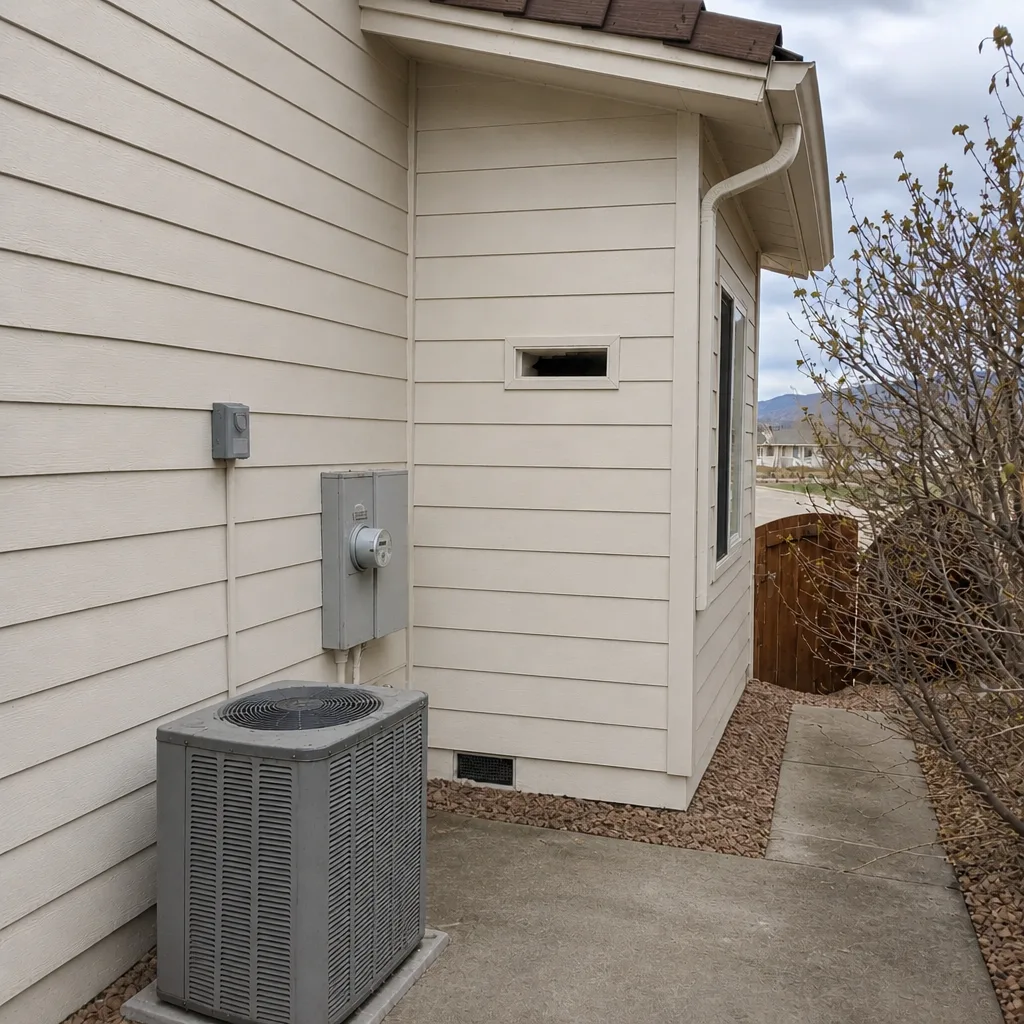 After
When to Call a Professional
Call a professional when the problem has moved past what a shop vac can see. If airflow has dropped, dust is visibly blowing from registers, there’s been a remodel, a pest issue, a moisture event, or a health concern, the work is now diagnostic and not cosmetic. In Paradise specifically, where attic ductwork takes a real beating from summer heat and dust loads stay high for most of the year, professional cleaning includes inspection and often repair that DIY can’t provide. Paradise Duct Cleaning offers free estimates in Paradise, along with our full inspection and cleaning scope, and we use professional-grade Rotobrush and Nikro systems with Abatement Technologies on-site filtration to capture what we dislodge. Call (866) 330-2124 to schedule. We answer 24/7. Fast dispatch from 7am to 7pm, Sunday through Friday.
Frequently Asked Questions
Yes, at the surface level. You can wash grilles, vacuum the return plenum with a HEPA shop vac, change filters, and do a flashlight inspection. What a homeowner can’t do without professional equipment is clean the interior of supply and return ductwork, clear turns and branch runs, or spot and repair compromised flex duct in a hot attic. Think of DIY as maintenance, not cleaning.
We price per system, not per vent, and the written estimate before work starts is the final price. That removes the bait-and-switch problem the industry is known for. Our estimates are free, so call (866) 330-2124 for an exact quote on your home.
More often than the general every-few-years guidance suggests. Paradise’s dust load is high and cooling season is long, so ducts load up faster than in milder climates. Most homes here benefit from professional cleaning on a shorter interval, with DIY maintenance between visits to extend the clean baseline.
Usually because the low price covers less than you think: a surface vacuum, no negative pressure, no air filtration, no repair inspection, and a price that expands once the technician arrives. Ask for a per-system written price before work starts, ask what equipment will be used, and ask how you’ll see proof the work was done. We take before-and-after photos of your own ducts for exactly that reason. Call (866) 330-2124 for a straight quote.
Ask for before-and-after photos of your system, and ask what containment equipment the crew uses. When we clean a system, we document what was there, we clean under negative pressure with on-site Abatement Technologies air filtration, and we send you photos of the same duct runs afterward so you can compare. No photos, no proof.
Yes, and it’s a separate service for a separate reason. Air duct cleaning addresses the HVAC distribution system; dryer vent cleaning addresses the lint run behind the dryer, which is a documented fire risk in residential homes. Cleaning the surface lint off the outdoor flap does not clean the interior of the run. Our Paradise team treats dryer vent cleaning as its own safety service, not an add-on after air duct work.
The Bottom Line
DIY air duct maintenance is legitimate: wash the grilles, change the filters, vacuum the return plenum, and inspect with a flashlight. Do it twice a year, more often with pets or a remodel. But a shop vac and a brush kit reach only a fraction of what a professional system reaches, and in Paradise’s climate that unreached fraction is where the dust, the airflow problems, and the damaged flex duct actually live. The right answer for most homes here is a professional cleaning on a realistic interval, with DIY maintenance between visits to keep the clean baseline longer. If you’re not sure which side of the line your home is on, a free estimate settles it quickly.
If you’re ready to have your system looked at by technicians with up to 11 years of experience using professional Rotobrush and Nikro equipment, with Abatement Technologies filtration on-site, call (866) 330-2124. We answer 24/7. Fast dispatch from 7am to 7pm, Sunday through Friday. Estimates are free, the price is per system and agreed before work starts, and you’ll get before-and-after photos of your own ducts. Whether you go DIY between visits or book the full service now, we’re here when the work crosses the line into professional territory. Paradise Duct Cleaning connects Paradise homeowners with independent local professionals who perform the work.
Written by the team at Paradise Duct Cleaning.