
Last updated November 15, 2026
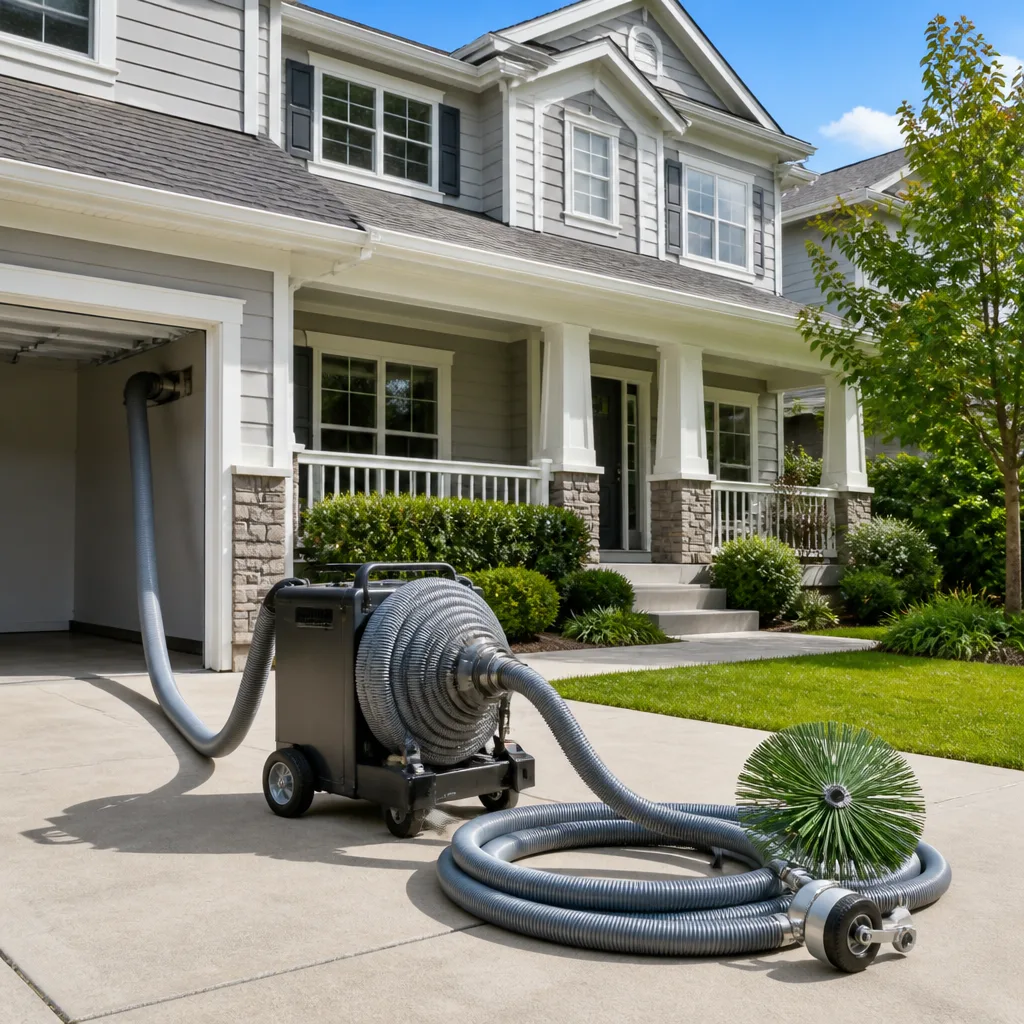 Whole-home duct cleaning
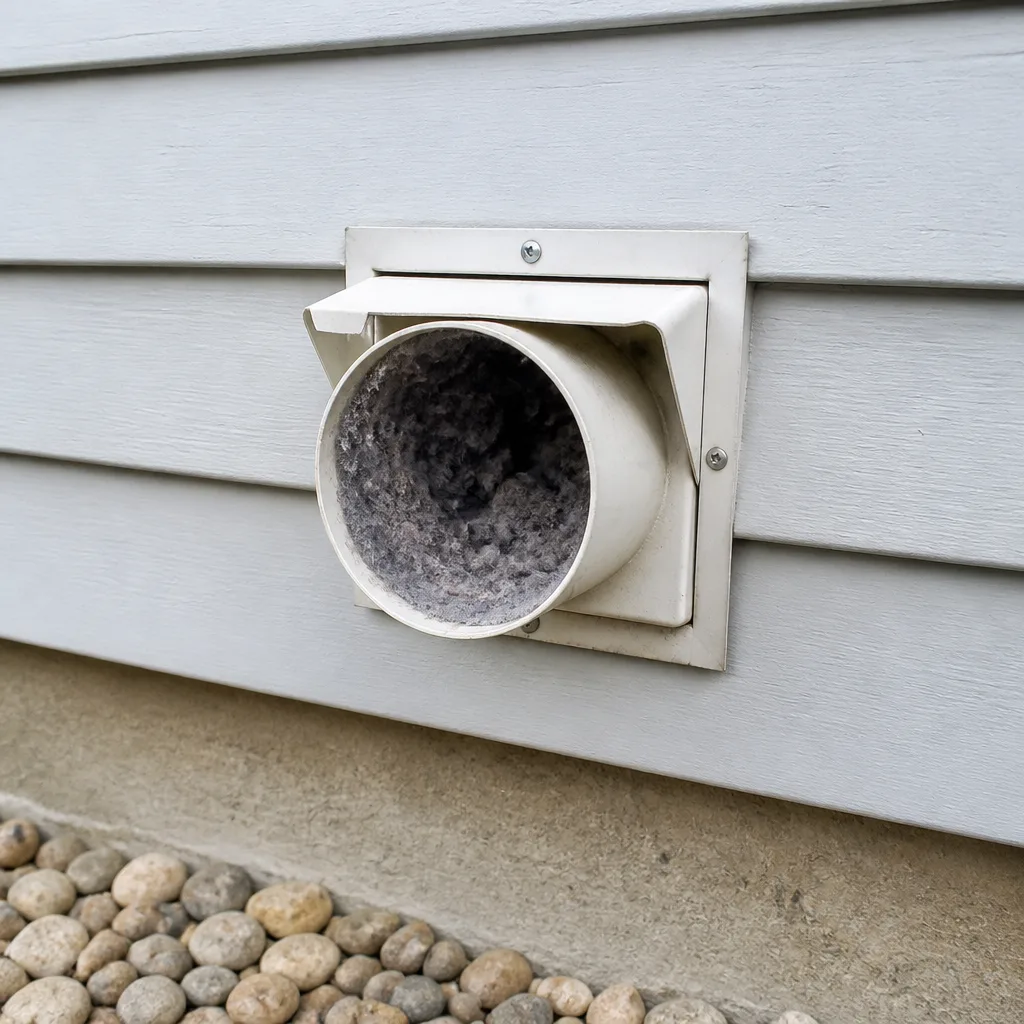 Dryer vent cleaning
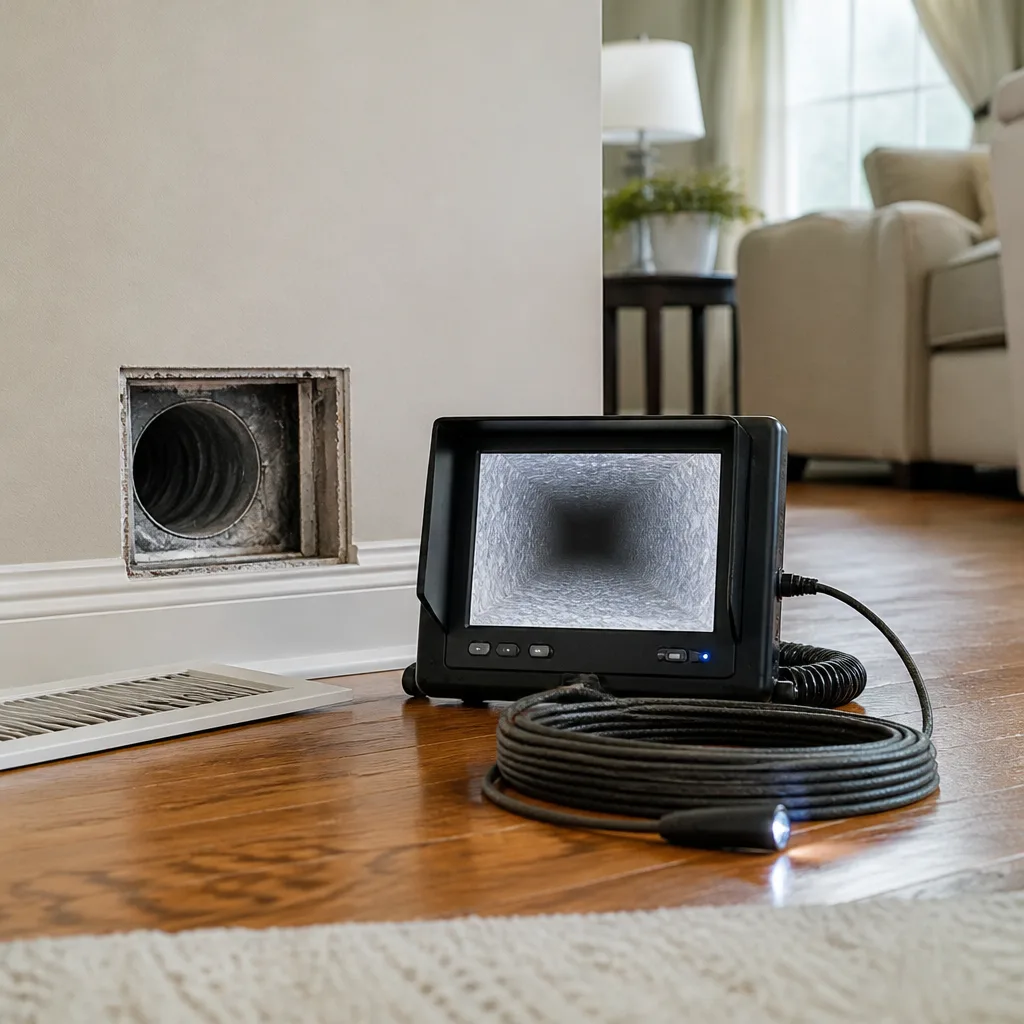 Camera inspection
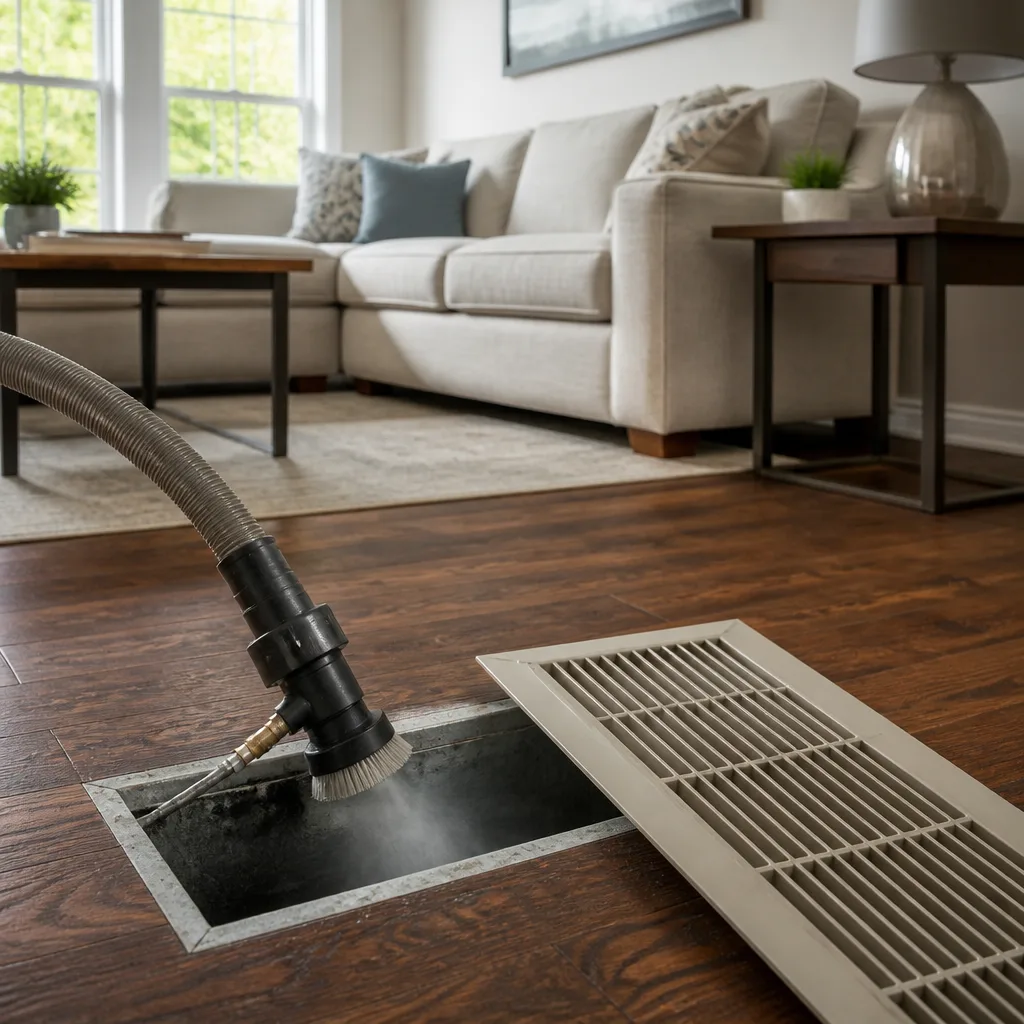 Sanitizing & deodorizing
Whole-system duct and dryer vent check with before-and-after photos - you see exactly what came out of your vents
That "$99 whole-house special" is a bait ad - the real number appears once they are in your hallway, or the "clean" is a shop-vac at the register. We photograph the inside of your ducts before and after instead.
Choosing the Right Air Duct Cleaning Brand: A Buyer’s Guide for Paradise
If a duct cleaning company can’t tell you the brand, model, and CFM rating of their vacuum system, that silence is the most informative thing they’ve communicated about the quality of their work. Most homeowners shop this service on price alone, because nobody ever taught them what the equipment actually does. That’s the gap this guide closes. By the end, you’ll know the four equipment categories that separate a professional operation from a truck with a shop vacuum, the questions that expose the difference in one phone call, and how to read the answers you get. This is the guide we wish every Paradise homeowner had before booking.
Quick Answer
The right air duct cleaning brand in Paradise is the one that names its equipment, not just its price. A legitimate operation runs a truck-mounted vacuum system, a rotary brush or compressed-air tool for agitating debris, and some form of filtration to capture what gets loosened. If a company can’t identify its vacuum brand, model, or airflow rating, book someone else.
Styles & brands we work with
- Whole-home duct cleaning
- Dryer vent cleaning
- Camera inspection
- Sanitizing & deodorizing
Table of Contents
- Why Equipment Is the Best Predictor of Cleaning Quality
- The Four Equipment Categories That Actually Matter
- Truck-Mounted vs. Portable Units: What CFM Really Means
- Inspection Cameras, HEPA Filtration, and UV Sanitation
- The Questions to Ask Before You Book
- How to Read Confident Answers vs. Evasive Ones
- What Equipment Investment Signals About a Company
- Why Air Duct Repair Capability Separates Brands
Why Equipment Is the Best Predictor of Cleaning Quality
Air duct cleaning has a bait-and-switch reputation for a reason. A low advertised price can turn into a much larger invoice once the technician is on site, and the work itself can be little more than a surface wipe while the real debris stays put. The variable that predicts which experience you’ll get isn’t the marketing copy or the review count. It’s the equipment.
Here’s why. Loose dust in a duct doesn’t sit still. The moment you agitate it with a brush or air whip, it goes airborne, and whatever system you’re running has to capture it before it settles back into the supply runs or drifts into the living space. A consumer-grade vacuum simply doesn’t move enough air to do that. A professional platform does. The gap between the two isn’t a matter of degree; it’s the difference between a job that’s actually done and one that just looks done.
This matters more in Paradise than in a lot of places. Our desert climate loads ductwork with fine dust and grit that gets pulled in through the return side and coats the interior of the system. In a house that runs its HVAC hard through the hot months, that layer builds fast. Agitating it without capturing it doesn’t clean anything. It just relocates the problem.
Our technicians have up to 11 years of experience, and the single most common observation across that time is this: homeowners who ask about equipment before booking almost never get surprised by the invoice afterward. The questions themselves filter out the operations that can’t answer them. In our experience, the conversation about tools is the conversation about trust. When a company connects you to independent local professionals, that equipment question becomes the clearest screen you have.
The Four Equipment Categories That Actually Matter
You don’t need to become an HVAC technician to evaluate a duct cleaning company. You need to know that four equipment categories exist and that a serious operation can speak to each one. Here’s the breakdown.
1. Truck-Mounted Vacuum Systems
The vacuum is the heart of the operation. Truck-mounted systems pull far more air than portable units and hold a negative pressure on the duct system while work happens, which keeps loosened debris moving toward the collection point instead of into your rooms. Name-brand benchmarks exist here, and a company should know which system it runs.
2. Rotary Brush and Compressed-Air Tools
The vacuum only captures what’s loose. Rotary brush systems and compressed-air whips are what break the bonded layer free from the duct walls. These tools have to match the duct material. A brush that’s too aggressive on flex duct can damage the liner, which is why the operator’s familiarity with the tool matters as much as the tool itself.
3. Inspection Cameras
You can’t verify what you can’t see. Video inspection capability lets a technician document conditions inside the duct before and after the work. In our view, before-and-after photos of your own ducts should be standard on every job, not an optional extra.
4. Air Filtration Equipment
Filtration captures what the vacuum doesn’t. We deploy Abatement Technologies air filtration units on site specifically to capture dislodged contaminants rather than recirculating them into the home. This is the category most homeowners never think to ask about, and it’s the one that determines whether your indoor air is better or worse during the job itself.
When you’re comparing air duct cleaning quotes, run each company through these four categories. A brand that can discuss all four with specifics is operating a professional-grade setup. One that can’t is guessing.
Truck-Mounted vs. Portable Units: What CFM Really Means
CFM stands for cubic feet per minute. It’s the measure of how much air a vacuum system moves, and it’s the single number that most cleanly distinguishes a truck-mounted platform from a portable unit. A portable unit runs off a standard outlet and moves a fraction of the air. A truck-mounted system generates the airflow needed to maintain negative pressure across an entire residential duct network at once.
Why does that matter in a large Paradise home?
- Distance. Desert homes often run long duct spans to reach far rooms. Airflow drops as distance increases, so a weaker system loses capture power at the far end of the run.
- Volume. More ductwork means more air to move. A portable unit working a large system is like trying to drain a pool with a garden hose.
- Negative pressure. Truck-mounted systems pull the whole system under negative pressure while work happens. That’s what keeps dust heading toward the collection point instead of out of your registers.
- Continuous operation. A truck-mounted platform runs steadily through the job without the duty-cycle limits of a portable motor.
The systems we run are Rotobrush and Nikro platforms, which are the same class of equipment used by certified HVAC and restoration contractors. That’s not a marketing line; it’s a statement about what the equipment is built to do. When you ask a Paradise company about its CFM rating and get a blank response, you’ve learned that the question has never been put to them before.
For a homeowner considering dryer vent cleaning, the same logic applies. Airflow capacity determines whether lint and debris actually leave the vent or just get stirred around inside it. Your dryer vent is a fire risk. We treat it like one.
Inspection Cameras, HEPA Filtration, and UV Sanitation
Beyond the core vacuum and agitation equipment, three add-on technologies are worth asking about. Each one tells you something about how thorough a company intends to be.
Video Inspection
A camera on a flexible reel lets the technician see conditions inside the duct, document what’s there, and show you the result afterward. Ask whether inspection is included in the estimate or whether it’s an extra. Either answer is fine. No inspection capability at all is not.
HEPA Filtration on the Vacuum System
HEPA filtration traps fine particles that would otherwise pass through the vacuum’s exhaust. On a job where you’re deliberately disturbing years of accumulated dust, the exhaust side matters as much as the intake side. We pair our vacuum systems with Abatement Technologies filtration to make sure what comes loose doesn’t end up in the air you’re breathing.
UV Sanitation Equipment
Ultraviolet systems are used to treat microbial growth on coils and in duct surfaces. Not every job needs it, and we won’t oversell it. But a company that’s familiar with the broader indoor air quality ecosystem, including Honeywell and Aprilaire product lines, is better positioned to advise you on whether it’s worth it for your home. That’s the difference between a single-service mindset and a full-air-quality one. From the duct to the air you breathe, the whole system connects.
The Questions to Ask Before You Book
Here’s the practical part. These are the questions to ask on the phone before you schedule anything. The answers themselves are less important than the confidence and specificity with which they’re delivered.
- “What vacuum system do you use, and what’s its CFM rating?” You want a brand name and a number. A truck-mounted system should be identifiable.
- “Is it truck-mounted or portable?” Both are legitimate tools for some jobs, but a large home needs truck-mounted capacity. Ask which one you’ll get.
- “How do you agitate the debris? Rotary brush, air whip, both?” The answer should mention matching the tool to your duct material.
- “Do you run HEPA filtration or an air scrubber during the job?” This tells you whether they’re capturing or recirculating.
- “Will I get before-and-after photos of my own ducts?” A yes here says the company stands behind the work and expects to be checked.
- “Can you repair damaged ductwork, or do you only clean?” Cleaning and repair are different capabilities. Many companies only clean.
- “Is the estimate free, and is the price flat per system or per vent?” One flat price per system, agreed before work starts, is the answer you want.
Run those seven questions past three companies and the field narrows quickly. A Paradise company that connects you to independent local professionals should be able to handle every one of them without hesitating.
How to Read Confident Answers vs. Evasive Ones
Most homeowners don’t know the technical answers themselves, and that’s fine. You don’t need to. What you’re reading for is specificity. Here’s what the two sides of the conversation sound like.
- Confident: “We run a Rotobrush system, truck-mounted, and we pair it with an air scrubber for capture.” Evasive: “We use the best equipment available.”
- Confident: “We’ll take photos before and after so you can see the difference yourself.” Evasive: “We can send someone out to look at it first.”
- Confident: “It’s one flat price per system, and we’ll put it in writing before any work starts.” Evasive: “It depends on a lot of factors, but it’s very affordable.”
- Confident: “We can repair damaged duct sections, not just clean them.” Evasive: “We can refer you to someone if there’s damage.”
- Confident: “Our technicians have up to 11 years of experience.” Evasive: “We’ve been doing this a long time.”
Evasive answers aren’t always dishonest. Sometimes the person on the other end simply doesn’t know. But a company that can’t describe its own equipment in concrete terms is a company whose operations you can’t verify. That’s the risk you’re trying to avoid.
What Equipment Investment Signals About a Company
Equipment is expensive. A truck-mounted vacuum system, rotary brush tooling, inspection cameras, and air filtration gear represent a real capital investment, and a company that has made it has made a deliberate choice. That choice sends a signal, and the signal is this: we’ve decided to compete on quality rather than on being the cheapest quote in the market.
Why does that matter? Because the economics of doing a thorough job are different from the economics of doing a fast one. A company with professional-grade equipment expects the job to take the time it takes. A company running consumer-grade tools has to move quickly to make the numbers work, and that pressure shows up in the work itself. Professional-grade equipment, not shop-vac shortcuts, is the difference.
In the Paradise market, that distinction is especially worth watching because the demand is steady and the barrier to entry is low. Anyone can put a company name on a magnetic sign. Not anyone can justify the cost of a Rotobrush or Nikro system, an Abatement Technologies filtration unit, and the tooling to handle different duct materials correctly.
You should also look at how a company handles the finishing end of the work. Guardsman-grade protective standards reflect the materials and finishing processes used, and that’s the kind of detail that shows up when a company treats the inside of your home as a part of the job site. We also want you thinking about the Paradise housing stock itself, because duct layouts vary from home to home and the equipment has to be matched to what’s actually in your walls.
Why Air Duct Repair Capability Separates Brands
Here’s a question most homeowners never think to ask: what happens if the inspection turns up damaged ductwork? It’s more common than people expect. Flex duct can tear. Joints come apart. Seams that were taped in place years ago may not be doing their job anymore. A compromised duct run wastes energy and undermines everything the cleaning was supposed to accomplish.
Many duct cleaning companies can only clean. If the inspection reveals damage, they’ll refer you out, which means a separate appointment with a separate company and no single point of accountability for the work. Paradise Duct Cleaning offers duct repair as a dedicated service alongside the cleaning, which means the same visit can address the whole picture. Clean ducts. Fixed ducts. Healthy air.
That scope matters when you’re evaluating brands, because a company with repair capability has to understand the system, not just the cleaning tools. That broader knowledge is also useful when it comes to advising you on things like whether your return-side design is working or whether the brand of HVAC equipment you have leaves room for improvement.
Common Mistakes to Avoid
- Booking on price alone. The cheapest quote in Paradise isn’t the best deal; it’s often the tip of an invoice that grows once the technician is in your home. Ask what’s included before you schedule, and get it in writing.
- Not asking what equipment will be on the truck. A lot of homeowners never ask this, which means the answer doesn’t have to exist. Ask brand, model, and CFM, and treat silence as an answer.
- Accepting a per-vent quote. Per-vent pricing creates an incentive to rush each vent and push volume. One flat price per system, agreed upfront, is the fairer arrangement.
- Skipping the inspection before-and-after request. If a company can’t or won’t show you photos of your own ducts, you have no way to verify the work was done. This is one of the easiest protections available to a homeowner.
- Forgetting the dryer vent entirely. In a hot, dry desert climate, lint accumulation in a dryer vent is a real fire risk. It’s a separate component from the HVAC system and needs its own cleaning.
- Assuming cleaning will address structural damage. Cleaning a torn or disconnected duct run doesn’t fix it. Ask whether the company can repair what the inspection finds, or whether you’ll need a second appointment with someone else.
- Not confirming the estimate is free and the price is written. A verbal range sounds fine until it becomes a different number on the invoice. The written estimate should set the final price before any work begins.
See the difference
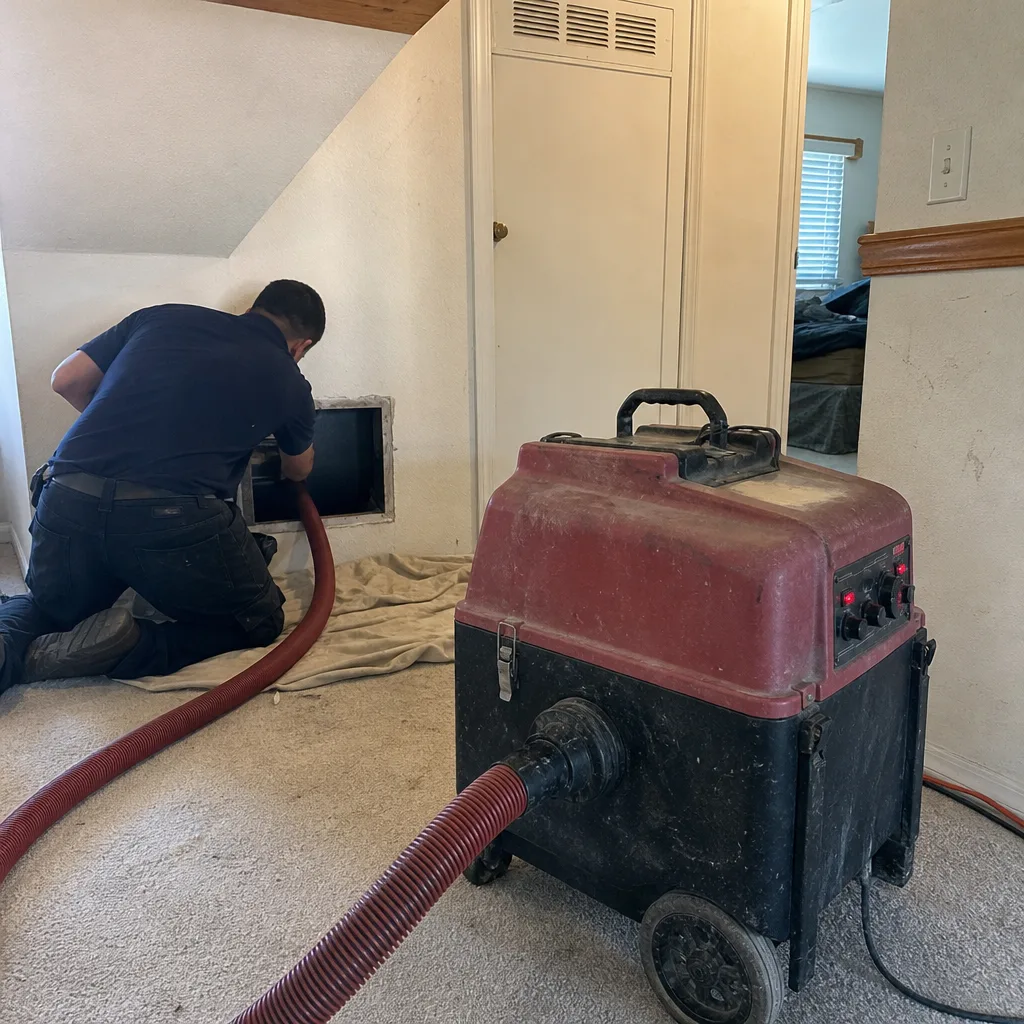 Before
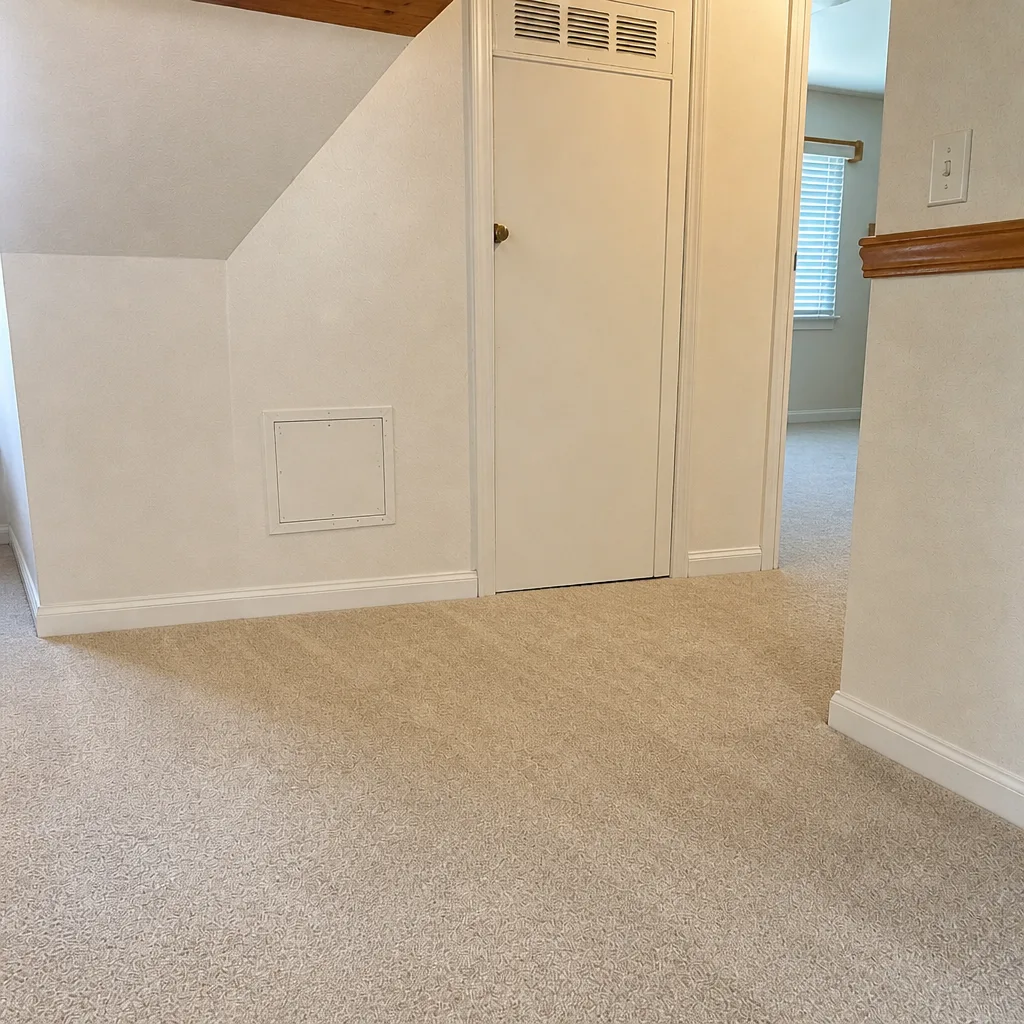 After
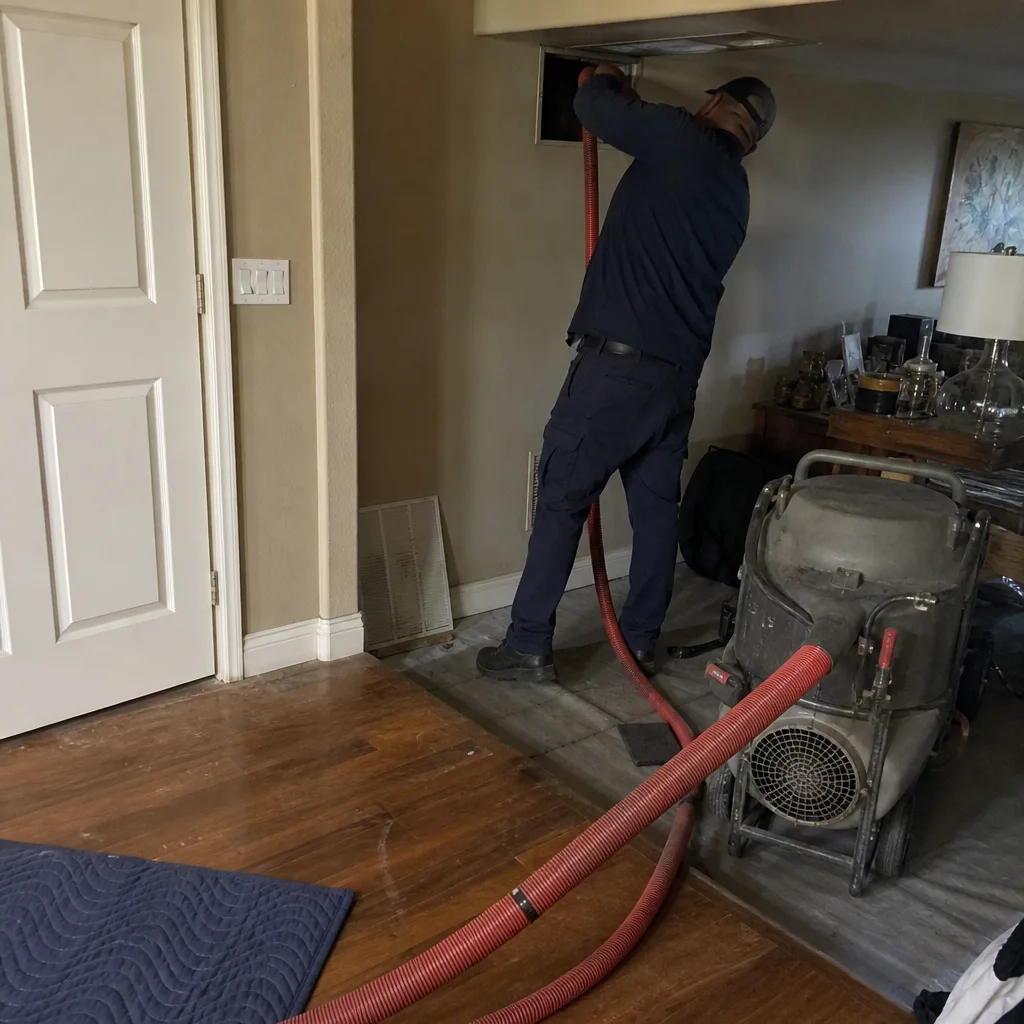 Before
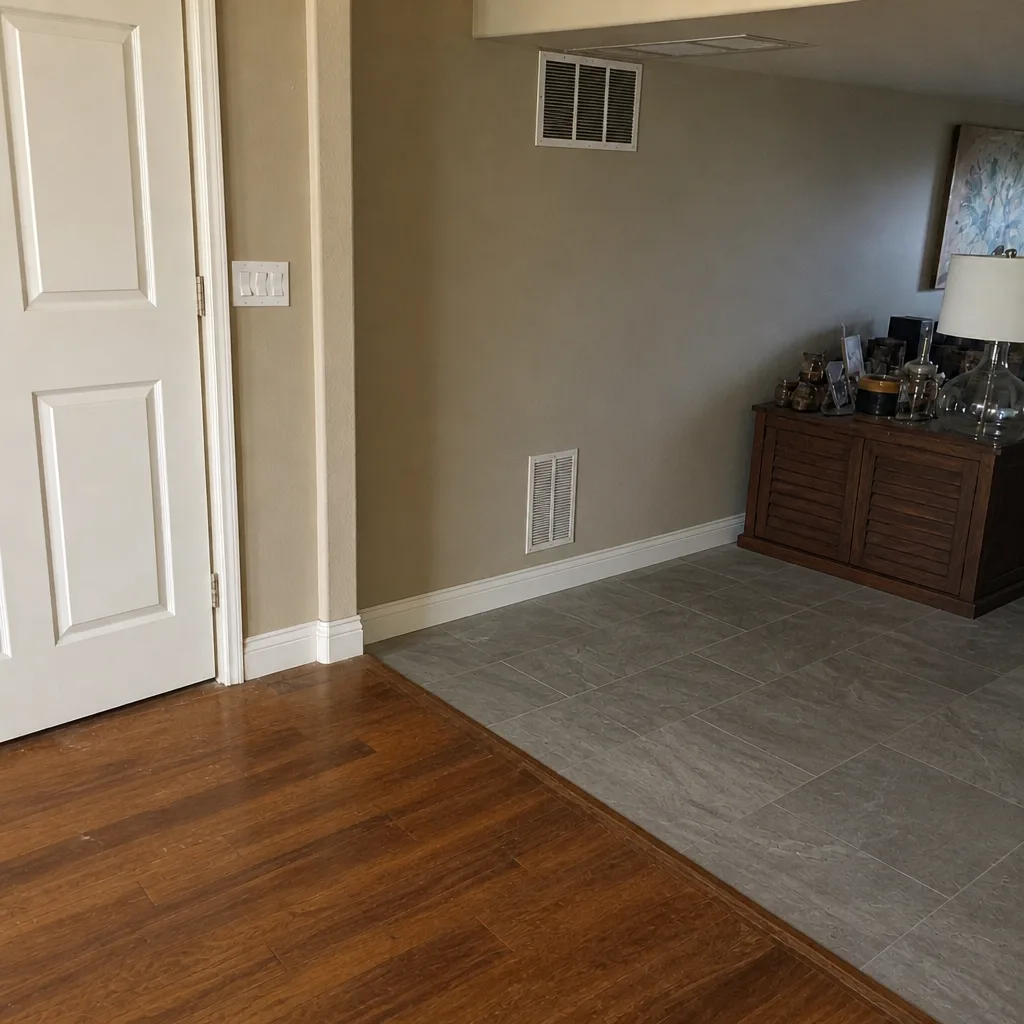 After
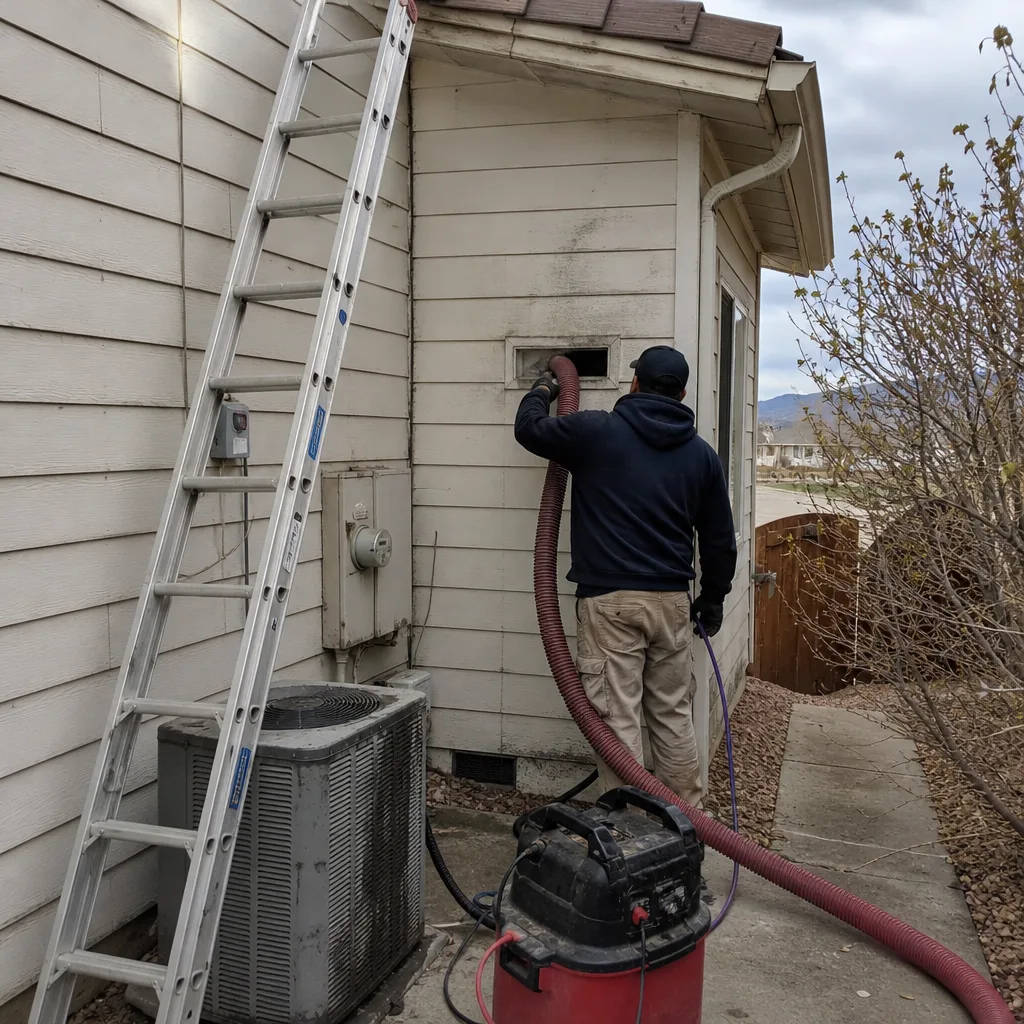 Before
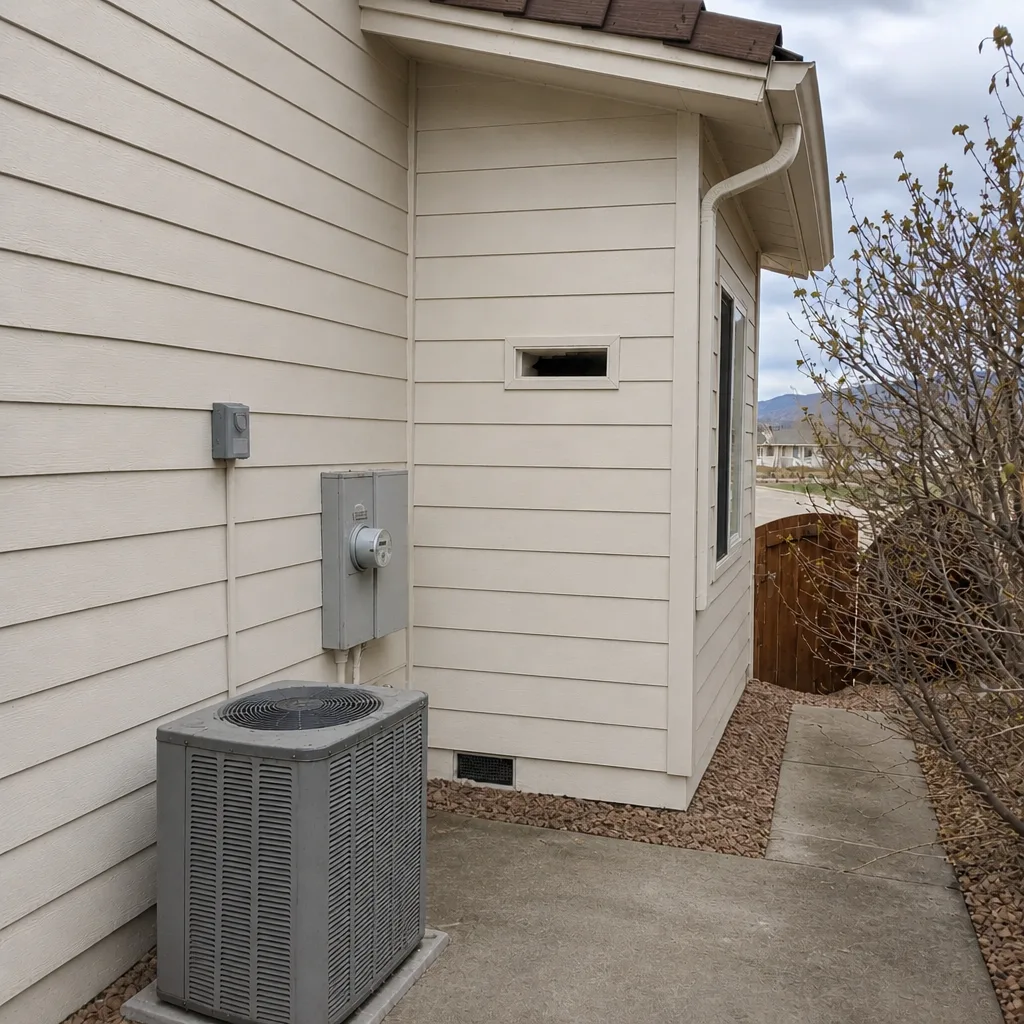 After
When to Call a Professional
You should call a professional when you notice visible dust blowing from the supply registers after the HVAC has been running, when you can see a buildup inside the return grilles, or when the system has sat through a long stretch of desert dust season without attention. A recent renovation or a room-by-room remodel is another clear trigger, since fine construction dust travels through the whole system. So is a musty smell that returns after the filter is replaced. If your dryer is taking longer than it used to, schedule dryer vent cleaning as its own appointment rather than treating it as an afterthought. Paradise Duct Cleaning offers free estimates in Paradise. Call (866) 330-2124. We answer 24/7. Fast dispatch from 7am to 7pm, Sunday through Friday.
Frequently Asked Questions
Ask what vacuum system they use and what its CFM rating is. You want a brand name and a number. A truck-mounted system moves far more air than a portable unit, and that airflow capacity is the single best predictor of whether debris gets captured or recirculated. A company that can’t answer is one to skip.
You want the equivalent capability. Rotobrush and Nikro are commonly used by certified HVAC and restoration contractors, and those platforms are built for the airflow and agitation needed to do a genuine cleaning job rather than a surface pass. When you’re comparing quotes in Paradise, ask which platform you’ll get and whether it’s truck-mounted.
Because the job deliberately disturbs accumulated dust, and the exhaust side of the vacuum needs to trap what’s been loosened. We deploy Abatement Technologies air filtration on site to capture dislodged contaminants rather than recirculating them. Without that capture, a cleaning can leave your indoor air worse than it was before the technician arrived.
Ask for before-and-after photos of your own ducts, and confirm an inspection camera will be used. Visual documentation is the verification step. A company that does the work thoroughly is comfortable being checked. One that can’t show you the result hasn’t given you any way to confirm the cleaning happened as promised.
A flat price per system, agreed in writing before work starts. Per-vent pricing rewards speed, and speed is the wrong incentive for a job that depends on thorough agitation and capture. When you get a written estimate, confirm it sets the final price and isn’t a range that can float upward on the day.
Not every company can. Many only clean and will refer you out if the inspection finds a torn liner, a separated joint, or a compromised run. Paradise Duct Cleaning offers air duct repair as a dedicated service, so the cleaning and the repair can be handled together rather than split across two companies.
It does shape what builds up. Fine desert dust and grit get pulled into the return side of the system, and a home that runs its HVAC hard through the hot months will accumulate that layer quickly. That’s why asking about agitation and airflow capacity matters here. Call (866) 330-2124 for an exact quote – estimates are free.
Familiarity with the broader ecosystem, including Honeywell and Aprilaire product lines, signals that a company understands how the duct system connects to the air you actually breathe. That doesn’t mean you need every product. It means the company can advise you on whether a given option is worth it for your home rather than defaulting to a single-service pitch.
The Bottom Line
The equipment a duct cleaning company uses tells you how the job will actually go. Truck-mounted vacuum systems, rotary brush and compressed-air tooling, inspection cameras, and air filtration are the four categories that separate a professional operation from a truck with a shop vacuum. Ask about them by name, and you’ll get specific answers from the brands worth booking and vague ones from the rest. If you want to skip the guesswork, reach out to Paradise Duct Cleaning for a free estimate. Our technicians have up to 11 years of experience, and we use professional-grade Rotobrush, Nikro, and Abatement Technologies equipment on every job. Call (866) 330-2124. We answer 24/7. Fast dispatch from 7am to 7pm, Sunday through Friday.
Written by the team at Paradise Duct Cleaning.