
Last updated November 15, 2026
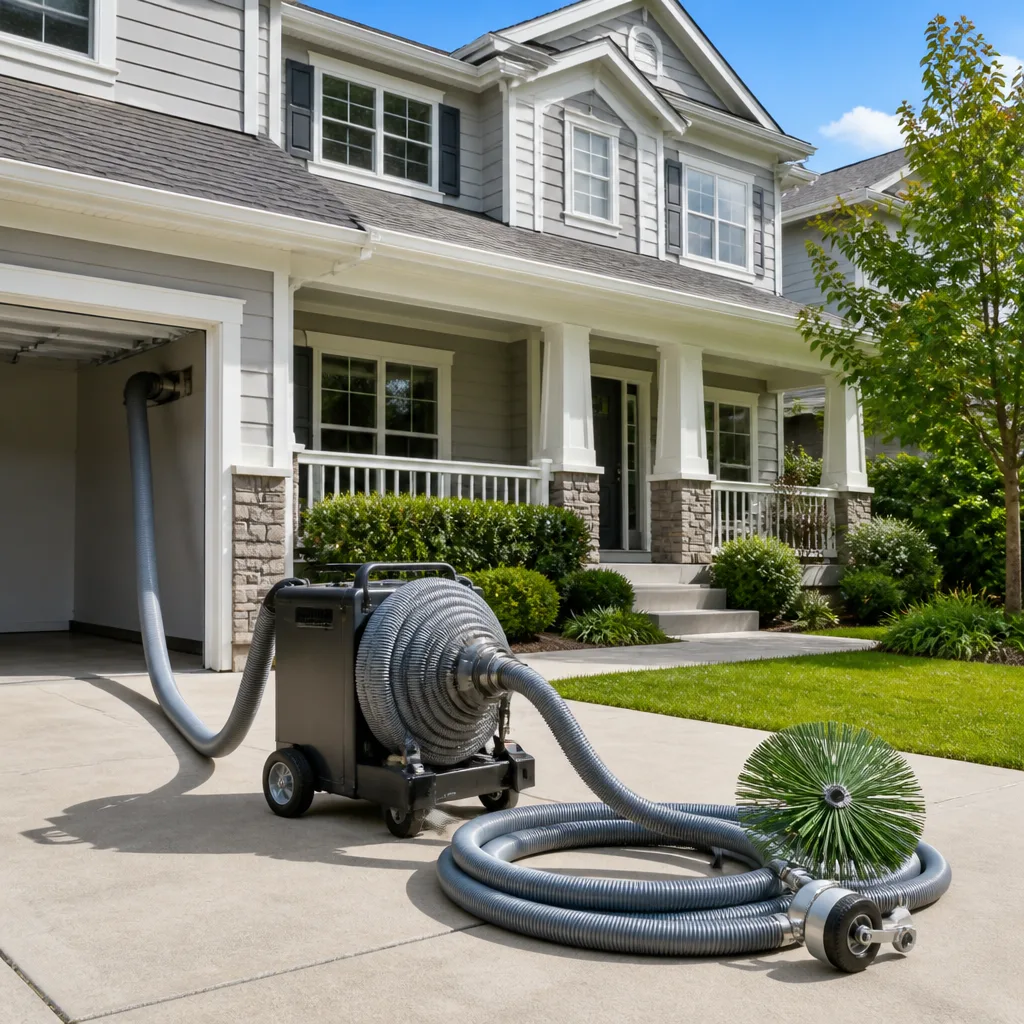 Whole-home duct cleaning
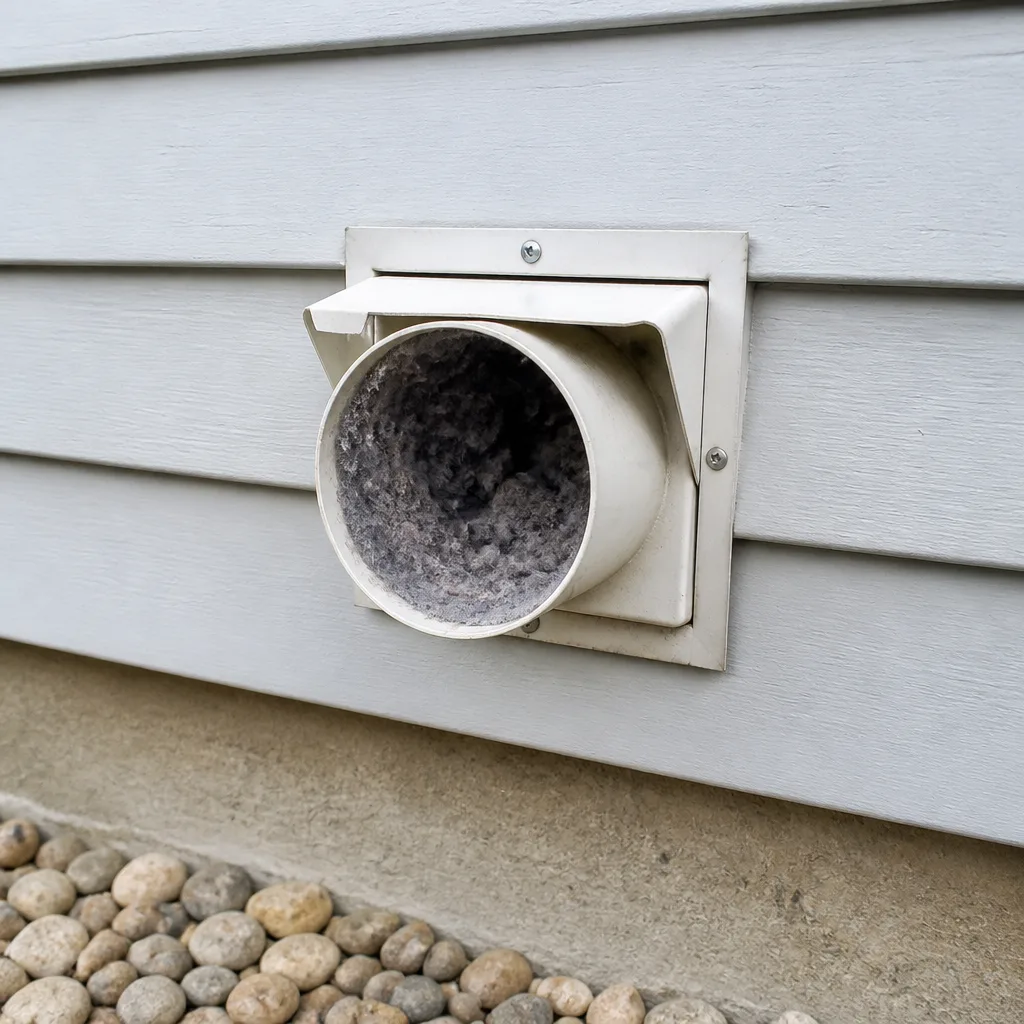 Dryer vent cleaning
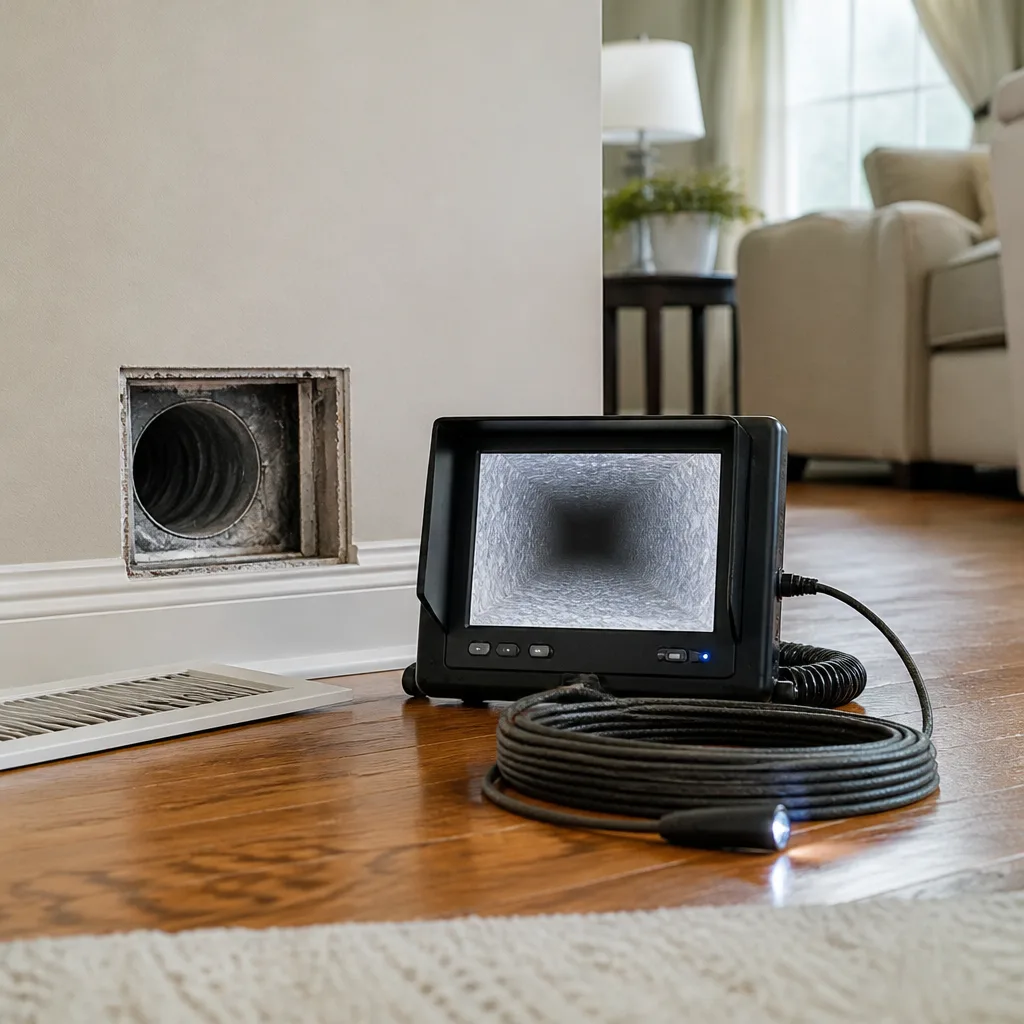 Camera inspection
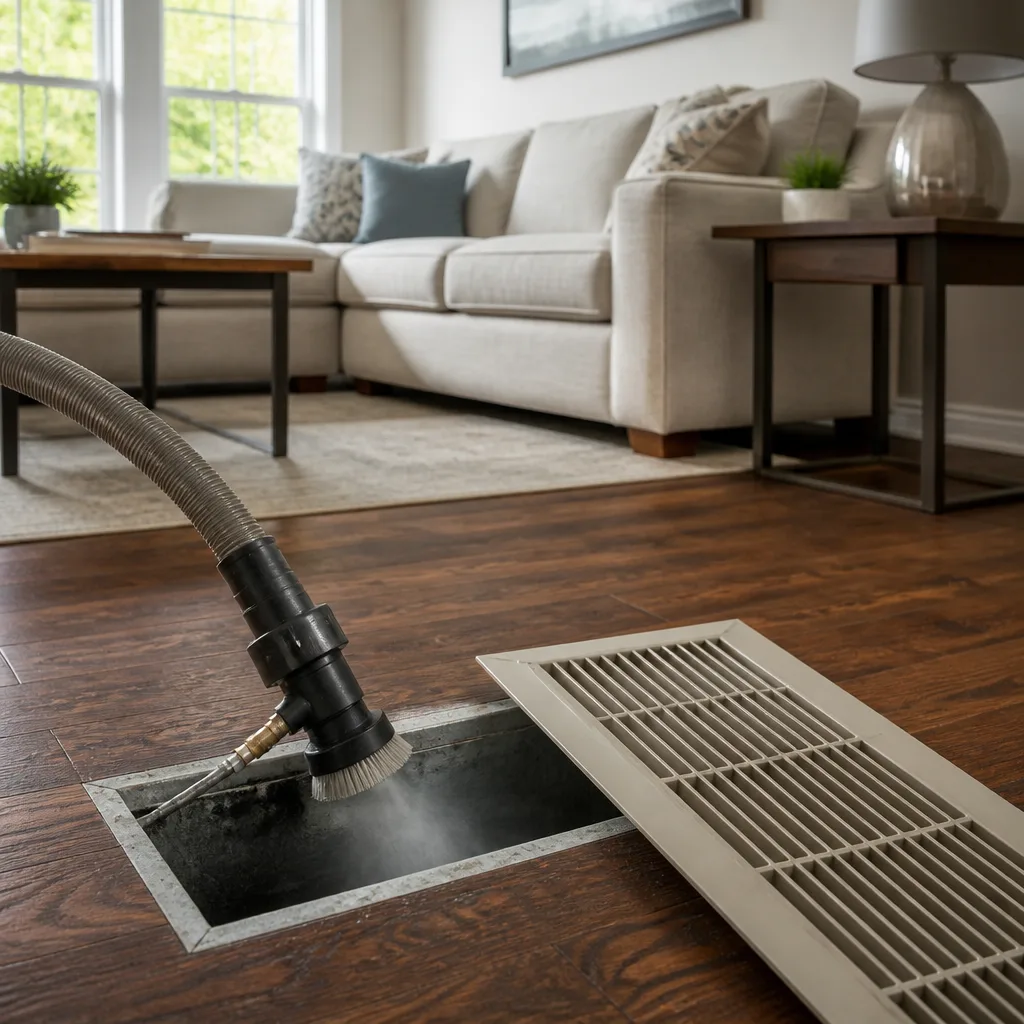 Sanitizing & deodorizing
Whole-system duct and dryer vent check with before-and-after photos - you see exactly what came out of your vents
That "$99 whole-house special" is a bait ad - the real number appears once they are in your hallway, or the "clean" is a shop-vac at the register. We photograph the inside of your ducts before and after instead.
Seasonal Air Duct Cleaning Care for Paradise: Year-Round Homeowner’s Guide
The national advice you’ll find online assumes a home with four roughly equal seasons. Paradise doesn’t have that. We have a long, punishing summer where the air conditioner runs almost without pause, a dust storm window that can coat a neighborhood in grit in an afternoon, a short monsoon stretch that pushes humidity into places it rarely reaches, and winters mild enough that you’ll open the windows in January. Each of those puts a different kind of stress on your duct system, and each calls for a different response. Winterizing tips written for a freezing climate miss the point here the same way a “spring cleaning” schedule does. What follows is a rolling twelve-month plan built around how Paradise actually behaves, so you know when to clean, when to inspect, and when to fix.
Quick Answer
For most Paradise homes, the most useful single move is a full-system air duct cleaning in late spring, before the cooling season loads up the system, paired with a dust-storm check after any major haboob and a repair-and-seal inspection in the mild winter months. That rhythm matches the climate instead of fighting it. If you only do one thing, clean before summer, not after it.
Styles & brands we work with
- Whole-home duct cleaning
- Dryer vent cleaning
- Camera inspection
- Sanitizing & deodorizing
Table of Contents
- Why Paradise Needs Its Own Seasonal Calendar
- Pre-Summer Preparation: April and May
- Monsoon Response: July Through September
- Haboob Aftermath Protocol
- The Winter Efficiency Window: November Through February
- Building Your Rolling 12-Month Service Plan
- Common Mistakes to Avoid
- When to Call a Professional
Why Paradise Needs Its Own Seasonal Calendar
Most duct-cleaning advice is written somewhere with a real winter. It tells you to clean in fall before you button the house up, and to check things in spring when the snow melts. In Paradise that schedule is backwards. Our cooling season is the long, hard run, and the air conditioner is what moves air through your ducts for months on end. The system that works hardest is the one that collects the most, and it does that work in summer.
The seasons that actually matter here look like this:
- Heat load (roughly May through September). The AC runs constantly, pulling air through the return and pushing it through supply runs. Allergens, dust, and debris settle in the ductwork while the system is at full stretch.
- The dust storm window (late spring through summer). Fine desert dust finds its way into returns, attics, and any gap in the duct envelope. A single big storm can undo months of cleanliness.
- The monsoon period (July through September). Humidity spikes unexpectedly. That’s the narrow window when moisture inside ductwork becomes a real concern.
- The mild window (November through February). The system is mostly idle. This is when you repair, seal, and replace, because nobody wants the AC offline in July.
When you line those four up, the logic of the year gets clear. Clean before the heat, react to the dust, watch for moisture during the monsoon, and use the winter calm to fix what’s broken. That’s the frame this whole guide hangs on, and it’s the one we build around at Paradise Duct Cleaning.
Pre-Summer Preparation: April and May
April and May are the last quiet weeks before the cooling season takes over, and they’re the best window you’ll get to clean your ducts before the hot months. Getting the ductwork cleaned in this stretch means a fresh start going into the season when the system runs hardest and when the air it moves matters most.
Here’s what pre-summer preparation looks like when it’s done properly:
- Clean the full system, not just the visible vents. A real cleaning covers the supply and return runs, the registers, the boots, and the air handler. If a provider only cleans what you can see, dust in the runs gets pulled straight back into the house the first time the fan kicks on.
- Capture the debris, don’t recirculate it. Loosening dust without capturing it just moves the problem into the living room. We run Abatement Technologies air filtration equipment during jobs so what comes out of the ducts gets trapped, not blown around your house.
- Inspect while the system is open. Cleaning is the moment to look for disconnected runs, crushed flex duct, torn insulation, and gaps at the seams. All of those let hot attic air and dust into the system. If we find a problem, we can repair it while we’re there instead of leaving it for another company to handle later.
- Check your filter schedule. In a dusty climate, filters load up faster than the box suggests. Change or clean on a tighter interval going into summer and again in the middle of it.
We use professional-grade Rotobrush and Nikro systems for the cleaning itself, the same platforms certified HVAC and restoration contractors use, because consumer-grade vacuums don’t generate the air volume a whole-house duct system needs. The point of pre-summer work is efficiency too: a clean system with clear runs moves air with less strain, which matters when your AC is running almost nonstop. If you want the full scope explained, our air duct cleaning page walks through the process.
Monsoon Response: July Through September
Monsoon season is short, but it changes the risk profile inside your ductwork. Humidity rises fast, and any moisture that reaches cool duct surfaces in a dark attic space is exactly where trouble can begin. The window for concern is narrow, but it’s real, and most homeowners never think to look.
What to watch for during the humid stretch:
- Musty or earthy smells from registers when the system starts up. That’s a signal to inspect, not to wait.
- Condensation or dampness around registers, boots, or the air handler. Water where there shouldn’t be water is the first thing to track down.
- Visible staining or discoloration on duct insulation, especially in the attic runs where summer heat meets monsoon moisture.
- A sudden spike in allergy or sinus complaints after a humid stretch that clears up when the air dries out.
If you notice any of those, get the system inspected. A proper inspection looks at the condition of the duct interior, the insulation, and the air handler, and it tells you whether cleaning and drying is enough or whether damaged sections need repair. This is also where familiarity with the wider air-quality picture helps: we know the Honeywell and Aprilaire product lines, so when a moisture issue calls for better filtration or humidity control, we can advise on what fits rather than treating the duct as an island. The key point is timing. Address monsoon moisture while the season is happening, because a small damp problem left alone through a full summer gets worse, not better. For homeowners in Paradise dealing with that late-summer musty smell, this is the stretch of the calendar to act on it.
Haboob Aftermath Protocol
A haboob isn’t a regular dusty day. It’s a wall of desert dust that rolls through and coats everything, including the places you don’t see. After one passes, the fine grit that settles around your home can make its way into your returns, your attic, and any gap in the duct system. The question isn’t whether some dust got in. It’s whether enough got in to matter.
Here’s how to work through the aftermath:
- Change your air filter. This is the first and simplest step. A storm can load a filter in a single afternoon.
- Look at the returns and registers. Visible dust build-up around return grilles after a storm is a sign the system pulled grit in.
- Check for gaps and disconnected runs. If a duct connection came loose, or an attic run is leaking, a haboob pushes dust straight into the system through it.
- Watch how the house feels afterward. More dust settling on surfaces, a musty or dusty smell when the AC runs, or allergy flare-ups that start right after the storm are all reasons to get an inspection.
- Call for an inspection if the storm was severe. A heavy haboob in a home with older or damaged ductwork is worth a professional look rather than a guess.
A professional inspection after a big dust event checks the duct interior, looks for intrusion points, and confirms whether cleaning is warranted or whether you simply need a filter change and a check of the envelope. If the system has gaps, the right answer is repair plus cleaning, and Paradise Duct Cleaning handles both, so a loose run doesn’t just get cleaned and then collect dust all over again.
The Winter Efficiency Window: November Through February
Mild winters are a gift for duct maintenance. The system is mostly at rest, the attic isn’t a blast furnace, and nobody needs the AC running at full tilt. That makes November through February the right time to do the work that takes the system offline for a few hours: repairs, sealing, and in some cases duct replacement.
Here’s what belongs in the winter window:
- Seal the leaks. Gaps at seams, joints, and connections waste conditioned air and pull in attic dust. Sealing them is best done when the system is quiet.
- Repair damaged runs. Crushed flex duct, torn insulation, and disconnected sections should be fixed before summer, not during it. A repair done in January means the system is whole and breathing well by the time the heat arrives.
- Replace what’s past saving. Older ductwork that’s deteriorated or badly designed is better replaced in the calm months than patched under pressure in July.
- Plan the pre-summer cleaning. Use the winter to get on the calendar for an April or May cleaning so you’re not scrambling when the first hot week hits.
This is where full-service capability matters. A cleaning-only outfit can vacuum your ducts but can’t fix the leaking run it finds, so the problem survives the cleaning. Paradise Duct Cleaning offers air duct repair as a core service, which means sealing and replacement happen in the same visit rather than being referred out. Do the repair work in the mild months and you protect everything the pre-summer cleaning accomplishes. If winter is when you’re planning, this is also a good time to line up dryer vent cleaning, since the vent is a separate system and a serious fire risk worth handling on its own schedule.
Building Your Rolling 12-Month Service Plan
A rolling plan beats a fixed one because Paradise’s weather doesn’t arrive on a neat schedule. Dust storms and monsoon humidity shift year to year, so the plan should be a rhythm you return to, not a checklist you complete once. Here’s how to build it.
Start with a baseline. If you don’t know the condition of your ducts, get an inspection first. Everything else keys off what the system actually looks like.
Then set the year up like this:
- March: Review the plan, replace filters, and schedule the pre-summer cleaning.
- April and May: Full-system cleaning and inspection, repairs scheduled if anything is found.
- June through August: Change filters on a tighter interval, watch for dust after storms, and inspect after any major haboob.
- July through September: Watch for moisture signs during the monsoon and inspect if anything smells musty or feels damp.
- October: Post-summer check. If a big dust event hit, get an inspection.
- November through February: Do repairs, sealing, and replacement. Use the quiet months.
- All year: Handle dryer vent cleaning on its own cycle, since it’s a fire-safety service independent of your AC schedule.
That’s the rhythm. The specific months flex with the weather, but the order doesn’t: clean before heat, watch for dust and moisture during it, repair in the calm. If you want a single page to bookmark for the cleaning side, keep the Paradise Duct Cleaning home page handy and call when a step comes up.
What a Professional Cleaning Actually Involves
Knowing what a proper job looks like helps you judge quotes. A real whole-system cleaning is not a quick vacuum of the registers. It’s a process, and the equipment is what separates a thorough job from a cosmetic one.
- Negative pressure and controlled cleaning. Professional machines create suction through the system while agitation tools work the duct walls, so debris is loosened and then pulled out, not just stirred up.
- Capture during the job. Abatement Technologies air filtration runs on-site to trap what’s dislodged, which is the difference between cleaning your air and moving your dust.
- Professional-grade platforms. Rotobrush and Nikro systems are built for whole-house ductwork. Shop-vac shortcuts can’t move the air volume required.
- Inspection and repair. The best time to spot a disconnected run or torn insulation is during the cleaning. A full-service provider can fix it on the spot.
- Before-and-after photos. You should be able to see what was done. Ask for pictures of your own ducts, not stock images.
The same logic applies to the dryer vent. It’s a dedicated service at Paradise Duct Cleaning, treated as the fire-safety issue it is rather than an upsell tacked onto a duct cleaning. Lint buildup in a dryer vent is a leading cause of residential fires, and a mild winter is a fine time to have it cleared. The point across all of this is that “clean” should be provable. Equipment specificity and a full-service scope are how you get there.
See the difference
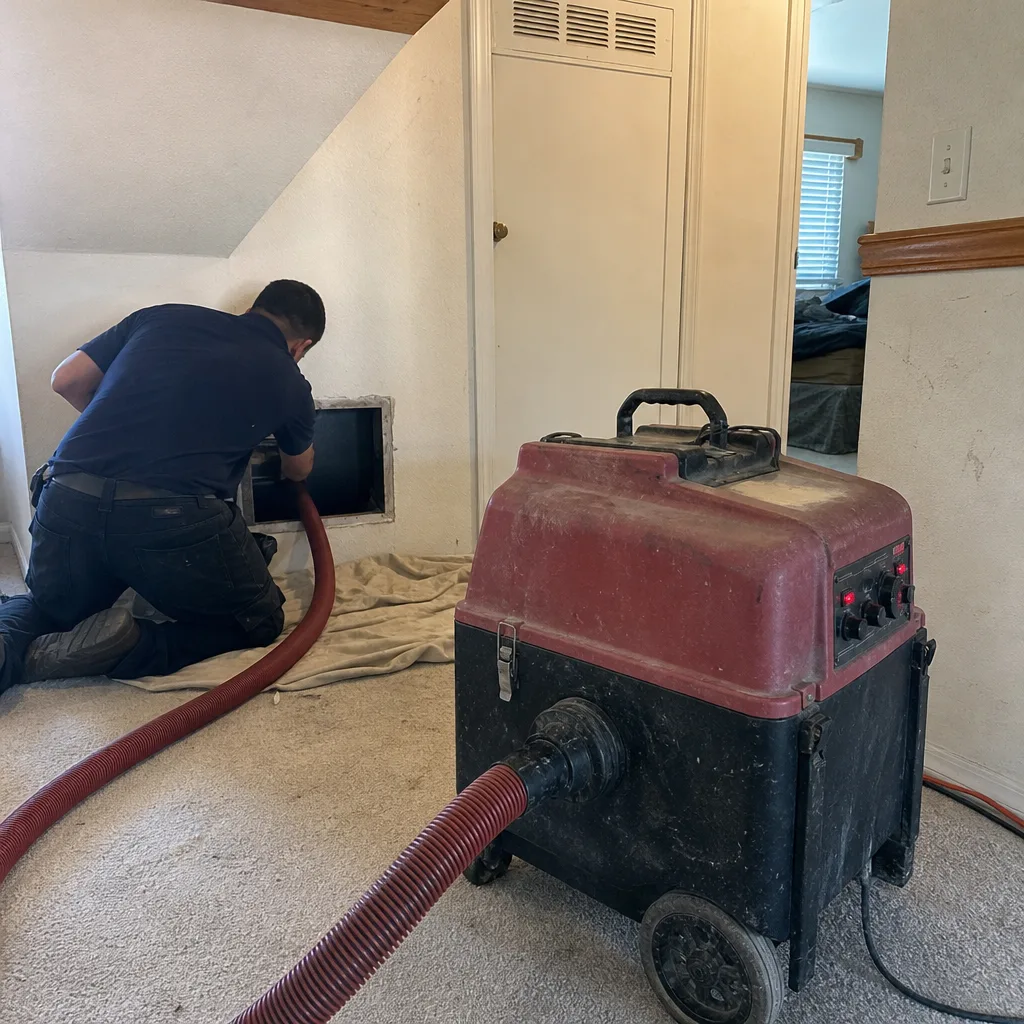 Before
 After
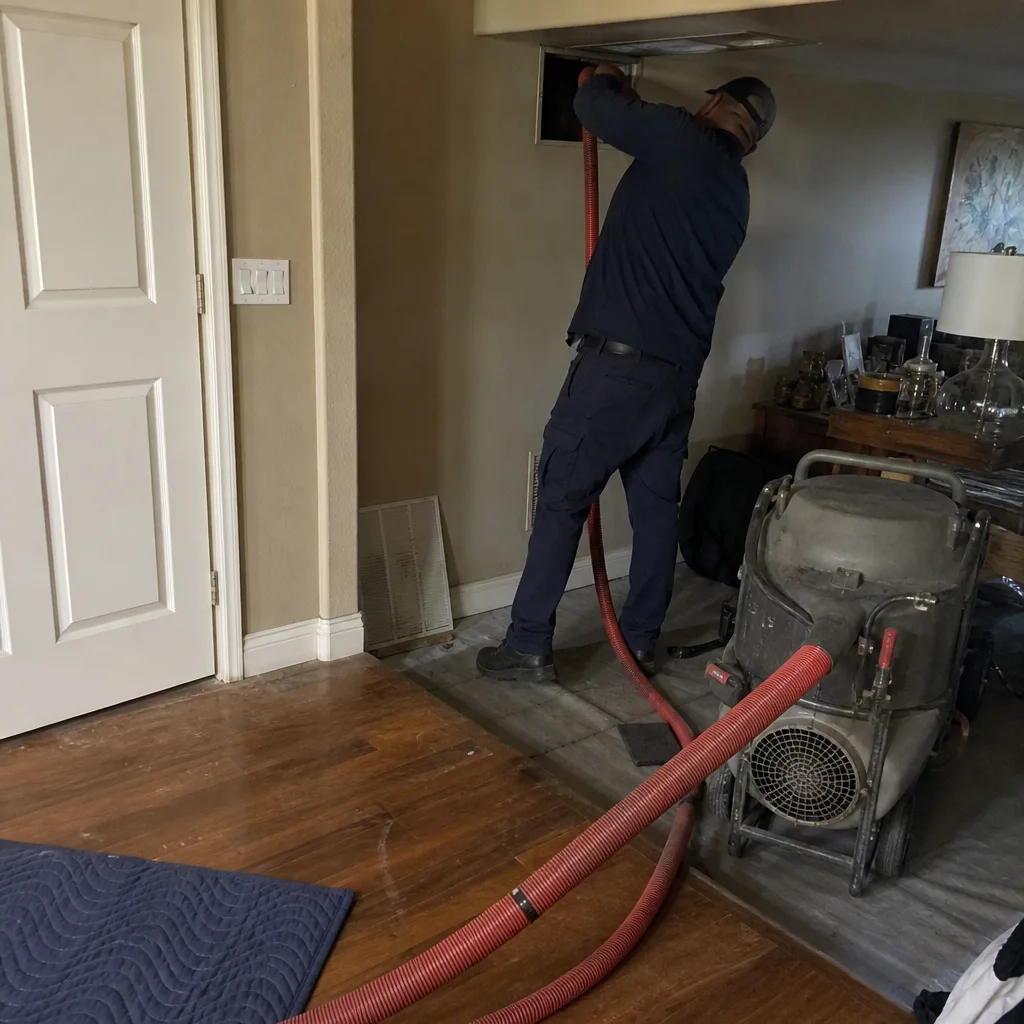 Before
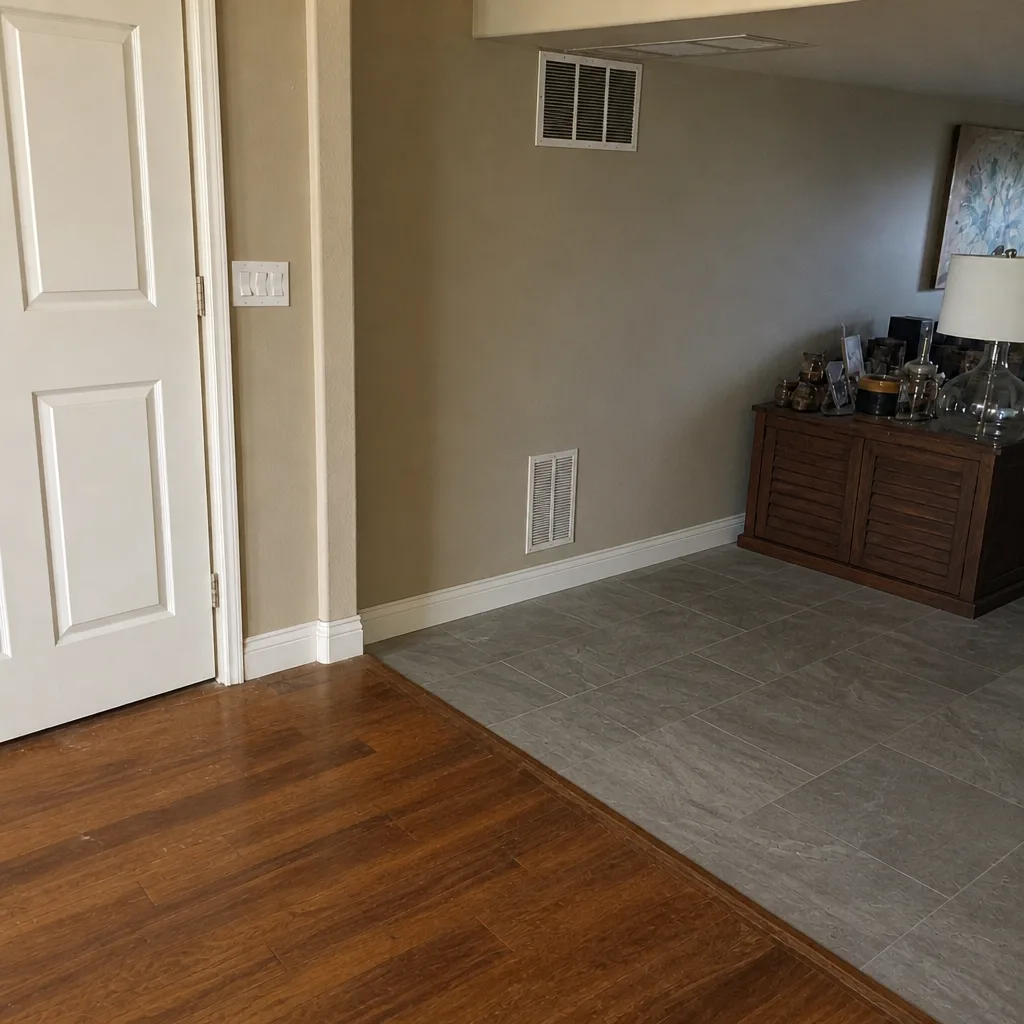 After
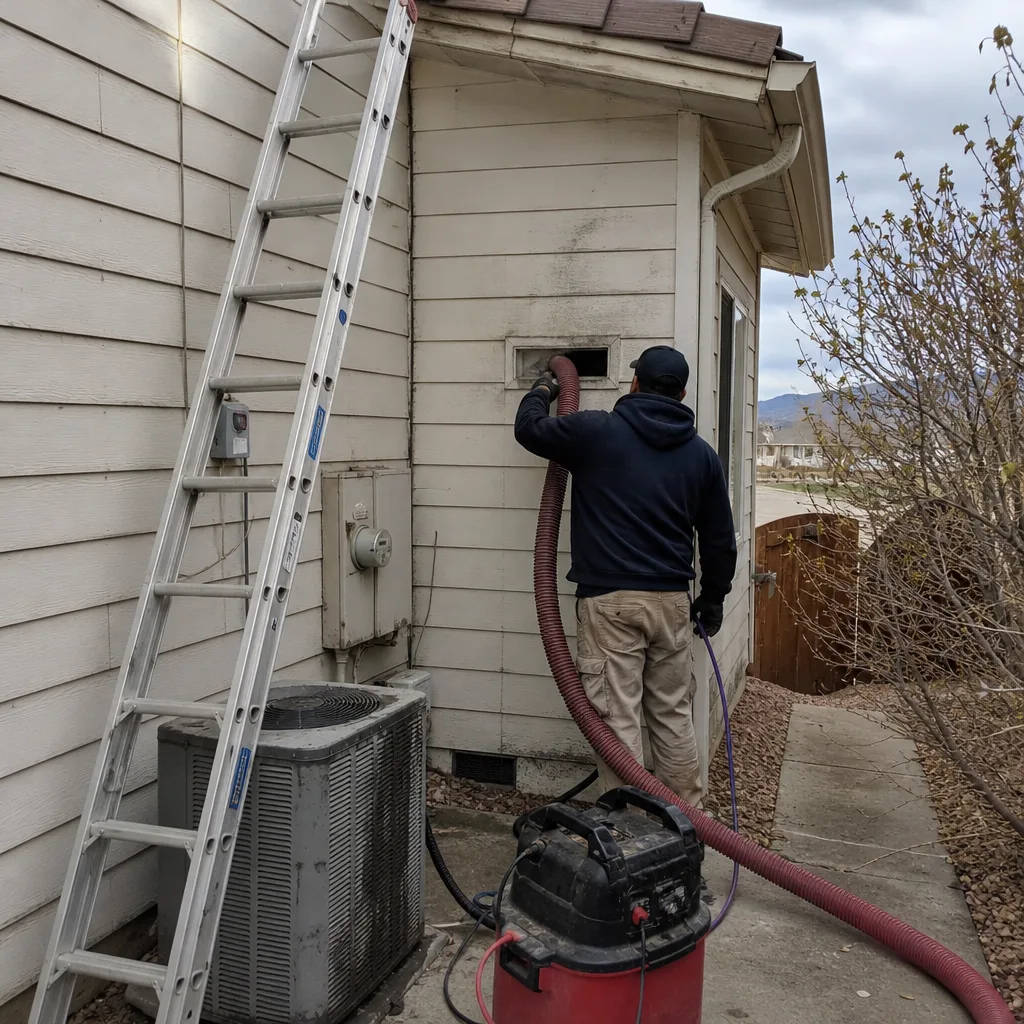 Before
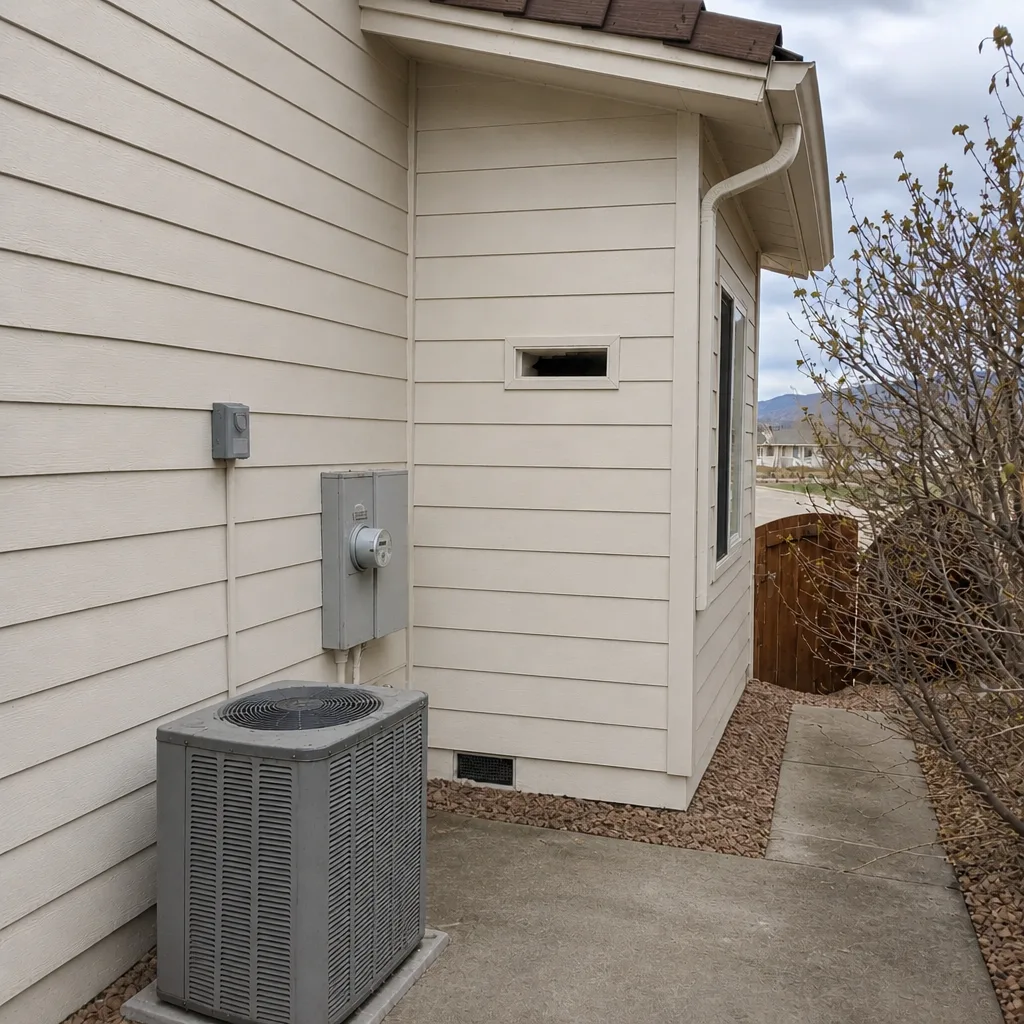 After
Common Mistakes to Avoid
- Cleaning after summer instead of before. The pre-summer window is when a cleaning does the most good. Doing it in October means the system ran its hardest months with the dust still in it.
- Ignoring the haboob. Treating a major dust storm like a normal dusty day leaves grit in the returns and attic. Do the filter change and get an inspection if the storm was severe.
- Missing the monsoon moisture window. A musty smell that shows up in July and fades in the dry air isn’t solved; it’s just quiet. Address dampness while the humid stretch is happening.
- Cleaning without checking for leaks. Vacuuming a system that has a disconnected run or torn insulation just means the dust comes back through the gap. Repair first or at the same time.
- Wasting the mild winter. Putting off a repair until summer forces the work into the busiest, hottest months. Use the calm stretch for sealing and replacement.
- Chasing the cheapest quote. A low coupon price that becomes a larger invoice once the technician is on-site is the industry’s oldest trick. A whole-system cleaning should be one flat price per system, agreed before work starts, with no per-vent pricing.
- Assuming national advice fits Paradise. Fall cleaning, snowmelt checks, and winterizing tips were written for a different climate. Match your schedule to the heat, the dust, and the monsoon, not to a generic calendar.
When to Call a Professional
Some homeowners check things themselves after a storm or change a filter on schedule, and that’s fine. But certain situations warrant a professional look. Call if you notice a musty smell from the registers that shows up in the humid months and won’t clear, or visible dust build-up around returns after a major haboob that a filter change doesn’t fix. Call if the system suddenly feels weaker, if you hear rattling or feel air leaking around duct connections, or if you see staining or dampness on attic ductwork. Call if a dryer vent hasn’t been cleared in a long stretch, since lint buildup is a genuine fire risk. And call before summer if you don’t know when your ducts were last cleaned, so the system goes into the season whole. Paradise Duct Cleaning offers free estimates in Paradise: call (866) 330-2124. We answer 24/7. Fast dispatch from 7am to 7pm, Sunday through Friday.
Frequently Asked Questions
For most homes, once a year on a pre-summer schedule is the right rhythm, with an extra inspection after any major dust storm. The annual cleaning handles the normal load the cooling season puts on the system, while the storm check catches the grit a haboob pushes in. Homes with pets, allergy concerns, or older ductwork may benefit from more frequent checks. Call (866) 330-2124 for an exact quote; estimates are free.
Late April or May is the best window, just before the cooling season loads the system. Cleaning then means the air that circulates through your home all summer starts from a clean system. The next-best option is the mild winter stretch, but the pre-summer timing pairs best with the climate. Call (866) 330-2124 for an exact quote.
Change your air filter first, then check the returns and registers for visible dust build-up. If the storm was severe, or if the house feels dustier afterward, get an inspection. A professional look confirms whether dust got into the runs and whether any gaps let it in. Call Paradise Duct Cleaning at (866) 330-2124 for an exact quote.
It can create the conditions for it, which is why the monsoon period is the narrow window to watch. Humidity that reaches cool duct surfaces in a dark attic is where moisture problems start. A musty smell during the humid months is the clearest sign to get an inspection. Call (866) 330-2124 for an exact quote; estimates are free.
Yes, and doing them together is better than doing them separately. If a run is disconnected or insulation is torn, cleaning first and repairing later just collects dust through the gap again. Doing both in one visit means the system is clean and whole at the same time. Call (866) 330-2124 for an exact quote.
A whole-system cleaning is priced per system, not per vent, and you get one flat price agreed before work starts. That’s the honest structure, and it’s why you should be wary of low coupon prices that grow once the technician is on-site. Ask for the flat whole-system price and before-and-after photos of your own ducts. Call (866) 330-2124 for an exact quote; estimates are free.
The Bottom Line
Paradise’s year doesn’t follow the national seasonal script, so your duct care shouldn’t either. The workable rhythm is clean before the heat in April and May, stay alert to dust and moisture through the summer, and use the mild winter to repair, seal, and replace. A rolling twelve-month plan built on that order keeps your system efficient going into summer, protects it from storm grit and monsoon dampness, and gets repairs done before they’re urgent. Equipment specifics and full-service scope are the difference between provable cleanliness and a promise. If your ducts haven’t been looked at this cycle, start with an inspection and build the plan from there. Call (866) 330-2124 for a free estimate. We answer 24/7. Fast dispatch from 7am to 7pm, Sunday through Friday.
Written by the team at Paradise Duct Cleaning.