
Last updated November 15, 2026
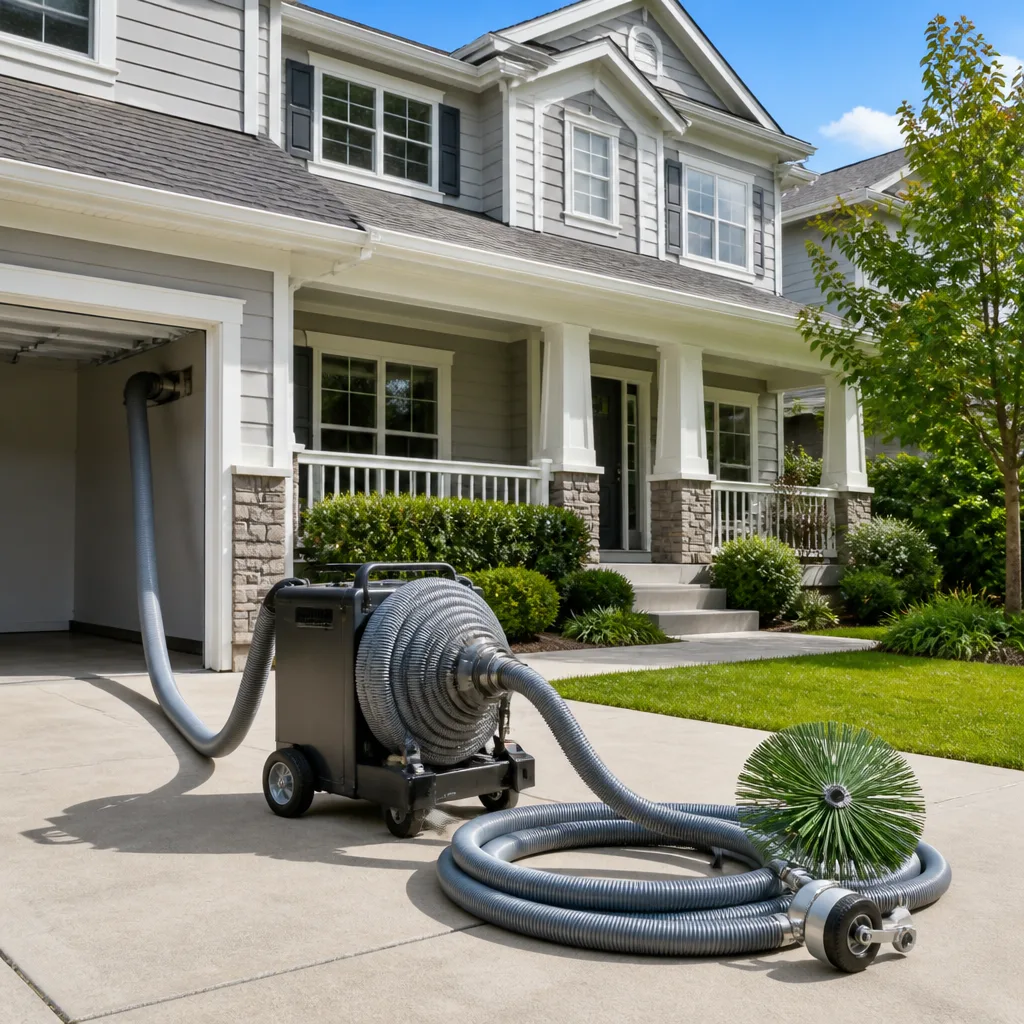 Whole-home duct cleaning
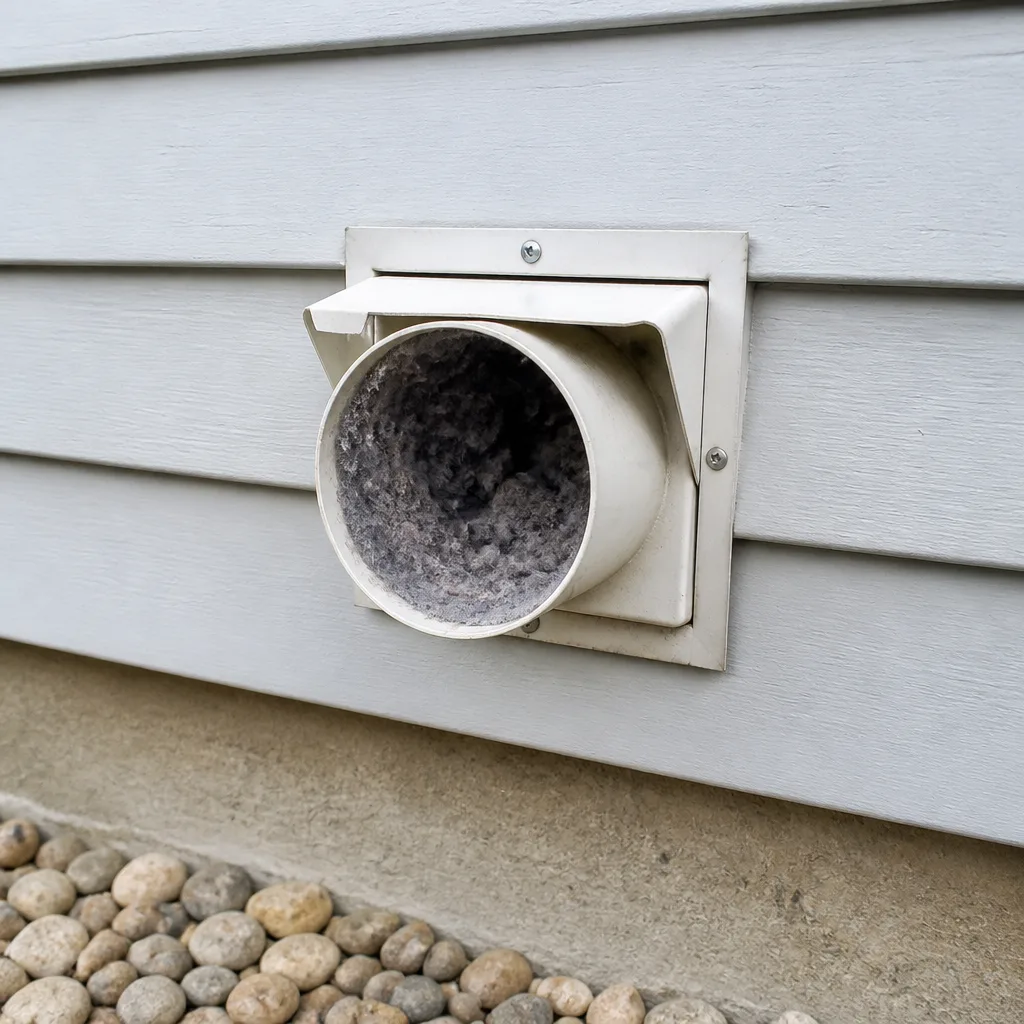 Dryer vent cleaning
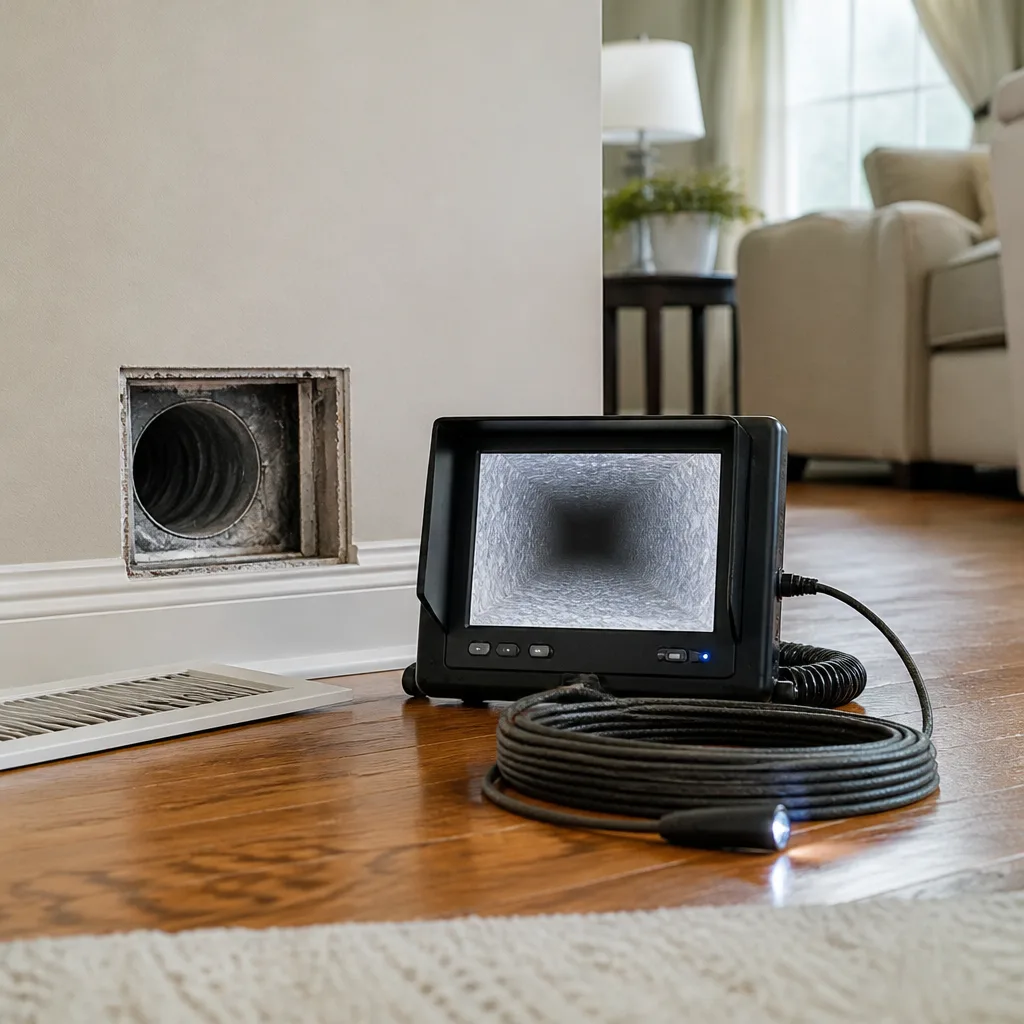 Camera inspection
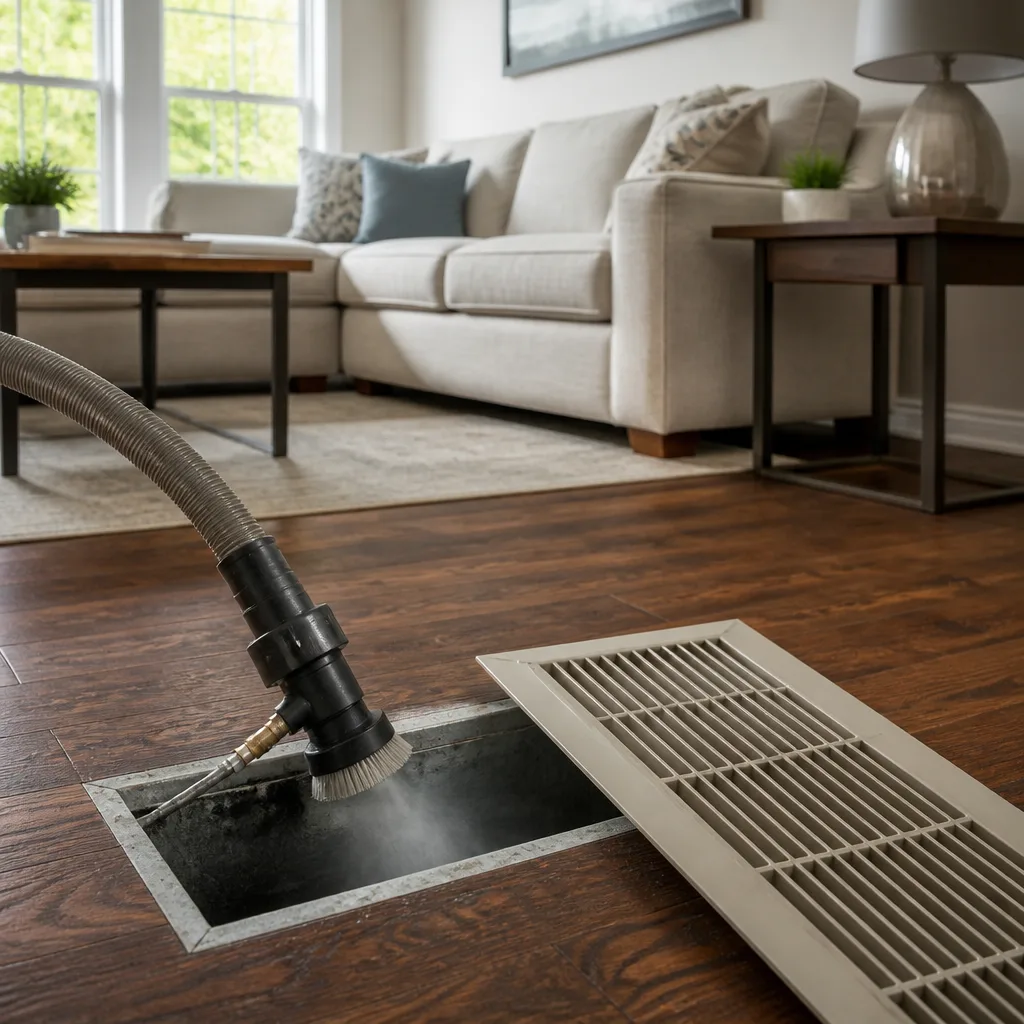 Sanitizing & deodorizing
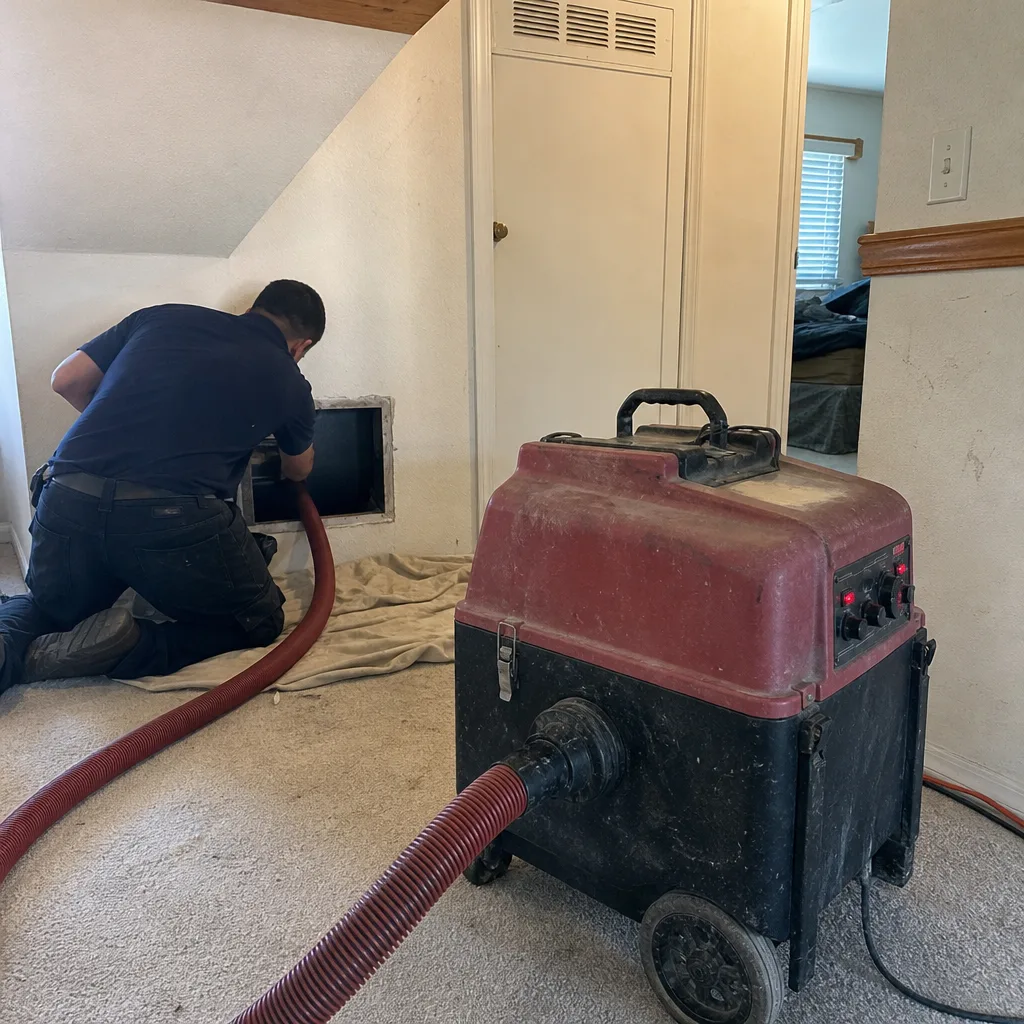
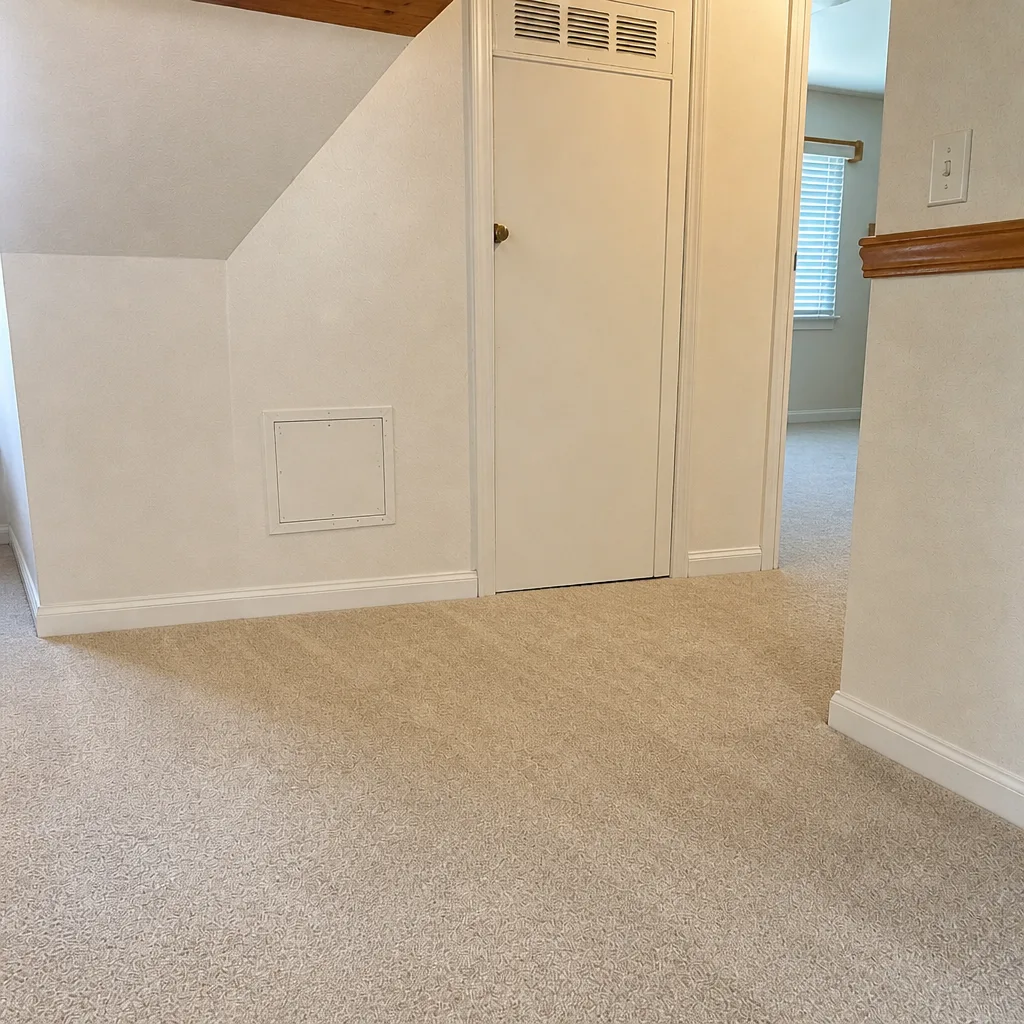
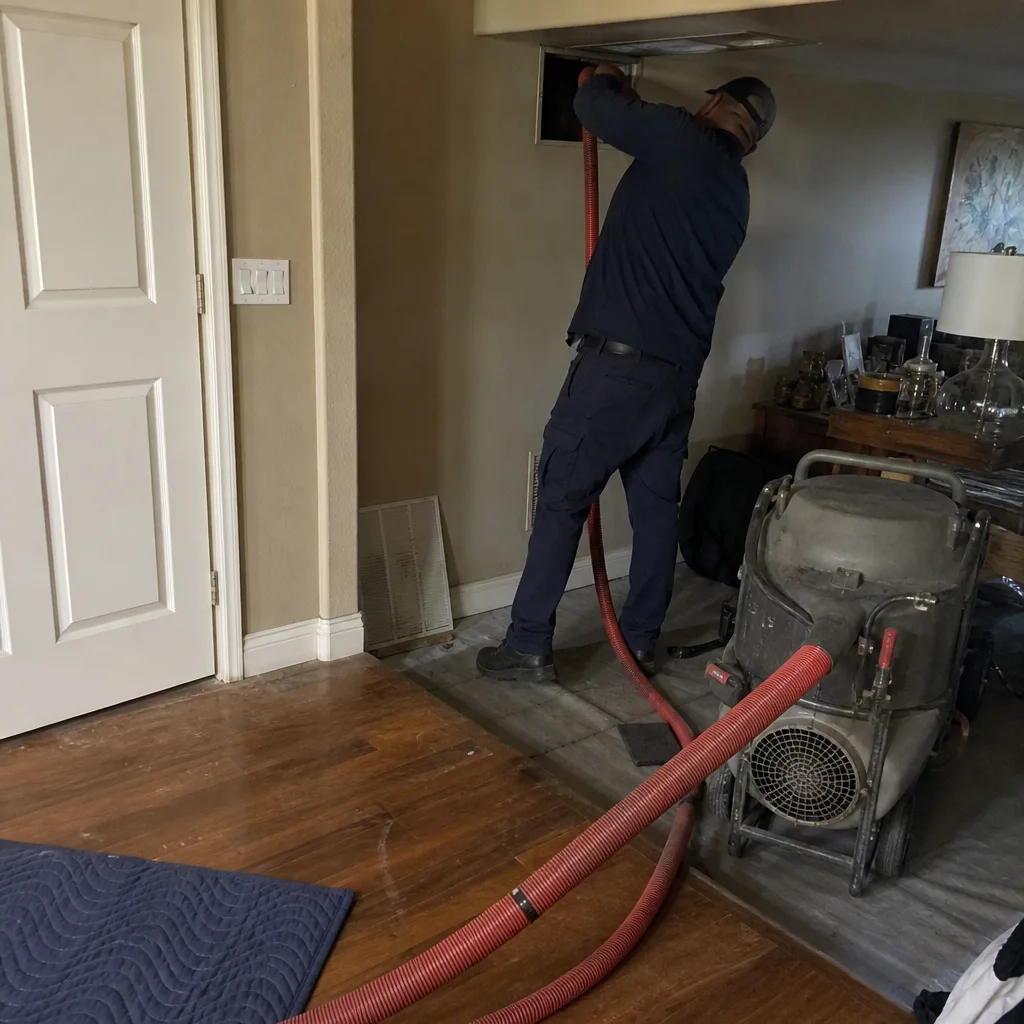
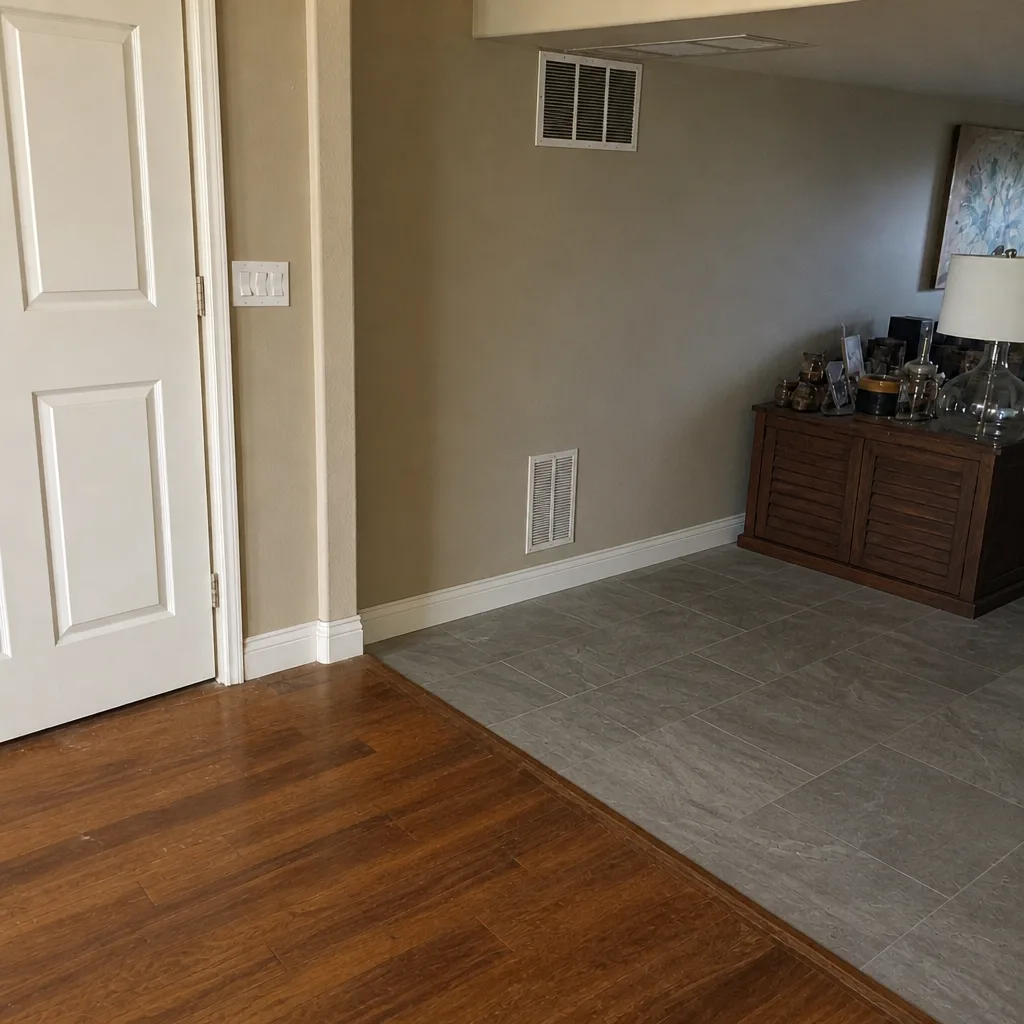
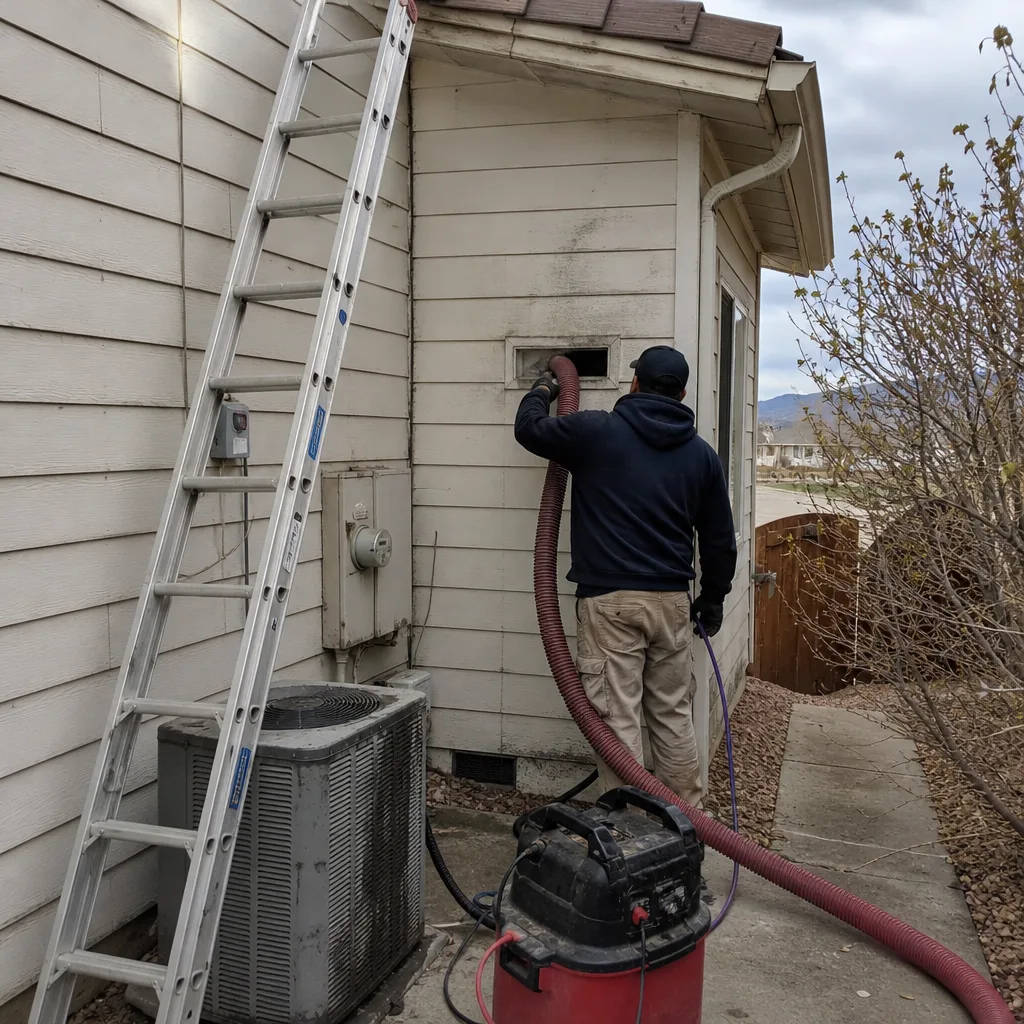
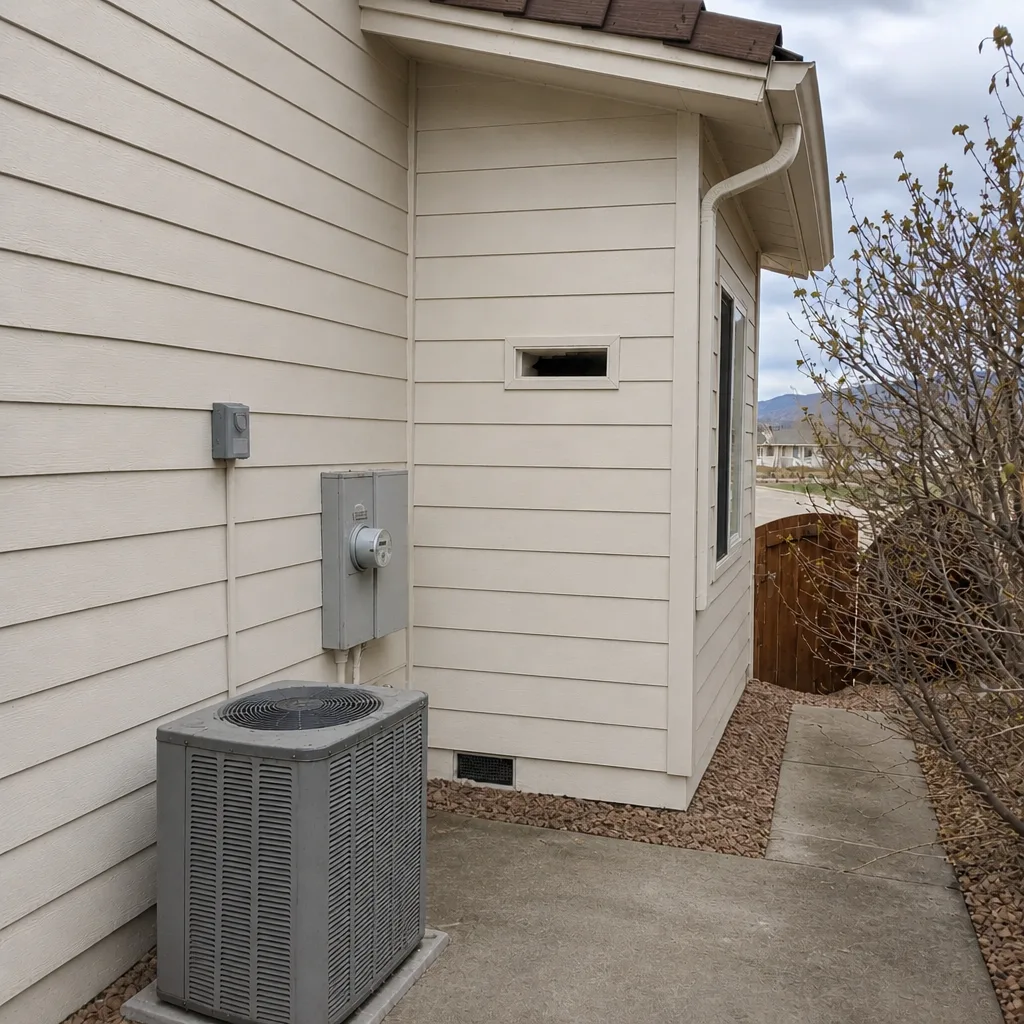
Whole-system duct and dryer vent check with before-and-after photos - you see exactly what came out of your vents
That "$99 whole-house special" is a bait ad - the real number appears once they are in your hallway, or the "clean" is a shop-vac at the register. We photograph the inside of your ducts before and after instead.
Air Duct Cleaning Maintenance Checklist for Paradise Homeowners
Most air duct maintenance advice you’ll find online was written for a house in a mild four-season climate, and following it in Paradise means maintaining your system for weather you don’t actually live in. Desert heat runs your cooling system hard for far more of the year than a national-average schedule assumes, and the dust that blows through the valley settles into returns and grilles on its own timeline. The checklist below is built around that reality: month by month, inspection point by inspection point, calibrated to dust storm season, the monsoon window, and the long cooling months that define life in Paradise. You’ll learn what to check yourself, what to log and watch, and when a small symptom is telling you to call a professional before it becomes a repair.
Quick Answer
In Paradise, air ducts should be inspected at least once a year and cleaned every two to three years for a typical home, with filter checks every 30 to 60 days during peak cooling season and more often if you live near active construction or the I-15 corridor. Homes with pets, allergy sufferers, recent remodeling, or visible dust at the registers need attention sooner. The monthly checklist below tells you what to look at, what to log, and when to stop watching and call someone.
Styles & brands we work with
- Whole-home duct cleaning
- Dryer vent cleaning
- Camera inspection
- Sanitizing & deodorizing
Table of Contents
- Why Paradise Ducts Need a Different Schedule
- Month-by-Month Maintenance Checklist
- Filter Intervals That Actually Fit Paradise
- What You Can Inspect Yourself
- Symptoms to Log vs. Symptoms That Mean Call Now
- Post-Service Checklist: Confirming the Job Was Done Right
- Cleaning vs. Repair: Knowing Which You Need
- Adding the Dryer Vent to Your Routine
Why Paradise Ducts Need a Different Schedule
A national-average duct cleaning interval assumes your system rests for part of the year. In Paradise it barely does. Cooling season stretches long, the equipment cycles far more hours than the national norm, and every one of those hours moves air – and whatever is riding in it – through the same ductwork. That’s the first reason the standard advice undersells what your system needs here.
The second reason is dust. Paradise sits in a desert valley where wind lifts fine particulate off open ground and construction sites alike, and a percentage of that finds its way into return grilles and filter slots. When a dust event passes, your filter is doing more work than it was the week before. A homeowner who changes filters on a fixed calendar date, ignoring what the seasons actually throw at the house, is often running a loaded filter for weeks without knowing it.
The third reason is the monsoon window. When humidity climbs during the summer storm season, the interior of a dirty duct system and a damp filter become a better environment for musty odors and microbial growth than they are in dry heat. A system that smelled neutral in May can start smelling like a basement in July. Timing your cleaning and inspection ahead of that window, rather than after the smell arrives, is one of the practical adjustments this climate rewards.
None of this means a Paradise home needs constant service. It means the cadence is driven by the local calendar: pre-cooling-season inspection, a filter discipline that responds to dust events, and a check before the monsoon sets in. That’s the framework the rest of this checklist is built on. If you want the service overview first, our air duct cleaning page covers scope and what a visit includes.
Month-by-Month Maintenance Checklist
Here’s the annual rhythm we recommend for a home in Paradise. Treat it as a template, not a rigid law; homes with pets, carpet, or nearby construction will compress some of these intervals.
- Late winter (before cooling season): Schedule a full system inspection and, if it’s due, a professional cleaning. Confirm the return grilles, supply registers, and the air handler area are addressed. This is the single most useful appointment of the year because it happens before the equipment starts working hard.
- Early spring: Replace or clean the filter, then start a monthly photo log of the filter and a couple of registers. The photo log is your baseline – it’s how you’ll know whether the system is getting dirtier faster than it should.
- Late spring / pre-monsoon: Check filter condition every 30 days as temperatures rise and the system runs longer. Look and smell for anything musty at the registers before the humid weeks arrive. If you noticed odors last summer, book cleaning now rather than waiting.
- Monsoon window (summer storms): Watch for musty smells, condensation near the air handler, and any change in how the house feels. Keep filters fresh. This is the stretch where a neglected system announces itself.
- Dust storm season: After any visible dust event, check the filter and the return grille. If the filter looks loaded, change it – don’t wait for the calendar. Note the date; if you’re changing filters far more often than usual, that’s a signal worth tracking.
- Peak cooling months: Continue 30-day filter checks, watch for uneven cooling room to room, and keep an eye on your energy bills for sudden jumps. Log anything that changes.
- Fall: Do a visual inspection of accessible ductwork, registers, and the air handler closet. Take photos. Compare to your spring baseline. Book a cleaning if it’s been two to three years or the visual evidence says it’s time.
- Winter: A quieter month for cooling equipment, which makes it a good time to schedule service before the spring rush. Clean the dryer vent if it’s due, and review your log for any patterns you want a professional to look at.
For a broader view of how this schedule fits the wider Paradise service picture, we keep a location page that ties the checklist to local conditions.
Filter Intervals That Actually Fit Paradise
Filter advice is where most generic checklists fall apart. “Change it every three months” is a reasonable national default and a poor fit for a desert home running its system most of the year. Here’s the interval guidance we give homeowners in Paradise, adjusted for the things that actually load a filter faster.
- Standard home, no pets, no construction nearby: check every 30 days during cooling season, replace every 60 to 90 days.
- Pets in the home: check every 30 days, replace every 60 days. Pet hair and dander load a filter quicker than dust alone.
- Near active construction or a major corridor: check every two to three weeks, replace as needed. Homes close to the I-15 corridor or to ongoing construction see more airborne particulate than a quiet interior street, and the filter shows it.
- After a significant dust event: check the filter within a few days regardless of where you are in the cycle. Change it if it’s visibly loaded.
- Allergy sufferers in the household: err toward the shorter end of every interval above, and consider a higher-MERV filter – but confirm with a professional that your system can handle the added restriction before you upgrade, because too high a rating can strain airflow.
One practical note: don’t judge a filter by how long it’s been in. Judge it by holding it up to the light. A filter that’s only a month old but grey and matted from a dust event is done. A filter that looks clean at the scheduled change may have more life. The calendar is a reminder, not the decision.
If you want a second opinion on whether your filter strategy and duct condition are in step, that’s the kind of question a professional inspection answers quickly. Call (866) 330-2124 for a free estimate and we’ll talk through what your home actually needs.
What You Can Inspect Yourself
You don’t need tools or training to check the things that matter most, and you should never open or work on the equipment itself. The visual inspection below stays on the safe side of the line: registers, grilles, and what’s visible without disassembly.
- Supply registers: Look at the grille and the slot behind it. A light dust film is normal. A visible mat of dust, dark streaking radiating outward, or debris caught in the fins means the ducts are passing more than they should.
- Return grilles: These take the heaviest load. Check them monthly in cooling season. If the grille is visibly coated and the filter behind it is clean, that’s worth noting – it suggests dust is settling after the filter rather than being caught by it.
- Visible flex duct: Where ductwork is exposed in a garage, closet, or attic access, look for crushed or kinked sections, sagging runs, disconnected joints, or tears in the outer jacket. You’re looking, not touching. Damaged ductwork leaks air and pulls in dust; it’s a repair question, not a cleaning one.
- The air handler closet: Look in from the doorway. You’re checking for visible dust buildup, moisture, or a filter that’s clearly overdue. Don’t open panels or reach inside.
- Around the vents: Dust tracking on the ceiling or wall near a register can point to a leak at the boot or a poorly sealed connection.
Take dated photos of each spot when you start this routine. Two months later, the comparison tells you more than any single inspection. If something looks wrong, note it and describe it to a professional rather than trying to fix it yourself. Our Paradise Duct Cleaning team can look at photos and tell you whether it’s a cleaning issue, a repair issue, or nothing to worry about.
Symptoms to Log vs. Symptoms That Mean Call Now
Part of a good maintenance habit is knowing the difference between “watch this” and “act on this.” Here’s how we’d sort the symptoms a Paradise homeowner is likely to notice.
Log and track these:
- Energy bills creeping up over a season or two with no change in usage habits
- One or two rooms that never quite cool to the same level as the rest of the house
- A faint musty or dusty smell at the registers that comes and goes
- More frequent filter changes than your usual interval
- Visible dust settling on furniture faster than it used to
These are patterns, not emergencies. Write down the date and what you noticed. A log spanning a few weeks or months is genuinely useful to a professional because it shows direction and speed of change. It also stops you from guessing later whether the problem is getting worse.
Call a professional now:
- Any smell of gas, or a burning or acrid odor from the vents – stop and call for help
- Visible moisture, standing water, or dampness around the air handler or ductwork
- A sudden, sharp drop in airflow from most or all registers
- Visible mold or dark staining inside a register or on the duct surface
- Ductwork that has visibly come apart or is hanging loose in an accessible area
- Pest activity or droppings inside ductwork
The last category isn’t a wait-and-see situation. Moisture and ductwork don’t mix, and air flowing through a wet system spreads the problem. Call (866) 330-2124. We answer 24/7. Fast dispatch from 7am to 7pm, Sunday through Friday.
Post-Service Checklist: Confirming the Job Was Done Right
A cleaning is only as good as what you can verify afterward. This checklist is how you confirm the work on the day it’s done, and it’s the same standard we hold ourselves to. If a company can’t walk you through these points, that’s information too.
- Before-and-after photos of your own system: Ask to see photos of the actual ductwork and registers, not stock images or a binder of other jobs. Professional duct cleaning should be documented. If they used containment and HEPA-style filtration during the work, the photos should reflect real before-and-after evidence.
- Confirm which components were cleaned: Supply ducts, return ducts, registers, and the air handler area should be addressed. Ask specifically what was included and what wasn’t. A price that only covered a partial job is a partial job.
- Ask about filtration during the work: A company that captures loosened debris with air filtration equipment, like we do with Abatement Technologies systems, is protecting your home from a cloud of dust. If they don’t know what equipment was used, ask.
- Inspect your registers: Walk room to room and look at the grilles. They should be clean, reseated, and undamaged. Any that were removed should be back in place.
- Test airflow and note any changes: Turn the system on and feel the registers. Airflow should be even and at least as good as before, ideally better.
- Look at your floors and surfaces: Containment does the job, but a quick check of the area around the work is fair. Any dust should be easily addressed and explained, not a mess left behind.
- Get a written record: Ask what was found, including any ductwork problems. Cleaning-only companies often can’t fix what they find; a full-service company should be able to repair compromised ductwork rather than leave you to call someone else.
That last point matters more than it sounds. Rotobrush and Nikro systems are the professional platforms used by certified HVAC and restoration contractors, and they clean thoroughly, but cleaning can’t fix a crushed run or a disconnected joint. If the inspection turns up damage, you want a company that handles repair, not one that refers it out. Our dryer vent cleaning service follows the same standard, applied to a different part of your home.
Cleaning vs. Repair: Knowing Which You Need
Not every dirty-duct problem is a cleaning problem. Some are repair problems wearing a dust disguise. In our experience, homeowners often call for a cleaning and find out the real issue is ductwork that’s been leaking or disconnected for a while. Distinguishing the two early saves money and fixes the actual cause.
- Dust and debris accumulation inside otherwise sound ductwork: cleaning.
- Crushed, kinked, or sagging flex duct that restricts airflow: repair.
- Disconnected joints or torn duct jackets that leak air into an attic or crawlspace: repair.
- Poorly sealed registers or boots leaking air into walls or ceilings: repair.
- Mold or moisture problems inside ducts: inspection first, then a plan that may involve both.
The practical implication is simple: a cleaning-only contractor cleans what’s there and leaves the underlying problem in place. Since we repair ductwork as well as clean it, an inspection tells you which category you’re in before anyone quotes a job. If the equipment brands matter to you – and they should, because they reflect what a contractor is equipped to handle – we work with Honeywell and Aprilaire product lines, which means your broader air-quality questions don’t end at the ductwork.
If you’re not sure which problem you have, don’t guess. Call (866) 330-2124 for a free estimate and we’ll tell you honestly what the system needs.
Adding the Dryer Vent to Your Routine
The duct cleaning checklist most homeowners follow stops at the HVAC system, and that’s a gap worth closing. Your dryer vent is a lint conduit connected to a heat source, and lint buildup in the vent is a leading cause of residential fires. A dedicated dryer vent cleaning is not an upsell on a duct job; it’s a separate maintenance appointment on its own interval.
What to check between professional cleanings:
- Drying time: If clothes take noticeably longer to dry than they used to, restricted airflow is a likely cause. Log the change.
- The outdoor vent flap: Check that it opens freely when the dryer runs and isn’t clogged with lint or stuck.
- The vent run: Look at any accessible section of the duct behind the dryer. Lint buildup is often visible at the joints.
- Clothes feeling unusually hot or the dryer running hot at the end of a cycle.
Schedule professional dryer vent cleaning on a regular interval, and sooner if any of the above show up. The same professional-grade filtration and cleaning approach applies. To see how a visit works, look at the dryer vent cleaning detail.
Pair the dryer vent with the HVAC checklist and you’re covering both of the main contamination points in a typical Paradise home’s air and safety system.
Common Mistakes to Avoid
- Following a national-average cleaning interval in a desert climate. A schedule built for a mild four-season climate will leave a Paradise system underserved, because the cooling equipment here runs far more hours. Adjust the cadence to your actual climate.
- Judging filters by the calendar instead of by condition. A filter that is only a month old but loaded after a dust event is a filter that needs changing. Check the filter against the light, not against the date.
- Ignoring the dust storm season. A visible dust event is your cue to check filters and returns the same week. Many homeowners miss this, then wonder why the system feels sluggish a month later.
- Trying to inspect or open the equipment yourself. Registers and grilles are fair game. The air handler and internal ductwork are not. A quick visual inspection from the outside is enough to catch problems; the rest should be a professional’s call.
- Not logging symptoms. Rising bills, uneven cooling, and musty smells are all easier to solve when you have dates attached. A brief log turns vague complaints into actionable information.
- Hiring a cleaning-only company when the problem is a repair. If the ductwork is disconnected or crushed, cleaning won’t fix it. Ask whether the company can repair what it finds, and before you book, confirm what a quote actually covers.
- Skipping the dryer vent. Treating dryer vent cleaning as an optional add-on leaves a genuine fire risk in place. It deserves its own recurring slot on the calendar.
See the difference
 Before
 After
 Before
 After
 Before
 After
When to Call a Professional
Call a professional when you’ve logged a pattern you can’t explain, when the visual inspection turns up damaged or disconnected ductwork, or when smell or moisture shows up in the system. Book a full inspection before cooling season if you can’t remember the last time the system was cleaned. If it’s been two to three years, or you’re near construction or the I-15 corridor and seeing heavy filter loading, it’s time. Air duct cleaning is a scheduled job, so the best approach is to plan ahead rather than wait for a problem. Paradise Duct Cleaning offers free estimates in Paradise. Call (866) 330-2124. We answer 24/7. Fast dispatch from 7am to 7pm, Sunday through Friday.
Frequently Asked Questions
Most Paradise homes should be inspected yearly and cleaned every two to three years, with filter checks every 30 to 60 days during cooling season and more often near construction or highways. Homes with pets, allergy concerns, or recent remodeling should be cleaned sooner.
A yearly inspection is the practical recommendation; cleaning happens on its own interval based on what the inspection finds. In a desert climate running cooling equipment for most of the year, the yearly inspection is what keeps small issues from becoming larger ones.
Between cleanings, check filters monthly, inspect registers and return grilles for visible dust or debris, look at any accessible flex duct for kinks or tears, and log symptoms like uneven cooling or musty smells. Never open the air handler or internal ductwork yourself.
Dust builds up faster in Paradise because the desert environment generates fine particulate from wind, open ground, and construction, and because long cooling seasons mean more air moves through the ducts. Adjusting filter intervals to the local calendar is the main fix.
Ask for before-and-after photos of your own system, confirm which components were cleaned, and inspect the registers after the visit. The work should be documented and any ductwork problems found should be explained clearly.
Sometimes. If the inspection finds crushed, disconnected, or damaged ductwork, repairing it is the priority and cleaning follows. Since we handle both air duct cleaning and repair, we can tell you which you need after looking at the system.
The Bottom Line
The right duct maintenance schedule for a Paradise home is the one built for desert conditions: a yearly inspection, cleaning every two to three years, filter checks on a dust-aware interval rather than a national-average calendar, and a post-service checklist that confirms the work. Add the dryer vent to your routine, log symptoms instead of guessing, and stay on the safe side of self-inspection. Professional-grade equipment, not shop-vac shortcuts, is what produces a verifiable result – and a company that can repair what it finds saves you a second call. Call (866) 330-2124 for a free estimate and we’ll help you build the schedule your home actually needs.
Written by the team at Paradise Duct Cleaning.