
Last updated November 15, 2026
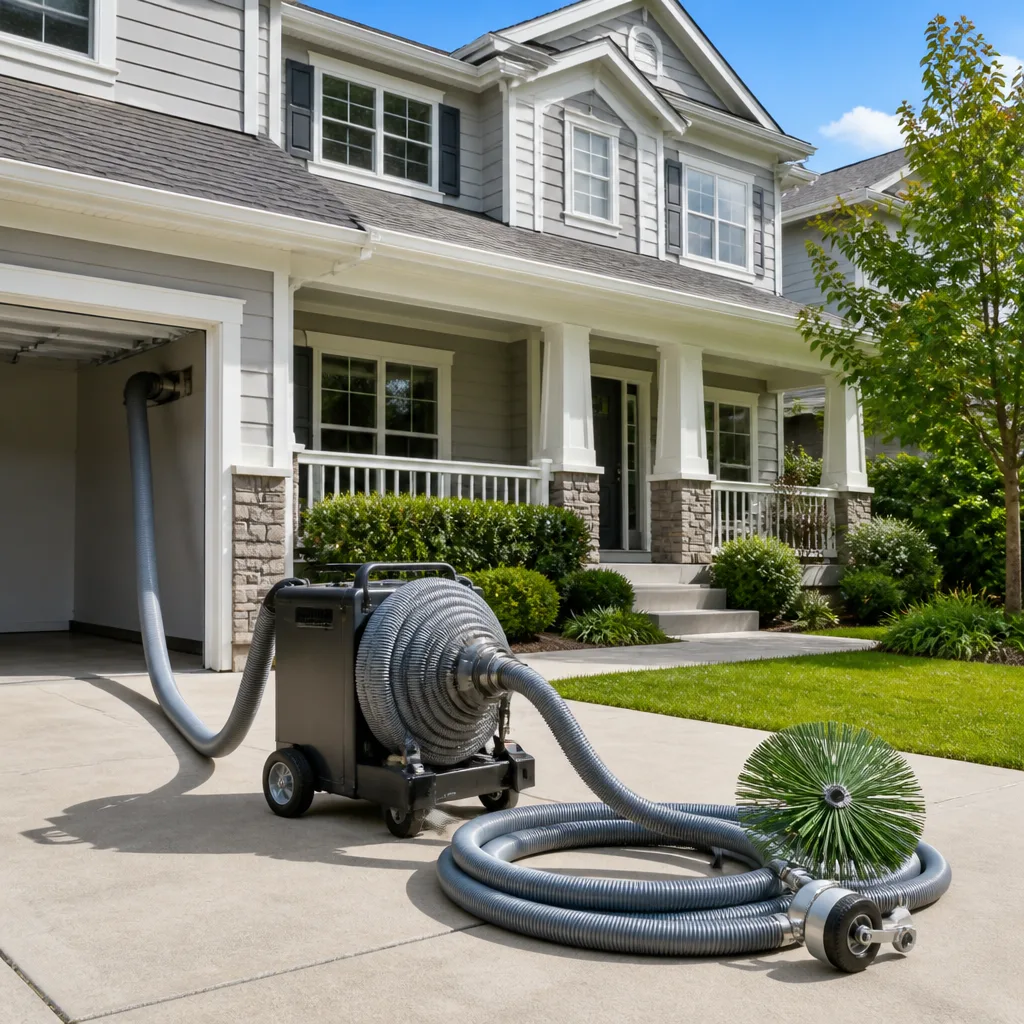 Whole-home duct cleaning
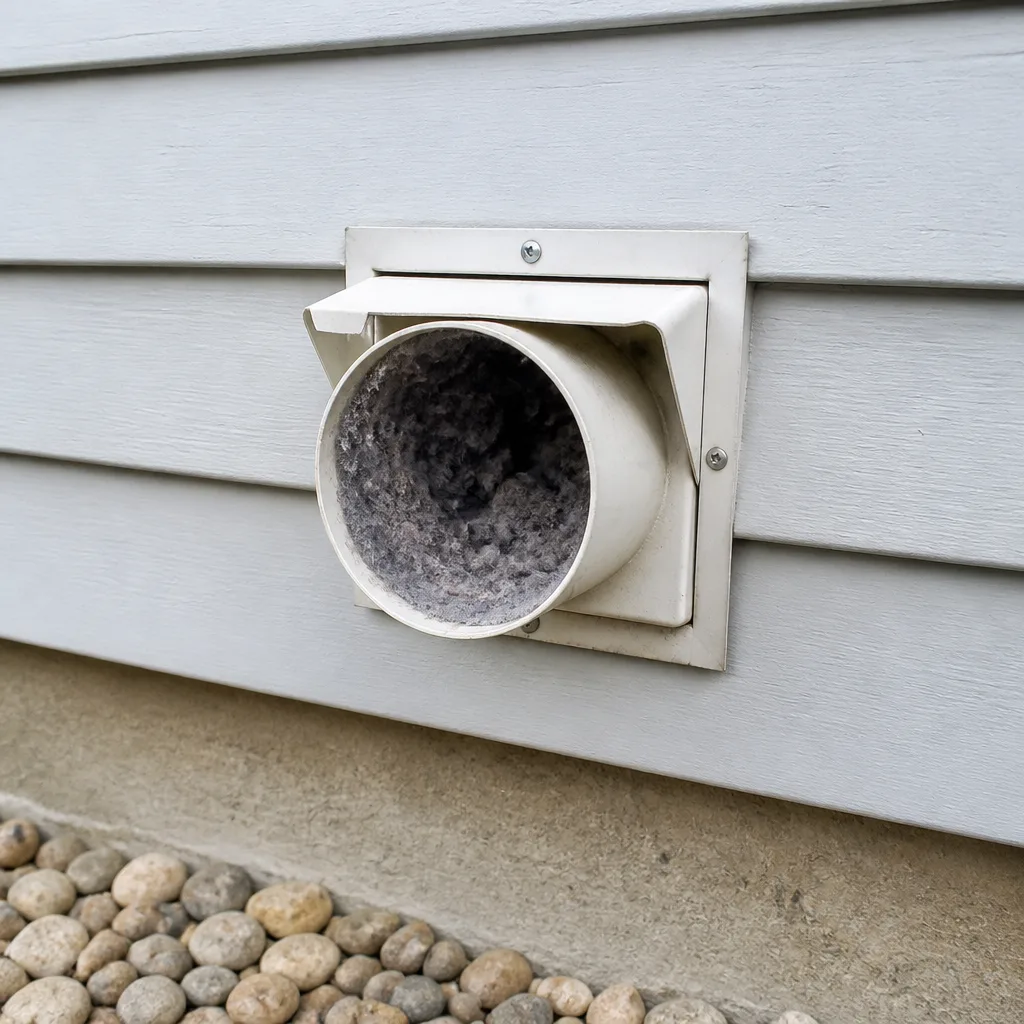 Dryer vent cleaning
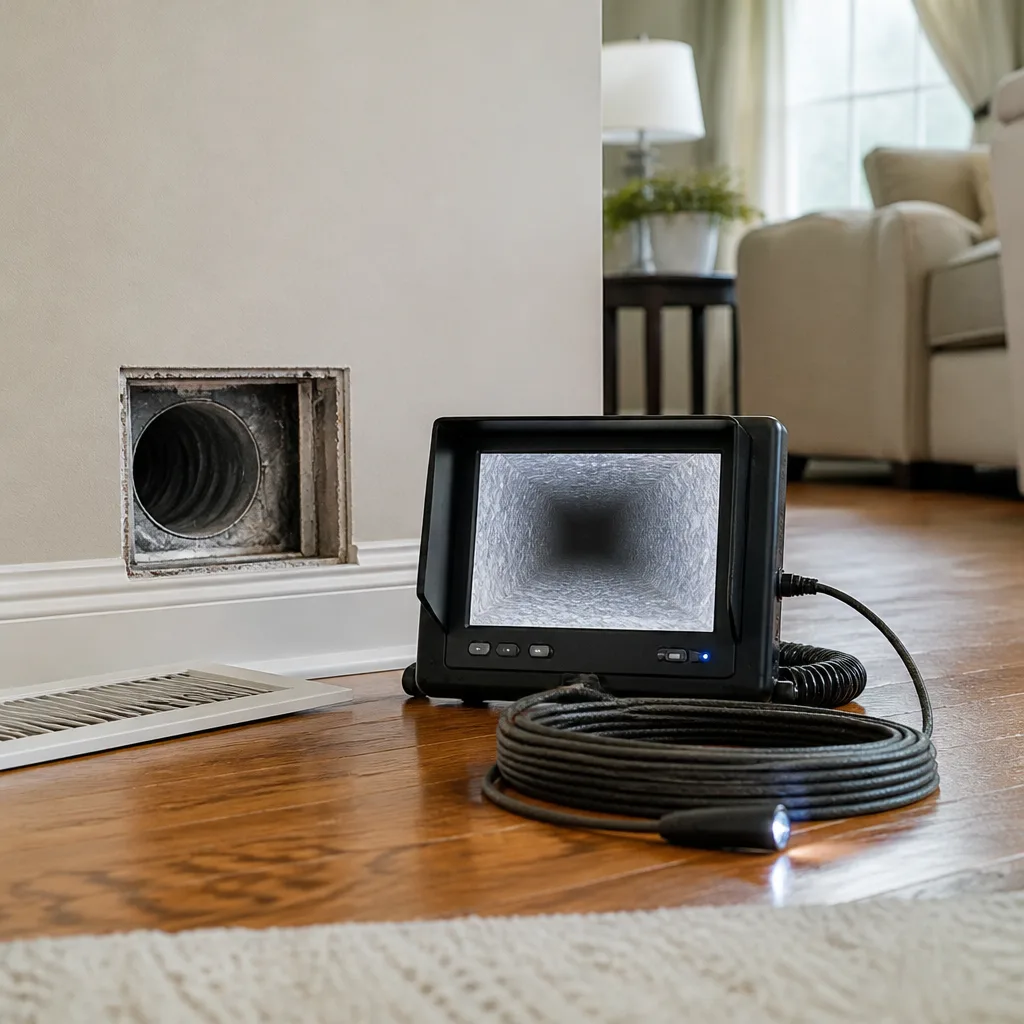 Camera inspection
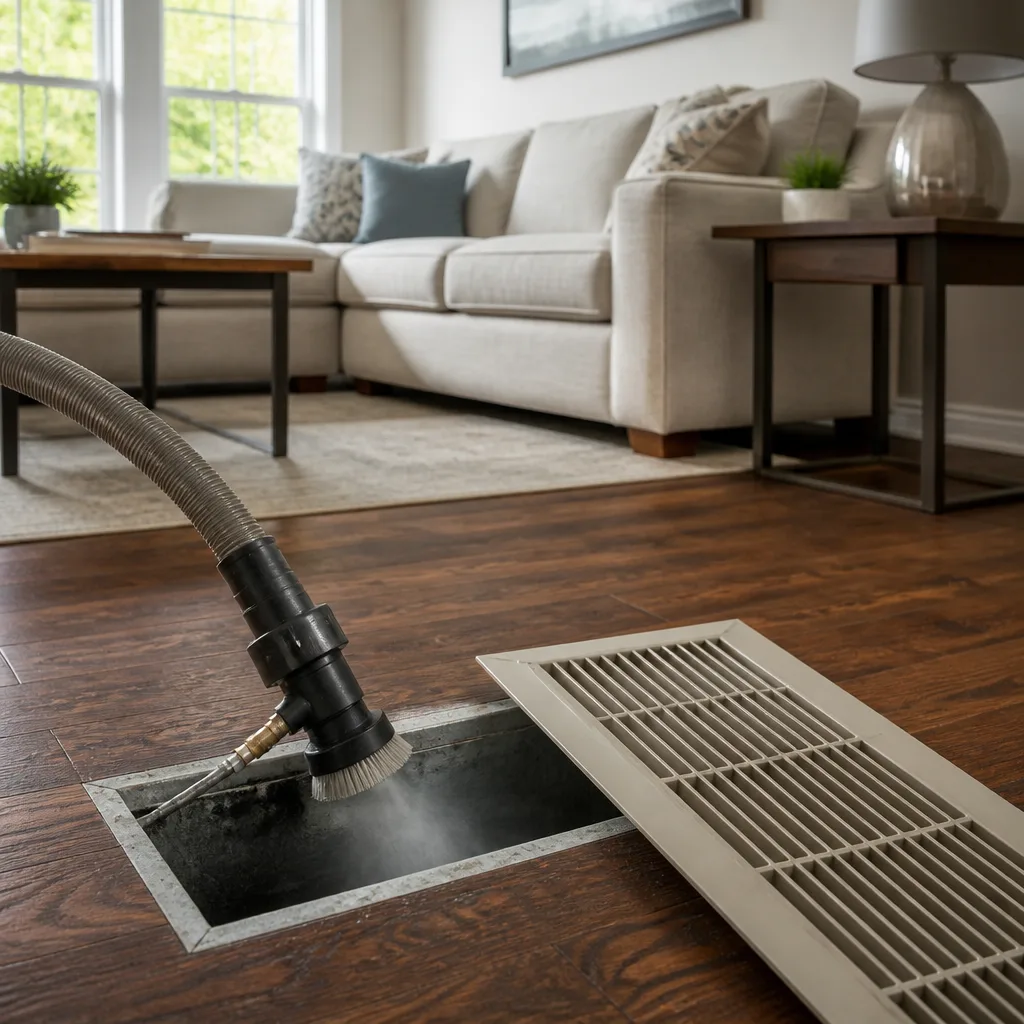 Sanitizing & deodorizing
Whole-system duct and dryer vent check with before-and-after photos - you see exactly what came out of your vents
That "$99 whole-house special" is a bait ad - the real number appears once they are in your hallway, or the "clean" is a shop-vac at the register. We photograph the inside of your ducts before and after instead.
Air Duct Cleaning Troubleshooting in Paradise: Common Problems and How to Fix Them
If your ducts were cleaned six months ago and dust is already coating the vent covers again, the cleaning probably didn’t fail. Something upstream did. Most repeat-dust complaints we diagnose in Paradise trace back to a breach in the duct system itself – a cracked joint, a collapsed run, a filter slot that never sealed properly – and no amount of re-vacuuming fixes a breach. This guide maps the symptoms you’re actually noticing (hot rooms, recurring dust, odd smells, weak airflow) to their real root causes inside the ductwork, explains how Paradise’s attic heat accelerates some of those failures, and shows you what to check before you pay anyone for anything. By the end you’ll know whether you have a duct problem, an equipment problem, or a repair that cleaning alone can’t solve.
Quick Answer
Most air duct problems in Paradise come down to one of five causes: duct leakage pulling attic debris into the system, a collapsed or disconnected flex duct, an HVAC equipment issue (drain pan, coil, blower) that’s being mistaken for a duct issue, an undersized or unbalanced supply layout, or a previous cleaning that loosened debris without capturing it. Matching your specific symptom to the right cause is what determines whether you need cleaning, repair, or an HVAC technician – and paying for the wrong one is where most homeowner money gets wasted.
Styles & brands we work with
- Whole-home duct cleaning
- Dryer vent cleaning
- Camera inspection
- Sanitizing & deodorizing
Table of Contents
- Symptom-to-Cause: The Troubleshooting Map
- Why Some Rooms Never Cool Evenly
- Dust That Comes Back After Cleaning
- Musty Smells: Usually Not the Ducts
- How Paradise’s Attic Heat Wears Out Flex Duct
- How to Tell If a Previous Cleaning Was Incomplete
- Duct Problem or HVAC Problem? Who to Call
- When Repair Is the Real Fix and Cleaning Isn’t
Symptom-to-Cause: The Troubleshooting Map
Start here. Air duct troubleshooting works fastest when you stop describing the problem as “my ducts are bad” and start describing it as a specific symptom. The symptom narrows the cause dramatically. Below is the mapping we use when a homeowner in Paradise calls with a vague complaint and needs a specific answer.
- Some rooms cool well, others never do. Supply imbalance, a closed or blocked damper, an undersized branch duct, or a run that’s collapsed under insulation. Rarely a “dirty duct” issue at all.
- Dust returns to the vent covers within weeks of a cleaning. Duct leakage on the return side, drawing attic air and insulation fibers in through a gap. The system is refilling itself faster than you can clean it.
- A musty or sour smell when the air kicks on. Moisture somewhere – usually the evaporator coil, the drain pan, or wet insulation inside the air handler cabinet. The ducts are the messenger, not the source.
- Weak airflow at every register, all at once. Blower or filter restriction, a crushed main trunk line, or a return that’s too small for the system. This is a whole-system airflow question.
- A single vent blowing noticeably weaker than its neighbors. A disconnected or torn branch duct, almost always in the attic where flex duct bends sharply. A repair job, not a cleaning job.
- Visible debris or dust streaks around one vent frame. Leakage at the boot-to-drywall connection. A mastic and sealing fix.
Notice how few of those map to “the ducts need cleaning.” That’s the point. Cleaning is the right answer for accumulated debris in a sealed, functional system. It’s the wrong answer for a broken one, and in our experience in Paradise, a large share of repeat calls are broken systems that got cleaned instead of diagnosed. Our air duct cleaning work always includes a look at the system’s condition, because a cleaning pass over a breached duct just moves the problem around.
Why Some Rooms Never Cool Evenly
Uneven cooling is the most common complaint we hear in Paradise, and the least likely to be a cleaning problem. When one bedroom stays warm while the rest of the house is fine, the cause is almost always in how the air is delivered – not how clean the duct is. Here’s the order we check things in.
- Confirm the vent is actually open. Sounds obvious, and it’s the single most common “broken duct” call we see resolved in under a minute.
- Look at the flex duct run in the attic. Flex duct should be smooth and gently curved. Sharp 90-degree bends, sagging spans, or runs crushed under other ductwork choke airflow at the point of the crush, not at the vent.
- Check for a collapsed run. Inner flex duct lining can separate from the outer jacket and fold in on itself, especially where the duct has been baked by attic heat for years. The run looks fine from outside and is nearly blocked inside.
- Check the branch dampers. Many systems have volume dampers at the trunk takeoffs. If a previous homeowner or contractor closed one to “balance” the system, that room is getting a fraction of its share.
- Confirm return air. A room with a closed door and no return path can’t shed hot air or accept cool air efficiently. A return path matters as much as the supply.
Supply imbalance and collapsed flex are the two leading suspects. Both are fixable, and neither requires replacing your whole system. A duct repair that reseals joints and replaces a crushed branch often resolves a warm-room complaint entirely. If your warm-room problem is more pronounced than your neighbors’ and you’ve had recent work done, a faulty reconnect at the trunk is worth ruling out – and it’s the kind of thing an on-site look finds quickly. If you’re in Paradise and comfortable going into the attic, look at the run first; if you’d rather not, that’s a perfectly reasonable reason to call.
Dust That Comes Back After Cleaning
Dust reappearing on vent covers a few weeks after a cleaning is not a sign the cleaning failed. It’s a sign the system is doing exactly what a breach lets it do: pulling unfiltered attic air into the return side and delivering it into your living space. The vent cover is the visible end of that story. The breach is upstream.
Here’s how the return side works and why a leak there matters so much. Your return ductwork operates under negative pressure – it’s sucking air back to the air handler. Any gap, torn flex jacket, unsealed boot, or loose connection on the return side doesn’t leak air out; it leaks attic air, insulation fibers, and dust in. Every time the system runs, it deposits a fresh film of fine particulate on your supply registers. Clean the ducts, and the film is back in weeks.
Where return-side leakage typically hides in Paradise homes:
- Filter slots and cabinet doors. A filter frame that never sealed properly at the air handler is a constant leak path. Many are installed loosely and stay that way.
- Flex duct jacket tears. The outer vapor barrier tears easily and is often torn during other attic work. Look for the silver jacket peeling away from the inner duct.
- Disconnected boots. The duct boot where it meets the drywall or floor often isn’t sealed with mastic. Attic air enters around the boot.
- Joint separation at the trunk. Flex to trunk connections can slip apart over years, especially when ductwork is stretched rather than properly supported.
The fix for recurring dust is sealing, not re-cleaning. A proper repair pass reconnects and mastic-seals the joints, boots, and filter frame, then the cleaning removes the debris that accumulated while the breach was open. Doing it in that order matters. Our approach to Paradise Duct Cleaning puts repair capability in the same visit for exactly this reason: a cleaning-only crew can’t stop the leak, and a leak you don’t stop makes the cleaning futile.
Musty Smells: Usually Not the Ducts
If the smell is musty, sour, or “dirty-sock” and it shows up when the air handler kicks on, the ducts are almost always the delivery mechanism and not the source. The moisture is somewhere else. Here’s where to look, in order.
- The evaporator coil. The coil sits wet for much of the cooling season in Paradise. Dust and debris that stick to a wet coil become a biological film, and that film is what you smell. Coil cleaning is an HVAC service, not a duct service.
- The drain pan and condensate line. A pan that doesn’t fully drain holds standing water. Standing water grows things. A clogged condensate line backs up and makes the situation worse. Both are HVAC tech territory.
- Wet insulation inside the air handler cabinet or ductwork. Insulation that’s been wet stays wet, and it smells. Sometimes the source is a slow condensate leak, sometimes attic moisture intrusion.
- A duct that’s been sealed over a moisture problem. Cleaning ducts that feed a wet coil cleans the messenger, not the message. The smell comes back within days.
A musty smell is a diagnostic question first and a cleaning question second. If you clean the ducts and the smell returns in a week, the source was never in the ducts. Call an HVAC technician to inspect the coil and drain system before ordering another cleaning. We’d rather point you to the right trade than take money for a cleaning that won’t solve the real problem – that’s the standard we keep on every job, whether the work is air duct cleaning in Paradise or a straightforward repair.
How Paradise’s Attic Heat Wears Out Flex Duct
Paradise summers push attic temperatures past 140°F routinely, and flex duct in a Paradise attic lives under that load for decades. Heat doesn’t just stress the duct – it changes the material. The inner lining of flex duct is a thin plastic film, and that film becomes brittle with sustained high heat and age. Once it’s brittle, it cracks along the bend points and separates from the outer jacket.
This is what makes Paradise’s climate a factor in duct troubleshooting rather than just background. Some of the failure modes worth knowing:
- Innermost lining failure. The inner film peels away and folds inward, choking off airflow. From the attic it looks intact; from the vent the airflow is weak.
- Outer jacket cracking. The silver vapor barrier cracks at bends and starts peeling. Insulation under the jacket degrades, and the duct starts sweating or losing R-value. Since the jacket is also the first line against attic particulate, cracking is also a leak path.
- Insulation compression. Heat-softened duct sags between supports, and when the insulation is squashed against a joist or another duct, the R-value drops at that spot. That’s the run that delivers the least cool air, or the one that sweats the most.
- Support failure. Fabric straps and hangers degrade in high heat. Duct that was properly supported starts sagging, and sag points are where the jacket cracks first.
A quick visual from a vent register tells you a lot. Pull the vent cover and look at the duct connection and the first few feet of duct if you can. Torn jacket, sagging run, visible light through a crack, or a bend sharper than a gentle curve are all signs the run needs attention. Do this check on one of the hottest weeks of summer, not the shoulder season – heat-related duct problems are much easier to spot when the attic is at full temperature.
How to Tell If a Previous Cleaning Was Incomplete
You can run a meaningful check on a past duct cleaning without any equipment, and it’s worth doing before you pay for another one. The tests below take about 20 minutes and use what’s already in the house. If two or more of them fail, the previous cleaning probably didn’t cover the whole system.
- The vent-cover wipe test. Wipe the inside of a supply register frame with a white paper towel. A cleaning done more than a month or two ago should show light, even dust, not a heavy gray film or visible fibers.
- The flashlight-in-vent test. Pull one supply vent cover, shine a flashlight down the branch duct, and look for visible debris stuck to the walls or settled at the bottom. Professionally cleaned duct should be visibly clean on the inside surface.
- The airflow tissue test. Hold a tissue or piece of toilet paper near each register while the system runs. Airflow should be strong and roughly consistent across same-sized vents. A weak vent often points to a crushed or disconnected run, not a dirty one – but either way, the system wasn’t fully checked.
- The return-side look. Return grilles and the return duct’s first few feet are where incompleteness shows. Debris coating the return plenum after a “full cleaning” is a clear sign the cleaning stopped at the supplies.
- The attic check. Ductwork in the attic should look undisturbed and clean at the joints. If attic runs weren’t accessed, they weren’t cleaned, and in a Paradise home the attic runs are the majority of the system.
One more sign: a cleaning that “loosened debris” but didn’t capture it. If your home was noticeably dustier for days after the service, the crew probably used equipment that agitates debris without adequate filtration. Professional cleaning deploys high-capacity filtration on-site during the work – we use Abatement Technologies air filtration units for exactly this – so the debris gets captured at the source rather than recirculated into the living space. If your ducts came out clean but your air was thick for a week, that’s the difference.
Duct Problem or HVAC Problem? Who to Call
Getting this call right saves money. Half the homeowner frustration we hear in Paradise comes from paying the wrong trade to solve a problem it doesn’t fix. Here’s the split.
It’s a duct problem when:
- Airflow is weak at one or a few vents and strong elsewhere.
- Debris reappears at supply registers after a cleaning.
- You can see sagging, torn, or disconnected insulated flex duct in the attic.
- A vent isn’t delivering air at all while its neighbors are fine.
- Dust streaks around a vent frame suggest a leaking boot.
It’s an HVAC equipment problem when:
- The air handler runs but no cooling happens anywhere in the house.
- Airflow is weak across every vent at once – the blower, filter, coil, or return sizing is often the cause.
- The system freezes up, cycles short, or trips the breaker.
- The smell is musty and originates near the air handler, coil, or drain pan.
- A refrigerant or compressor issue shows up as warm air, not a blocked duct.
When the answer is a duct fix, you want a team equipped to repair, not just clean. That distinction matters, because a cleaning-only service that finds a collapsed duct will either do nothing about it or refer it out. When the answer is an HVAC repair, you want a licensed HVAC contractor, and we’ll tell you so. A dry dryer vent cleaning is a separate service, but a dryer that runs hot and long is worth ruling out as its own airflow issue; that’s one of the fire-safety services we run as a dedicated job, not an add-on. Our technicians have up to 11 years of experience reading these symptoms, and asking a few questions before booking gets you a better answer than booking blind.
When Repair Is the Real Fix and Cleaning Isn’t
The single most expensive mistake in duct troubleshooting is paying for a cleaning when the real fix is repair. Cleaning removes debris. It doesn’t seal a leak, replace a crushed run, or reconnect a boot. If the cause is a physical breach, cleaning alone won’t stop the symptom – and repeat cleaning becomes a subscription to the same problem.
Repair is the right answer when you find:
- Disconnected ductwork. A flex duct run severed from the trunk or boot. Cleaning can’t fix this; the fix is reconnecting and mastic-sealing the joint.
- Crushed or collapsed runs. Flex duct that’s sagged, folded, or choked under other material. It needs replacing, not cleaning.
- Leaking joints and unsealed boots. Any place where the ductwork isn’t sealed to the trunk or the boot isn’t sealed to the drywall. Mastic sealing stops the leak for good.
- Failed jacket and inner lining. Flex that’s cracked or separated in the jacket, or whose inner film has failed, gets replaced.
- Improperly sealed filter frame or cabinet. A filter slot that never sealed pulls attic air into the system every run cycle.
In a Paradise home, the repair list frequently leads to a cleaning, never the other way around. We seal and fix first, then clean the system after the jobs that matter are done. That sequence means the cleaning removes the accumulated debris from a now-sealed system, and the symptom doesn’t come back. We approach every job like this – from the tooling side, that’s professional-grade Rotobrush and Nikro duct cleaning equipment on-site, and from the repair side it’s mastic sealing and duct replacement done in the same visit. The right answer is sometimes just a cleaning. But when a breach is causing the symptom, the cleaning is the last step, not the only one.
Common Mistakes to Avoid
- Paying for a re-clean before finding the cause. If dust returns within weeks, a second cleaning won’t help – the leak is still there. Diagnose the breach, then clean.
- Assuming a musty smell means dirty ducts. Coil, drain pan, and wet insulation are much more common sources. Calling the duct cleaner first often just cleans the messenger.
- Booking a cleaning-only crew when you have uneven cooling. Uneven cooling is a delivery problem, not a debris problem. It needs a repair team, not a vacuum truck.
- Never checking the attic in a Paradise home. Most of the ductwork in a Paradise home lives in the attic, and that’s where heat-related failures happen. If a previous cleaning never touched the attic, it wasn’t a full cleaning.
- Skipping the pre-call visual checks. Failing two or more of the checks in the incomplete-cleaning section above tells you more than a phone conversation will, and it saves you from paying for service you don’t need.
- Letting a torn flex jacket stay torn through a summer. Paradise’s attic heat turns a small tear into a larger failure quickly. Small repairs caught early stay small.
- Confusing a dust film for a “dirty ducts” failure. A film that reappears fast is leakage; a film that appeared slowly after a sealed, good cleaning is normal dust. The two need very different responses.
See the difference
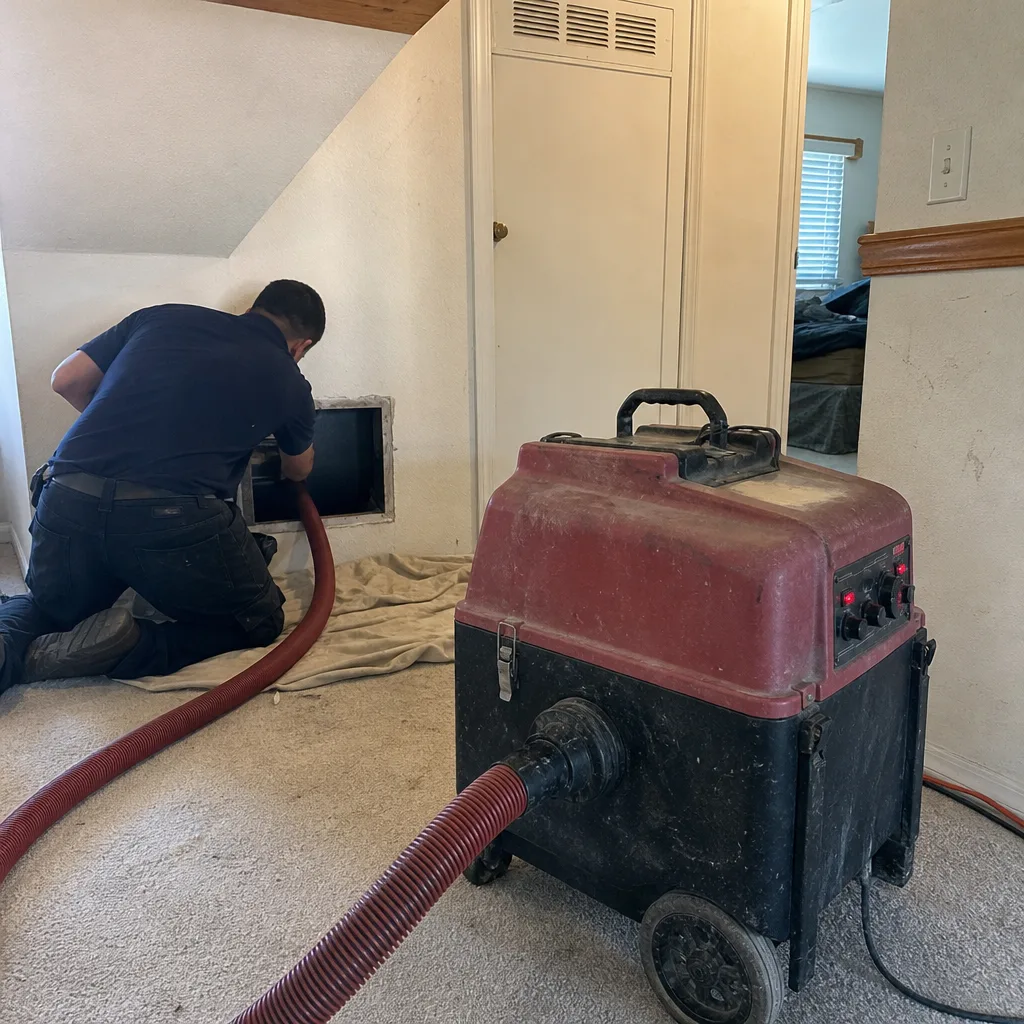 Before
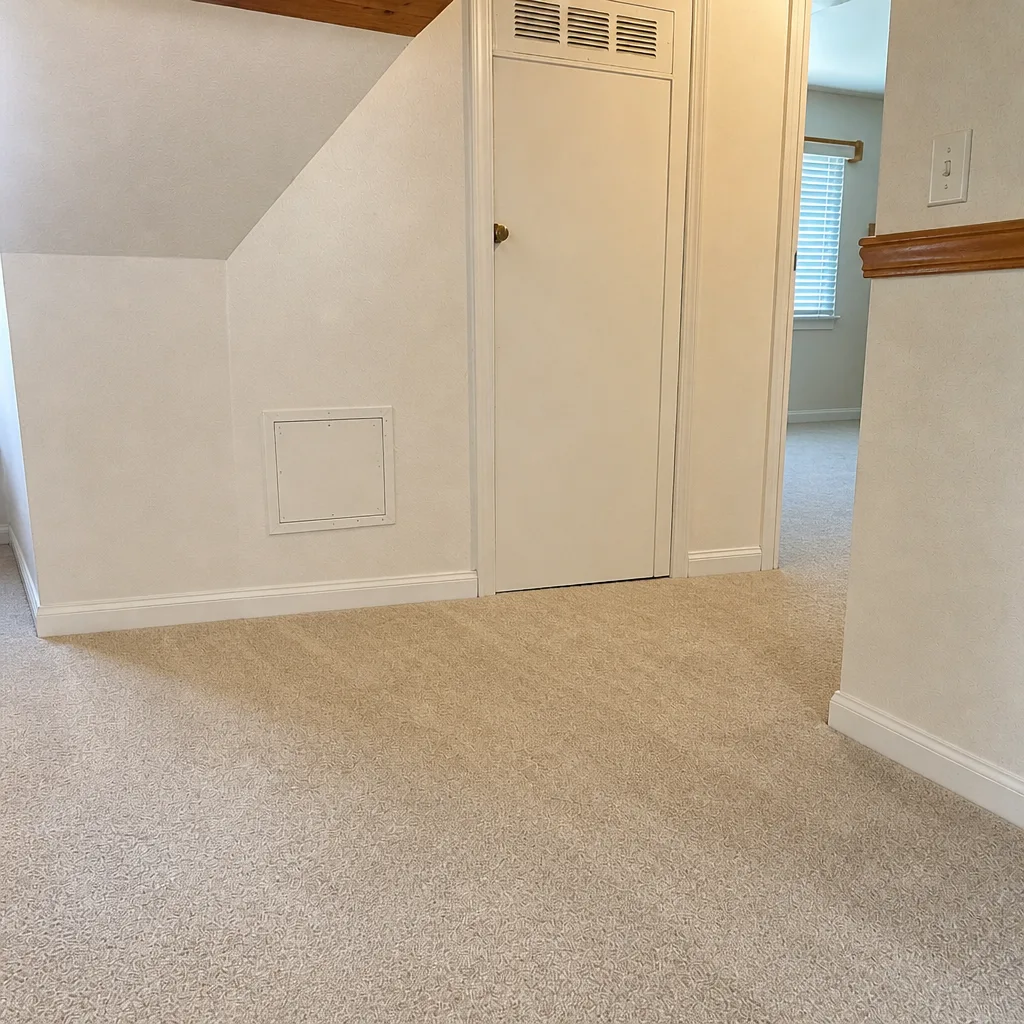 After
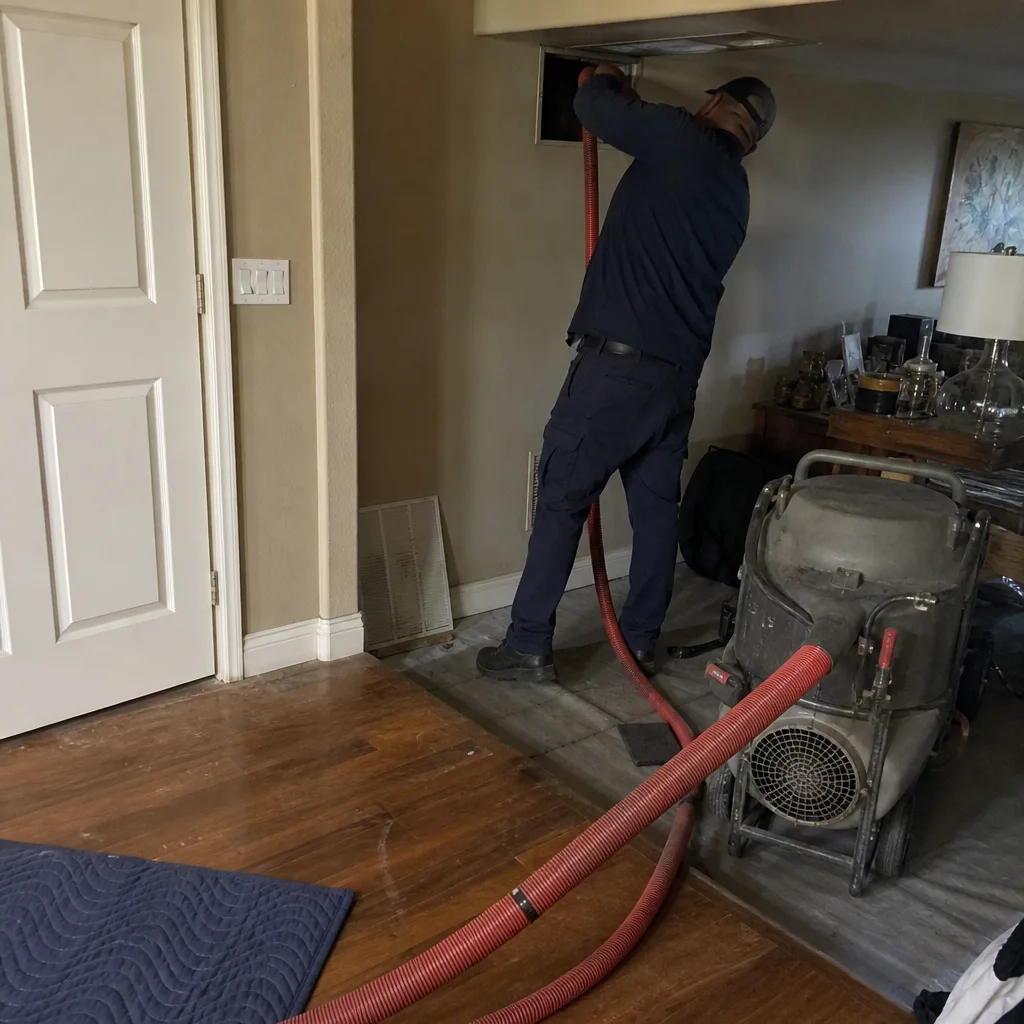 Before
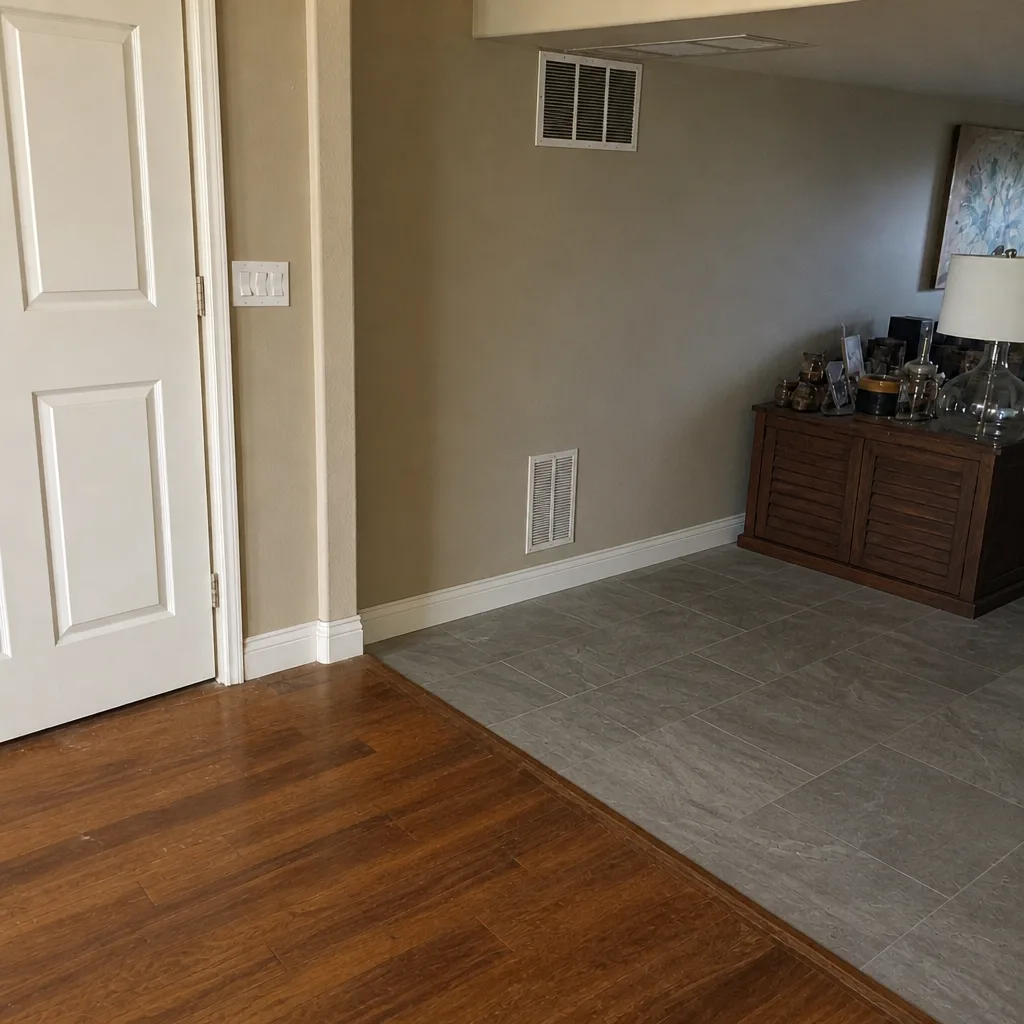 After
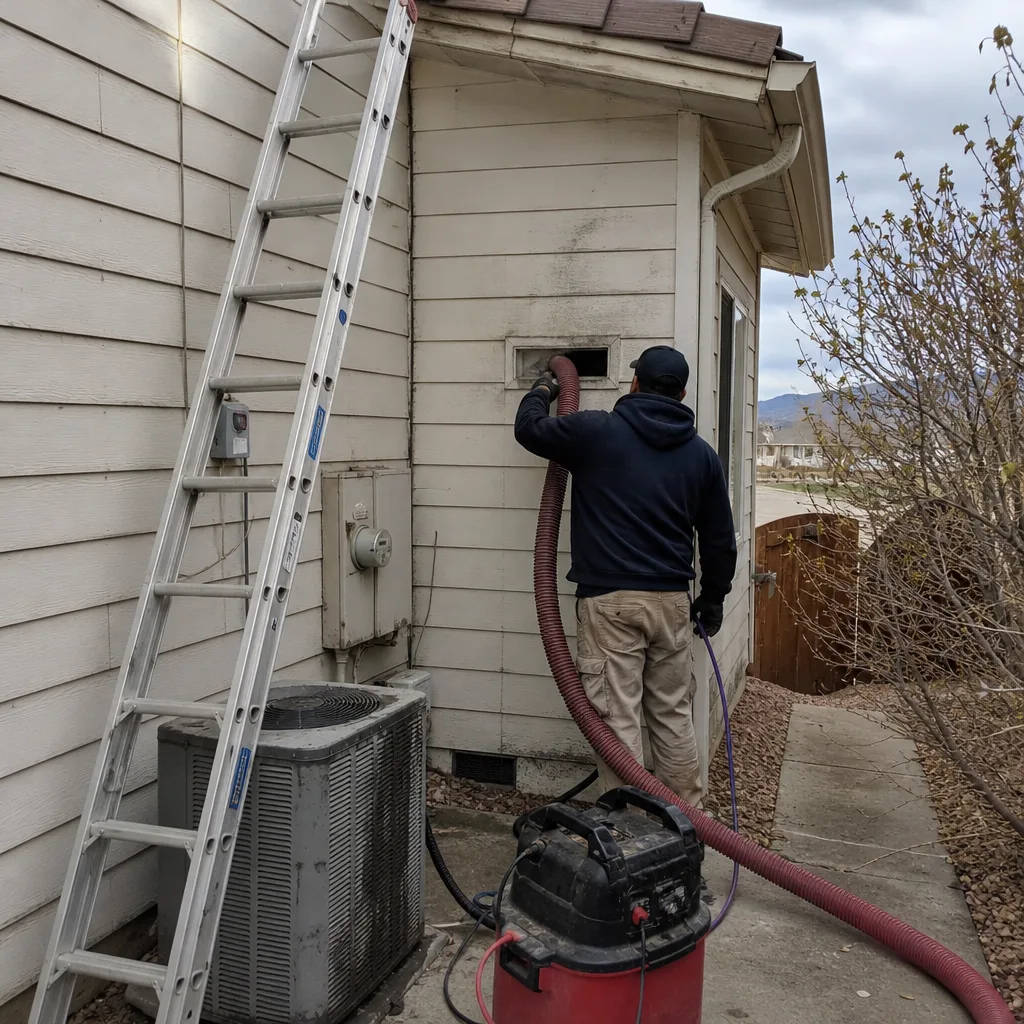 Before
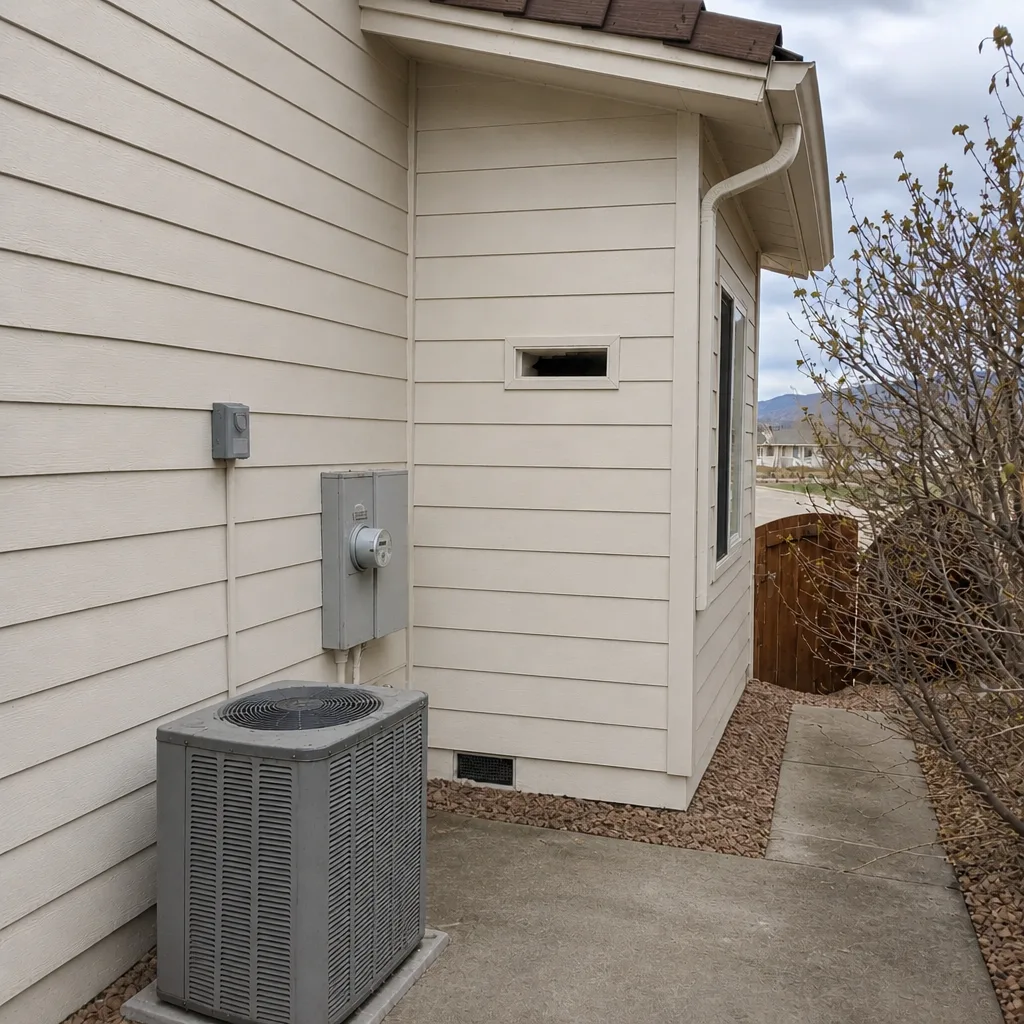 After
When to Call a Professional
Some checks you can run yourself. Some fixes you shouldn’t. Call a professional when you find disconnected or visibly torn ductwork, when two or more of the incomplete-cleaning checks fail, when dust returns within a few weeks of a cleaning, when a musty smell persists after the coil and drain were checked, or when a single vent blows much weaker than its neighbors. Attic duct work involves moving across joists in extreme heat, and a poorly resealed joint is worse than a joint you left alone – you want trained hands up there, not a ladder-and-hope approach. Our technicians have up to 11 years of experience with repairs and cleaning in Paradise, and we can tell you on a free estimate whether the problem is a cleaning job, a repair job, or a call to a different trade. Paradise Duct Cleaning offers free estimates in Paradise – call (866) 330-2124 to book one.
Frequently Asked Questions
Pricing is set per system, by a free written estimate before any work starts – there’s no per-vent price and no teaser coupon rate that changes on site. The estimate covers the full system, and the written estimate is what you pay. If the estimate uncovers duct repair work, that’s quoted separately and clearly. Call (866) 330-2124 for a free estimate – no cost, no commitment.
Cheap quotes usually cover a partial system: supplies only, no attic runs, no return side, no repair capability if a breach is found. The low price is honest for a smaller scope of work. It’s just not the same service. A full-system cleaning has to reach the attic runs and the return side, which is most of the system in a Paradise home. The estimate should state the scope in writing – call (866) 330-2124 if you want to compare what a full-system quote actually includes.
The tell is before-and-after photos of your own ducts, not a promise on a receipt. Ask for them up front. A crew that has Rotobrush or Nikro equipment on-site can shoot the interior of your ductwork before and after, and a crew that used negative-pressure filtration during the job won’t leave your home dustier than it started. If either of those is missing, ask why. Call (866) 330-2124 for a free estimate and to see how the before-and-after works.
It depends on the system, not a fixed calendar. A sealed, functioning system in a Paradise home with a proper filter can go several years between cleanings. A breached system needs repair before any cleaning schedule makes sense. If you’ve had a renovation, moved into a home with unknown history, or notice dust returning fast, timing is a diagnostic question, not a maintenance question. Call (866) 330-2124 to talk it through – the estimate is free.
Rarely. Uneven cooling is almost always a supply imbalance, a crushed flex duct, or an undersized branch – a repair problem, not a cleaning problem. Cleaning the ducts won’t restore airflow to a run that’s collapsed or disconnected. A duct repair visit that reseals joints and replaces failed runs is the right call. Call (866) 330-2124 for a free estimate that diagnoses the cause instead of assuming the fix.
Yes, but the sequence matters. Paradise’s 140°F+ attic heat accelerates flex duct failure, so a cleaning without a repair look is often wasted work. A proper visit checks the attic runs first, repairs what’s failed, then cleans the now-sealed system. Skipping the repair step means the cleaning gets undone by the next heat cycle. Call (866) 330-2124 for a free estimate – it’s the only way to know which order you need.
The Bottom Line
Most air duct problems in Paradise aren’t really cleaning problems. They’re diagnostic problems: dust that comes back is a leak, uneven cooling is a delivery failure, and a musty smell usually lives in the coil or drain, not the ducts. Cleaning is the right answer for a sealed, functional system that’s accumulated debris – and it’s the wrong answer for a breached one. The fix sequence that works in this climate is diagnose, repair, then clean, because Paradise’s attic heat makes flex duct fail faster than in milder markets. If two or more of the checks in this guide fail, or if a symptom has come back after a cleaning, call Paradise Duct Cleaning at (866) 330-2124 for a free estimate. We answer 24/7. Fast dispatch, 7am-7pm, Sunday through Friday.
Written by the team at Paradise Duct Cleaning.