
Last updated November 15, 2026
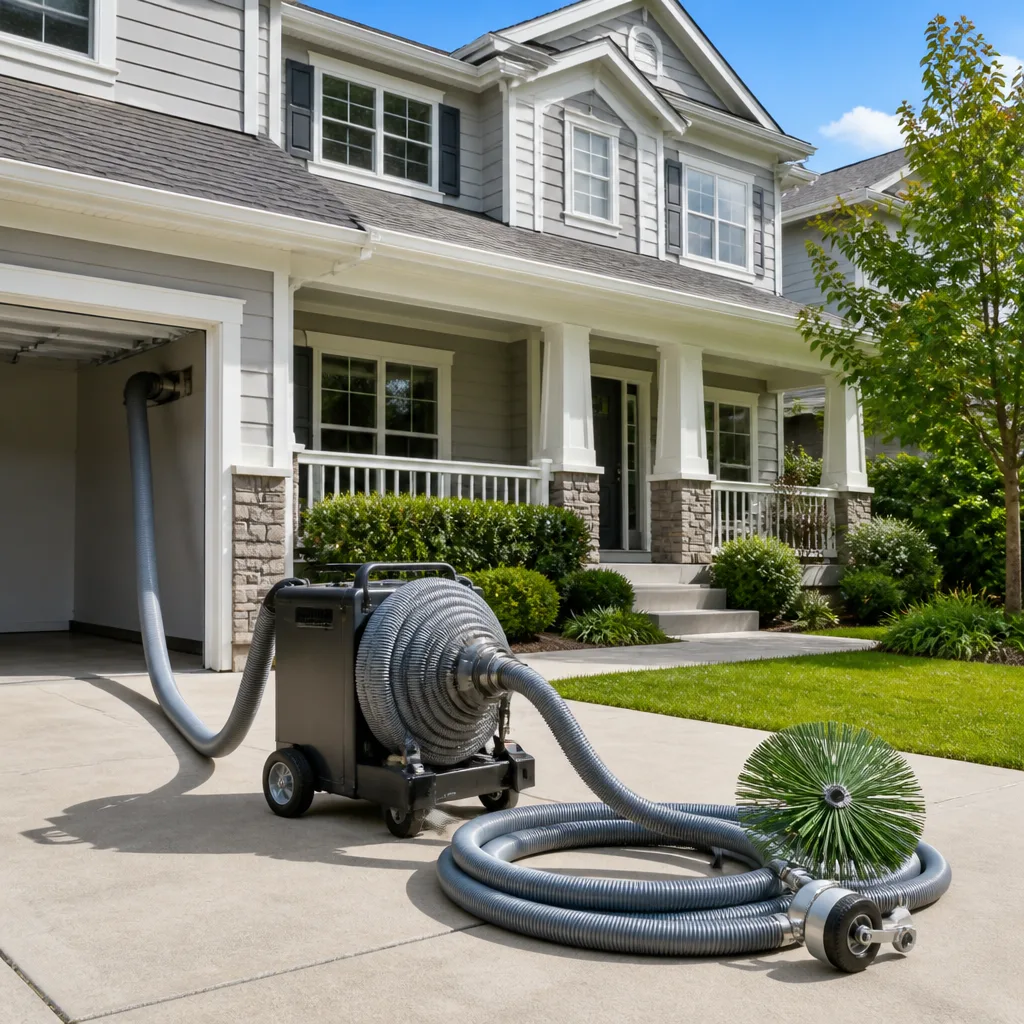 Whole-home duct cleaning
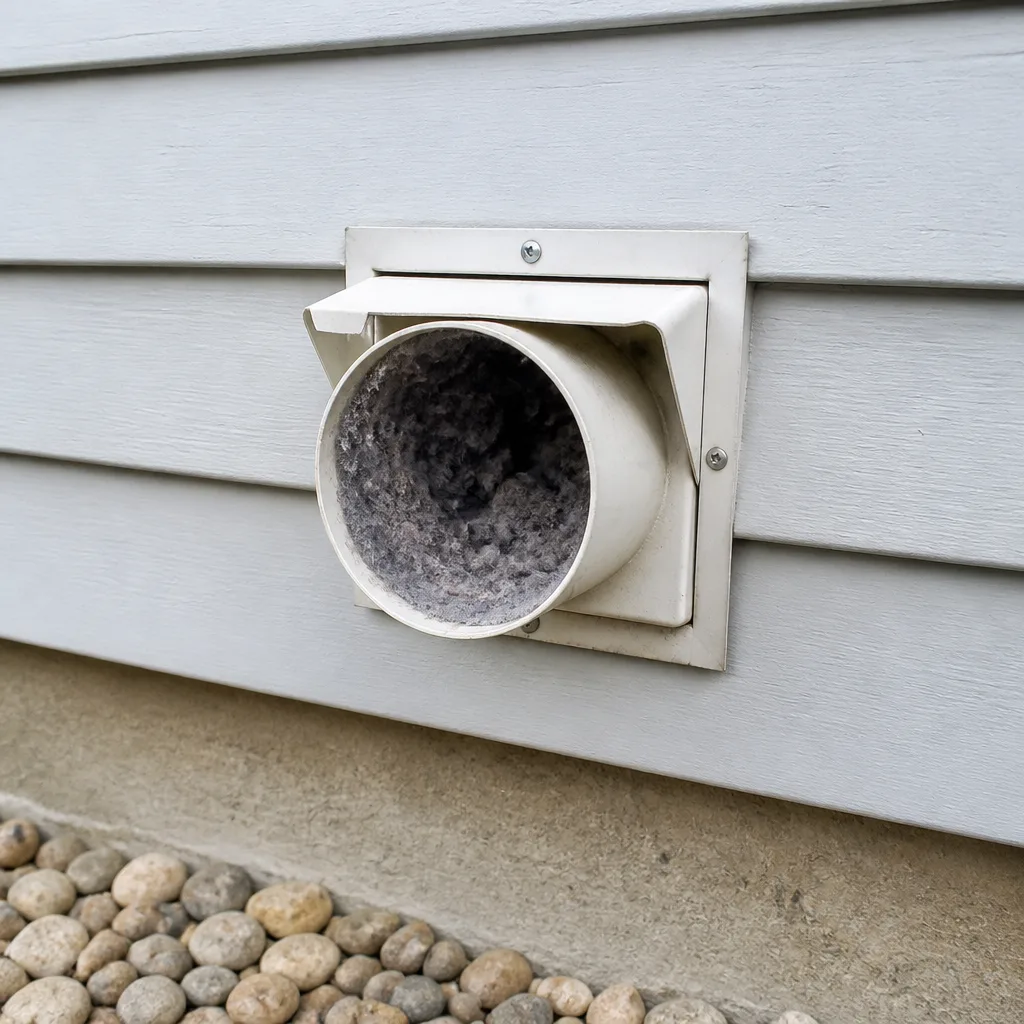 Dryer vent cleaning
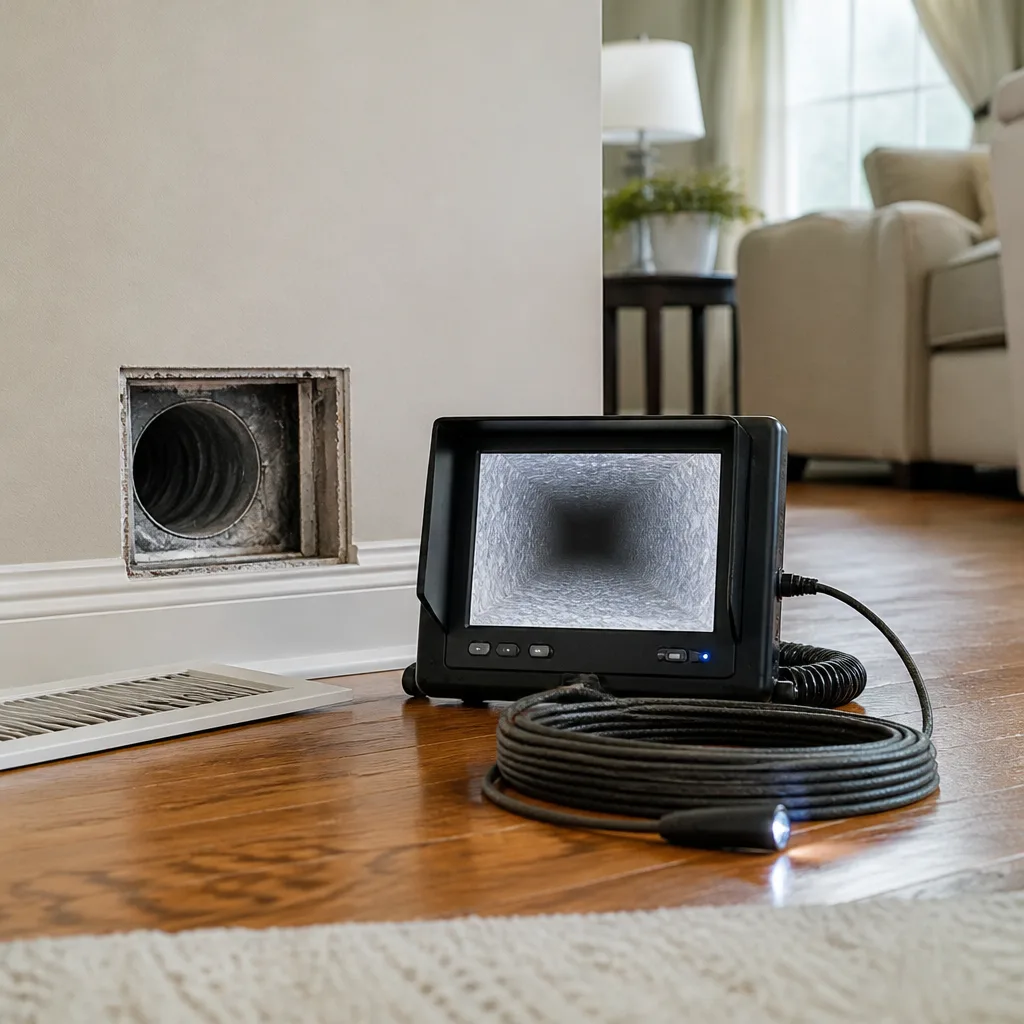 Camera inspection
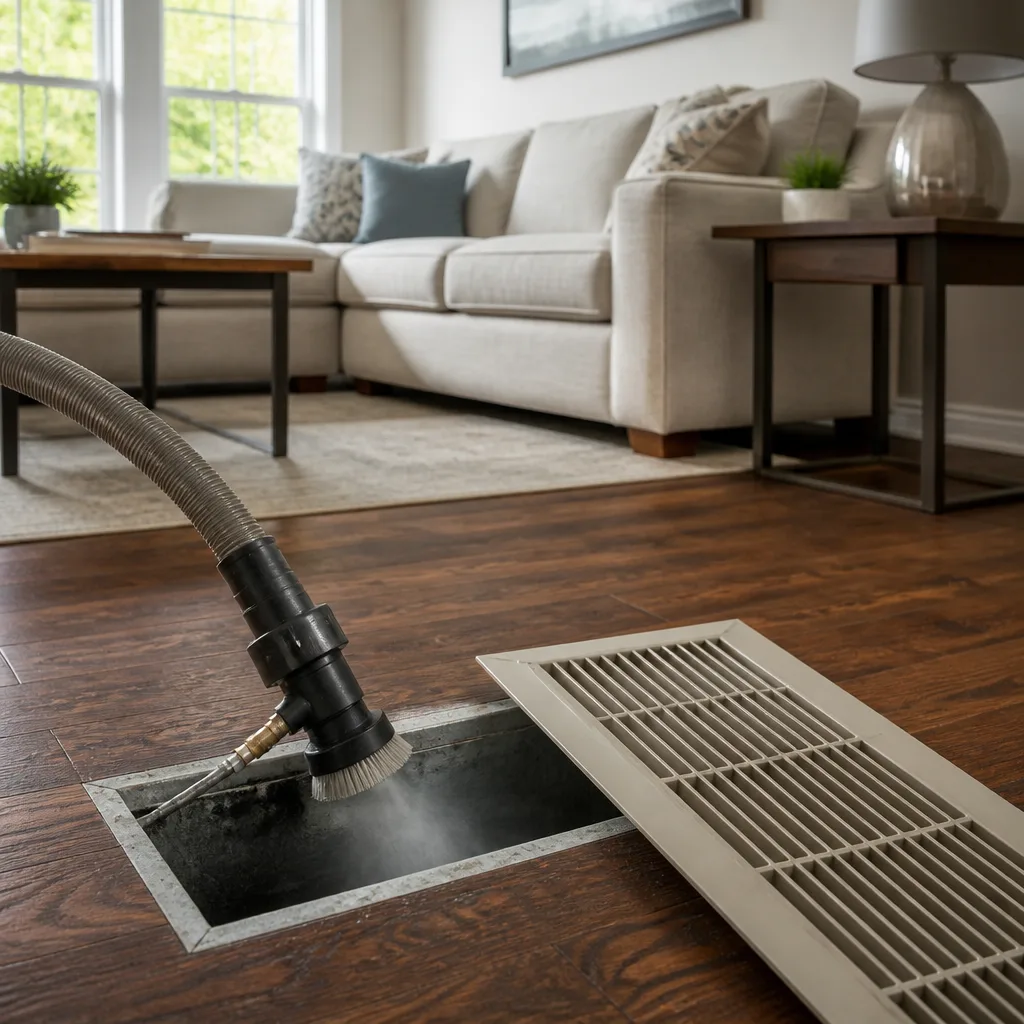 Sanitizing & deodorizing
Whole-system duct and dryer vent check with before-and-after photos - you see exactly what came out of your vents
That "$99 whole-house special" is a bait ad - the real number appears once they are in your hallway, or the "clean" is a shop-vac at the register. We photograph the inside of your ducts before and after instead.
Air Duct Cleaning Maintenance Schedule: What to Do and When
The three-to-five-year cleaning interval that gets repeated everywhere wasn’t written with Las Vegas Valley dust storms, attics that hit 115 degrees, or stucco construction in mind. Follow it blindly and some Paradise homes get cleaned years too late while others pay for cleaning they don’t need yet. Duct contamination here doesn’t run on a calendar. It runs on conditions: a renovation, a new dog, a windy week, a filter that stopped doing its job. This guide replaces the generic rule with a condition-based schedule you can actually use, plus the component timelines that matter in Paradise, and a simple way to track it all.
Quick Answer
There’s no single correct cleaning interval for every home in Paradise. A reasonable baseline for a typical home is every three to five years, but the real trigger is condition, not calendar: schedule an inspection when you’ve had a renovation, added a shedding pet, noticed dust or musty odors at the registers, or after a major dust event. Dryer vents should be cleaned annually, and the air handler is worth a look every two to three years. Let the conditions set the date.
Styles & brands we work with
- Whole-home duct cleaning
- Dryer vent cleaning
- Camera inspection
- Sanitizing & deodorizing
Table of Contents
- Why the Generic Rule Doesn’t Fit Paradise
- The Condition-Based Trigger Matrix
- What Dust Storms Do to Your Duct System
- Filter Maintenance That Extends Cleaning Cycles
- Component-Specific Timelines
- Keeping a Home Air Log
- What a Professional Inspection Involves
- Common Mistakes to Avoid
Why the Generic Rule Doesn’t Fit Paradise
The “clean every three to five years” guidance assumes a temperate climate with moderate dust, moderate humidity, and homes that are sealed most of the year. That’s not Paradise. Here the summers are brutal, the dust is persistent, and the housing stock is full of conditions that accelerate what ends up in your ducts. Our technicians have up to 11 years of experience, and one of the first things they learn is that a home in Paradise can go from “fine” to “needs attention” in a single season.
Three factors make Paradise different. First, the desert itself: fine particulate dust gets drawn into return-air grilles constantly, and it doesn’t behave like the coarser household dust people picture. Second, the heat: attics here regularly reach extreme temperatures, and HVAC systems run hard for months, pulling more air and more debris through the same ductwork. Third, construction: stucco, drywall, and remodeling dust is heavier and more abrasive than ordinary house dust, and in a growing valley there’s almost always a remodel happening on your street.
None of this means every Paradise home needs cleaning every year. It means the calendar shouldn’t be your only signal. A retired couple with two cats in a well-filtered home may stretch five years without trouble. A family that just finished a kitchen addition and lives near an open lot may need a look within a year. The condition-based schedule below tells you which camp you’re in.
The Condition-Based Trigger Matrix
Use these triggers to decide when to book an inspection, regardless of when you last had the ducts cleaned. Any single trigger is reason enough to call; two or more at once and you should schedule promptly. This is where a generic calendar falls short and why we wrote this guide around conditions instead.
- Renovation dust: Any remodel, drywall repair, floor refinishing, or addition. Drywall dust and sawdust migrate into the return system and settle. Book within a month of finishing.
- New pet or a shedding season: A new dog or cat, or a pet that’s blowing coat. Pet dander and hair load up the ducts faster than most people expect.
- Allergy flare-ups: If one or more people in the home suddenly notice more sneezing, itchy eyes, or respiratory irritation indoors, the ducts deserve a look before assuming it’s seasonal.
- Visible mold or moisture at registers: Discoloration, musty smell, or condensation around a vent is an immediate trigger. Stop and call rather than wait.
- Post-storm infiltration: After a major dust or high-wind event, especially if you find grit on window sills and door thresholds. Inspect within 48 hours.
- New home purchase: You don’t know the previous owner’s cleaning history. One inspection right after moving in settles it.
- Pest activity: Rodent or insect activity in the ductwork is a trigger on its own and needs a professional assessment, not a filter change.
We always tell Paradise homeowners: if you’re unsure whether a trigger applies, call. A free estimate is a low-cost way to find out you don’t need the work yet, and that answer is worth having.
What Dust Storms Do to Your Duct System
The Las Vegas Valley gets haboobs and high-wind events, and the fine dust they carry is the single biggest reason Paradise duct systems load up faster than the generic schedule predicts. Even a duct system with only minor leakage at joints, boots, or a disconnected run becomes an entry point during a sustained wind event. The system doesn’t have to be badly compromised; small gaps that are harmless on a calm day get pressurized by wind-driven dust.
Here’s what we recommend after a major dust event:
- Wait 48 hours after the storm clears. That’s the smart inspection window: dust has settled, the system has run through a cycle or two, and any infiltration has had a chance to show up at registers and filters.
- Check your filter first. A filter that loaded up during the storm restricts airflow. Replace it before running the system hard.
- Look for grit at registers and thresholds. Fine dust on sills and around return grilles is a sign infiltration reached the interior.
- Listen for new noise. A whistling or rattling duct after a wind event can mean a joint opened up or a run came loose.
- Book an inspection if you found grit or noise. A pro can confirm whether the system needs cleaning, a repair, or both.
If you find the infiltration was substantial, your air duct cleaning service should include capturing loosened debris, not just blowing it around. That’s where equipment matters, which we cover below.
Filter Maintenance That Extends Cleaning Cycles
Filter discipline is the cheapest way to stretch the time between cleanings, and it’s the one most Paradise homeowners get wrong. Too restrictive a filter chokes airflow in a system that already works hard; too loose a filter lets fine dust straight through to the ducts and the air handler. The right answer is a balance tuned to the desert.
A MERV 8 to MERV 11 filter is a sensible range for most homes in Paradise. MERV 8 stops most of the debris that would load your ducts without overworking the blower. MERV 11 catches finer particles, useful if anyone in the home has allergies, but check that your system is rated for the higher restriction, because some older units aren’t. Going straight to a very high MERV rating in a hot desert climate is a common mistake: the filter catches more but also chokes the airflow, and the system pays for it in efficiency and wear.
On intervals, our general guidance:
- Standard 1-inch filters: check monthly, replace at least every 60 to 90 days, and more often during high-dust seasons or after a wind event.
- Thicker 4-inch or 5-inch media filters: typically every six months, though a monthly check is still wise.
- After renovation or a major dust storm: replace regardless of how new the filter is.
Write the replacement date on the filter frame. It’s the simplest habit that pays off, and it keeps your cleaning cycle honest. If you’re considering a whole-home air quality upgrade, we work with Honeywell and Aprilaire product lines and can point you toward what suits your system, though filter basics come first.
Component-Specific Timelines
Your duct system isn’t one thing on one schedule. Different components have different timelines, and treating them separately keeps you from over-cleaning some parts and neglecting others.
Full duct system (supply and return): condition-based, not calendar-based. Use the trigger matrix above. For a home with no triggers, three to five years is a reasonable outer interval; for a home hitting triggers regularly, sooner.
Air handler and coil area: every two to three years, and anytime you have the ducts cleaned, look inside the air handler cabinet. Dust and debris accumulate there even when the ductwork is reasonably clean, and a dirty coil works harder in Paradise heat.
Dryer vent: annually. This is not a duct-cleaning trim; it’s a fire-safety service. Lint buildup in a dryer vent is a documented fire cause, and we treat dryer vent cleaning as its own dedicated service for exactly that reason. Some homes with heavy laundry use benefit from a check sooner.
Registers and grilles: vacuumed at every cleaning, but check them yourself monthly for visible dust, mold, or debris.
Duct joints and connections: inspected whenever the ducts are cleaned, and repaired if found compromised. This is where our repair capability matters. Cleaning a leaking system without fixing it means you’ll be cleaning again sooner than you should. If a joint has opened, Paradise homeowners deserve a fix, not just a vacuum.
Keeping a Home Air Log
The single most useful thing you can do between service calls is keep a simple log. It makes every future call faster and more accurate, and it helps you spot patterns you’d otherwise miss. Nothing fancy required: a notes app on your phone or a sheet on the fridge both work.
Record these entries as they happen:
- Filter changes. Date and MERV rating. This one habit alone tells you whether your filter schedule is realistic.
- Trigger events. Renovations, new pets, major dust storms, roof work, pest sightings.
- Symptoms you notice. More dust at registers, musty smell, new noise from the system, allergy flare-ups.
- Service dates and what was done. Cleaning, repair, dryer vent service, anything else.
- Photos. A phone photo of the inside of a register or the air handler before and after service is worth more than a paragraph of notes.
When you call us, that log turns a vague “I think it might be time” into a specific question we can answer with a free estimate. It also protects you from a hard sell: a log that shows you cleaned the ducts two years ago and changed filters diligently is real evidence.
What a Professional Inspection Involves
If you’ve never had a professional look at your ducts, it helps to know what a real inspection actually covers. A meaningful inspection isn’t a flashlight glance at a register. It’s a system-level assessment, and it’s the foundation of any honest cleaning recommendation.
At a typical inspection, a pro will:
- Open the air handler and check the blower, coil area, and cabinet for debris and growth.
- Look inside supply and return runs at representative locations, not just one or two.
- Check joints, boots, and connections for disconnection or leakage.
- Assess filter condition and whether the rating is appropriate for the system.
- Look for moisture, mold, or pest evidence at any visible access point.
- Show you what they find, ideally with photos, before recommending any work.
This is where equipment separates companies. A proper cleaning job uses professional-grade machinery like Rotobrush and Nikro systems, and Abatement Technologies air filtration to capture loosened contaminants during the job rather than recirculating them into the home. If a quote doesn’t mention how they’ll capture what they loosen, ask. Cleaning that doesn’t control the debris isn’t cleaning.
We’re the full-service option: Paradise Duct Cleaning cleans, repairs, and protects the whole air delivery system, so one inspection can cover cleaning and any repair your system needs. Everyone gets a written estimate before any work starts, with one flat price per system rather than per-vent charges.
Common Mistakes to Avoid
- Treating three to five years as a rule. It’s a baseline, not a schedule. A renovation or a major dust event resets the clock in Paradise.
- Going straight to the highest MERV filter available. Fine dust gets caught, but airflow gets choked. In desert heat with a hard-working system, a MERV 8 to MERV 11 is usually the smarter call. Match the filter to the system, not to the marketing.
- Cleaning the ducts without fixing the leaks. A leaking system just gets dirty again. If joints or runs are compromised, repair is part of the job. Cleaning-only companies will often leave this for you to discover later.
- Skipping the dryer vent because the laundry still dries. A dryer that still works isn’t the same as a safe vent. Lint is a fire risk long before your clothes stop drying. Treat it as an annual safety service, not an optional add-on.
- Ignoring the 48-hour window after a dust storm. The inspection window after a major wind event is short. Waiting weeks means you’re living with infiltration you didn’t need to.
- Never checking the air handler. A coil and cabinet that load up with dust and debris runs inefficiently and can mask bigger problems. A look every two to three years catches it early.
- Booking on price alone. A very low quote usually means consumer-grade equipment, per-vent pricing, or a “cleaning” that never touches the heart of the system. Ask what equipment they use before you commit.
See the difference
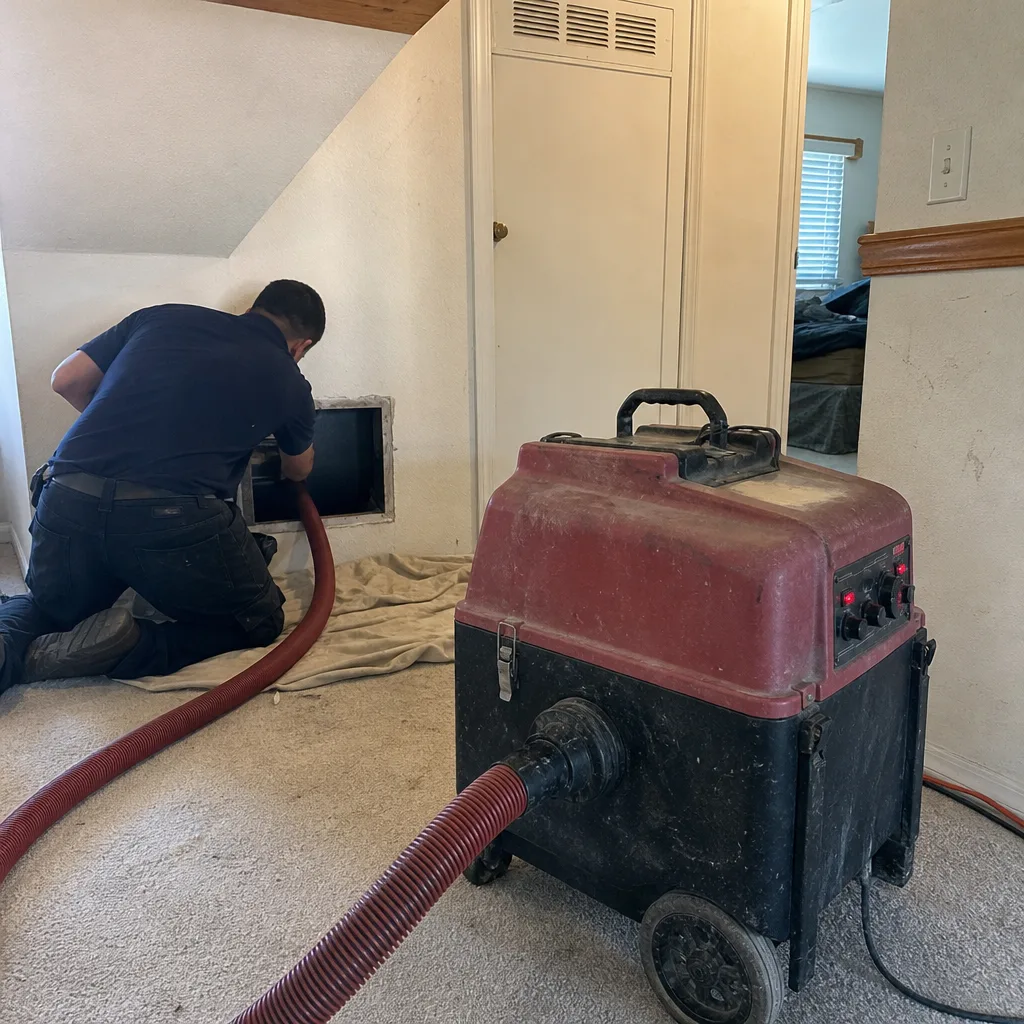 Before
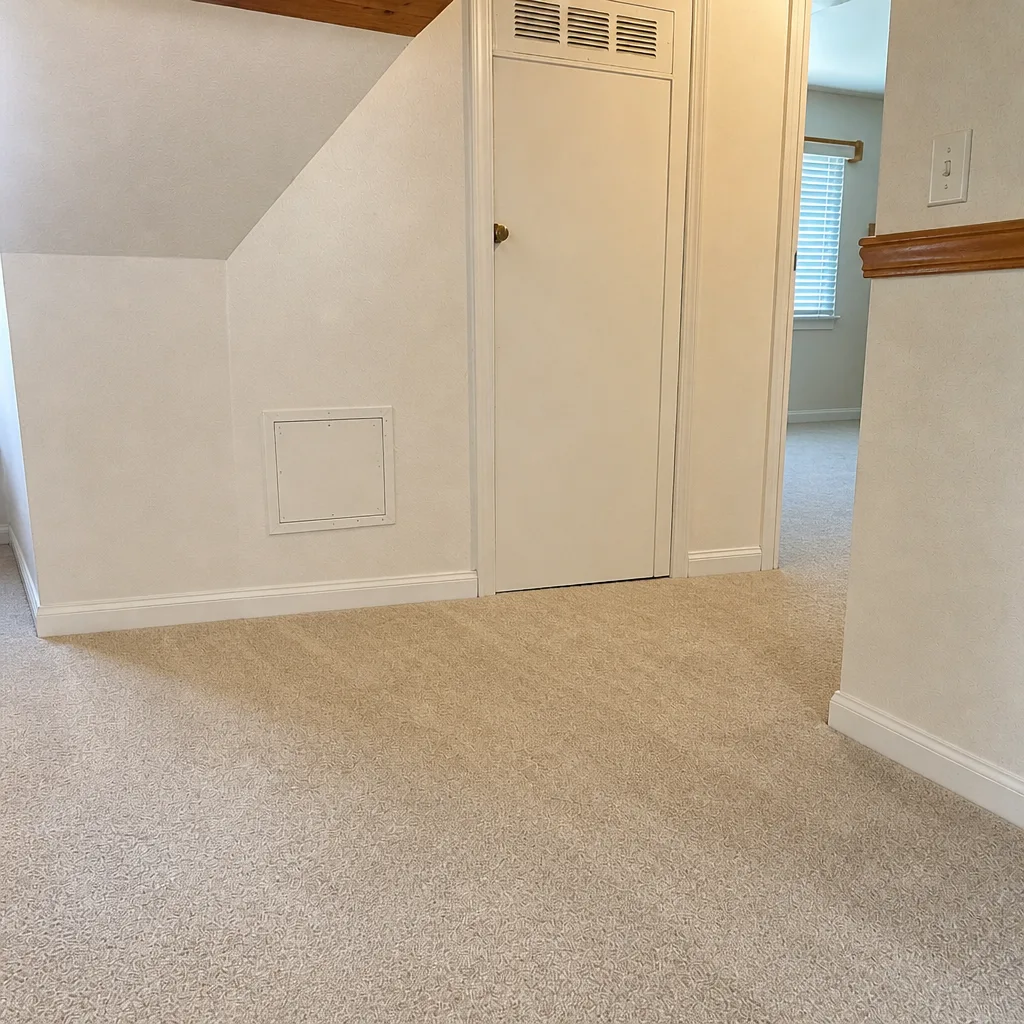 After
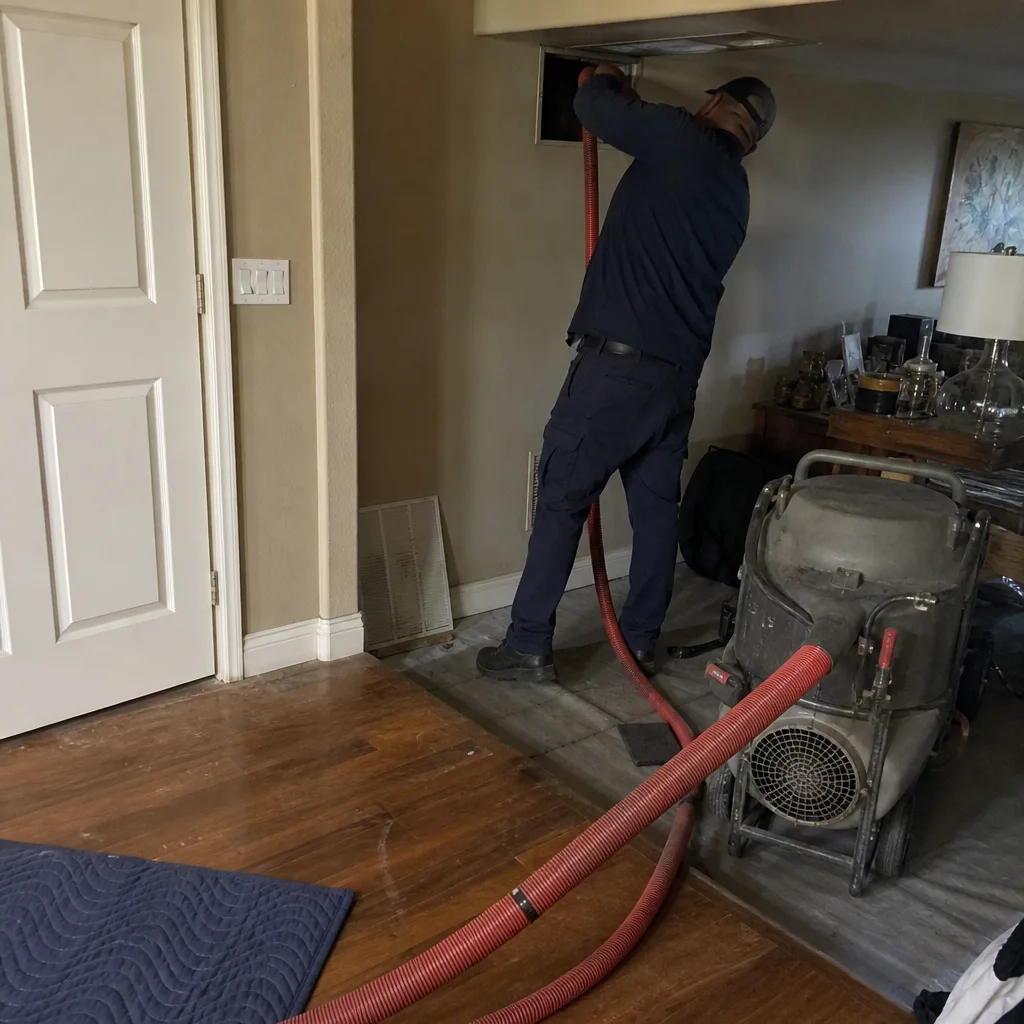 Before
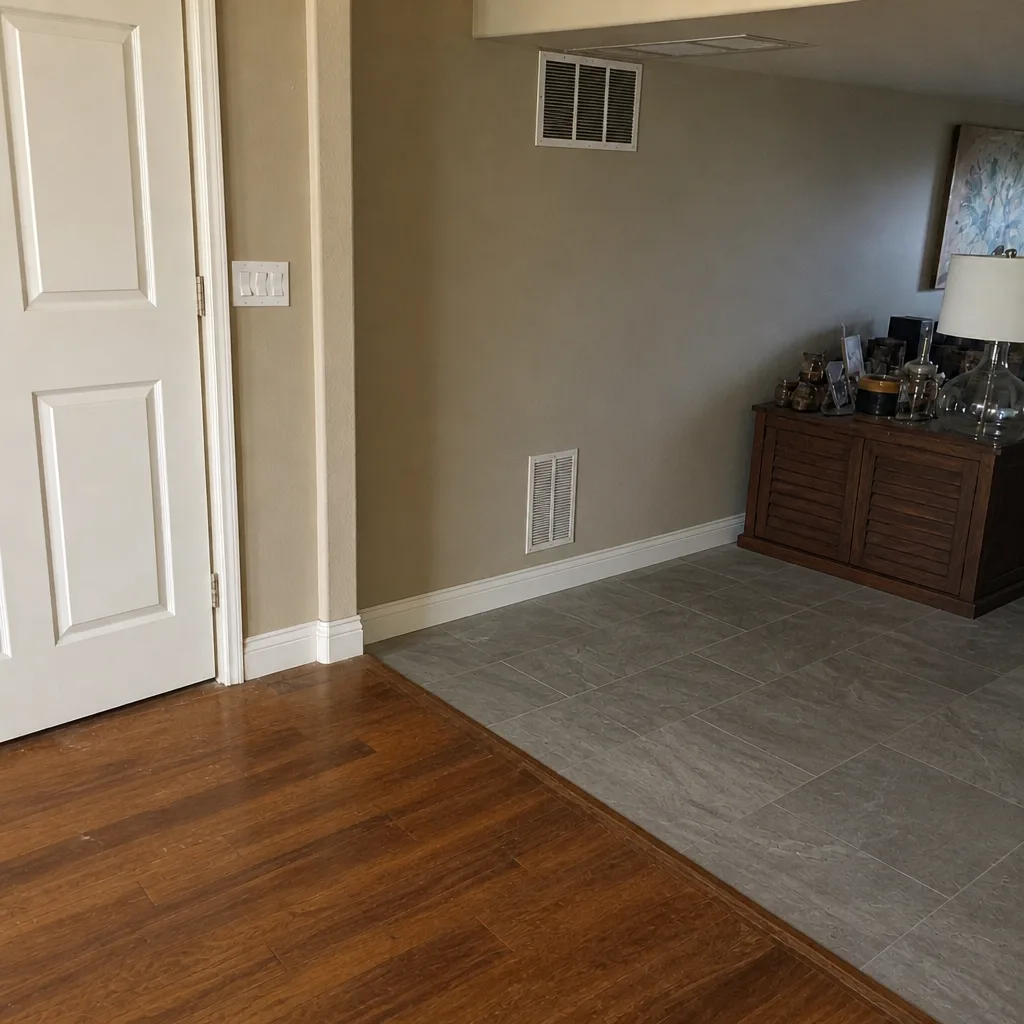 After
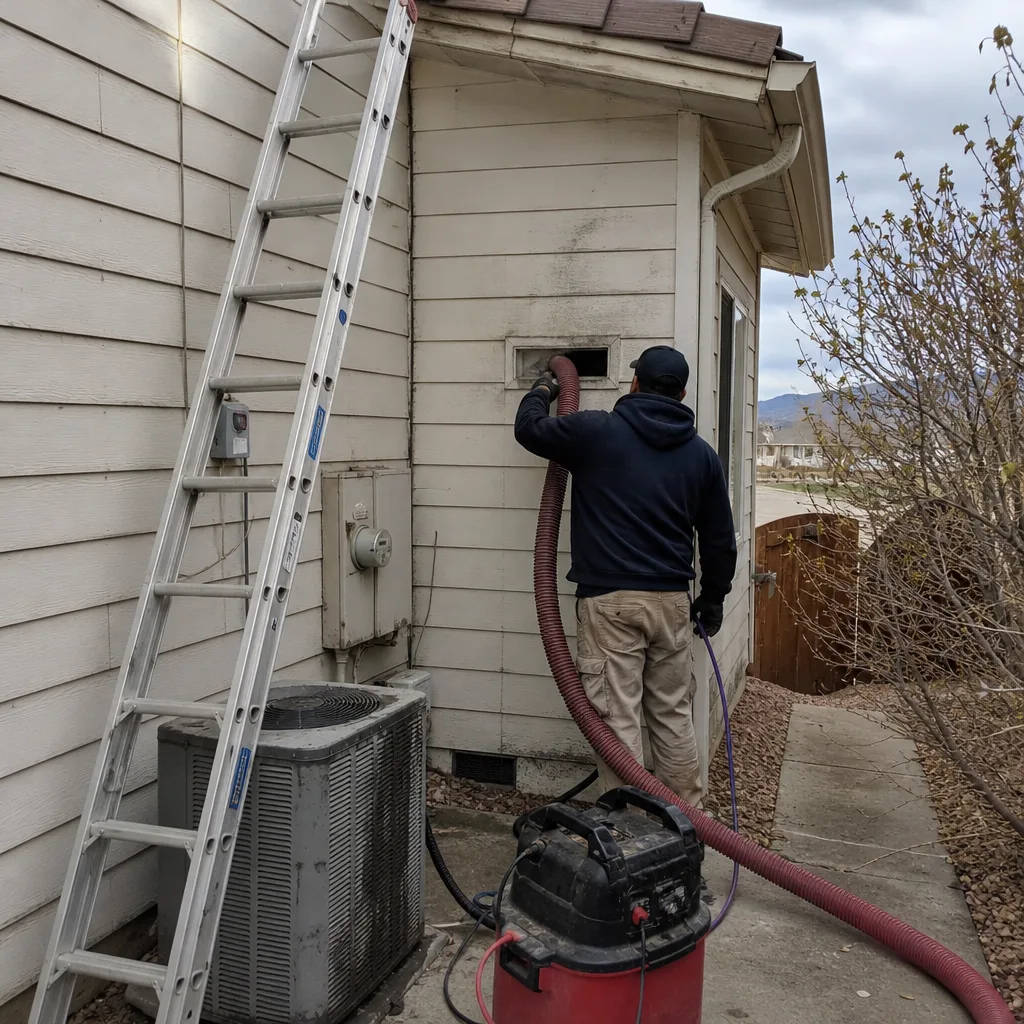 Before
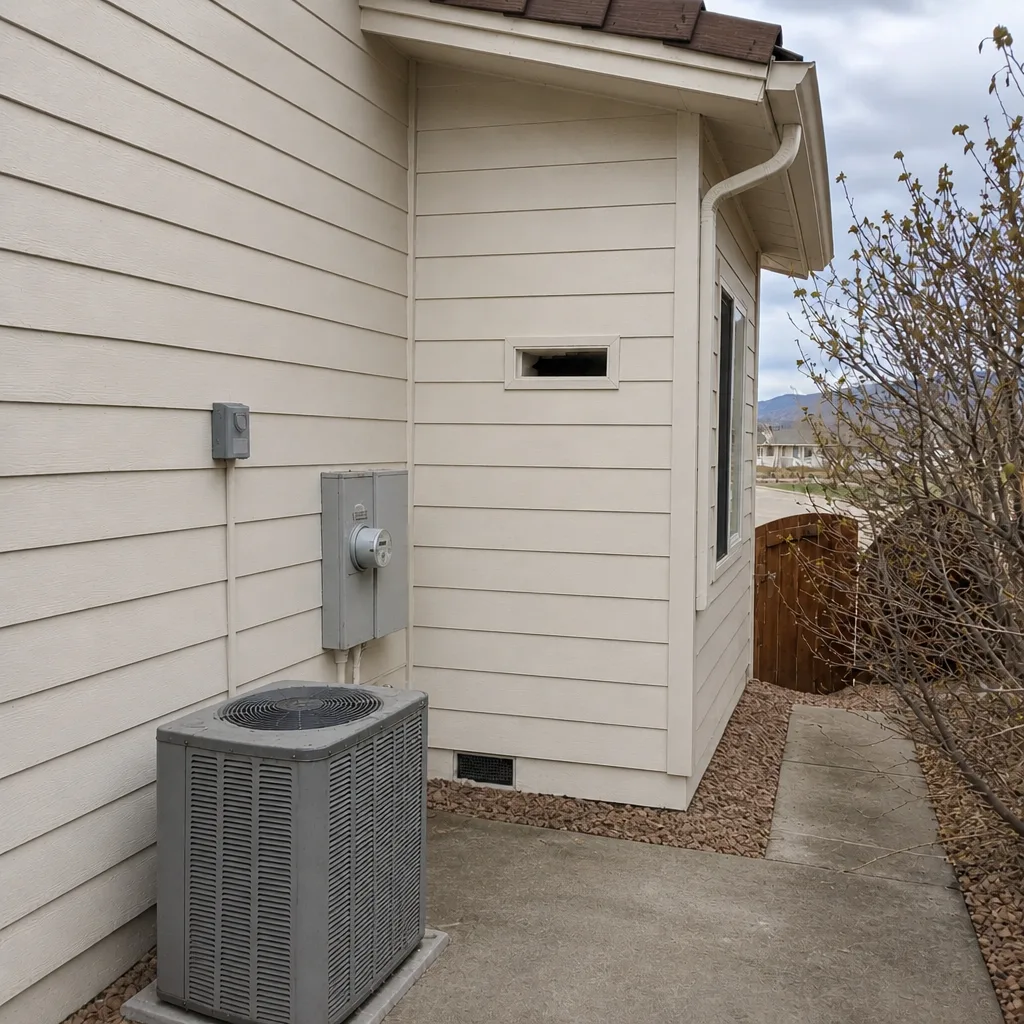 After
When to Call a Professional
Most of this guide is about timing, but a handful of situations are not “wait and see.” Call a professional if you see visible mold inside a register or on duct surfaces, if you smell a persistent musty odor from the vents, if you can see loose or disconnected ductwork, if you hear whistling or rattling that started after a wind event, if you’ve had pest activity in the system, or if anyone in the home has unexplained respiratory symptoms that seem tied to time indoors. Our technicians have up to 11 years of experience with all of it, and our repair capability means a compromised system gets fixed, not just cleaned. Paradise Duct Cleaning offers free estimates in Paradise. Call (866) 330-2124. We answer 24/7. Fast dispatch from 7am to 7pm, Sunday through Friday.
Frequently Asked Questions
The honest answer is condition-based, with a three-to-five-year baseline for a hassle-free home. Paradise homes often need attention sooner because of dust events, heat, and construction dust; any of the triggers in this guide resets the clock. Call (866) 330-2124 for a free estimate and a straight answer about your specific system.
Whole-system cleaning is priced per system, not per vent, with one flat price agreed in a written estimate before work starts. That gives you a firm number to plan around. Call (866) 330-2124 for an exact quote; estimates are free.
Cheap quotes usually mean consumer-grade vacuums, a per-vent pricing trick, or a job that never touches the air handler. Our work uses Rotobrush and Nikro systems and Abatement Technologies filtration to capture what gets loosened, and we photograph before and after so you can see the difference. Call (866) 330-2124 to see what a proper job involves.
Ask for before-and-after photos of your own ductwork and a written description of what was cleaned. A professional job should show you the air handler and representative runs. If the company can’t provide evidence, that’s your answer. Call (866) 330-2124 and we’ll walk you through our process.
Yes, annual dryer vent cleaning is the safe default, and it’s a dedicated service for us, not an upsell. Lint in the vent is a documented fire cause. Call (866) 330-2124 to book a dryer vent service.
MERV 8 to MERV 11 is the sensible range for most Paradise homes, matched to what the system can handle. Going higher chokes airflow. We can advise on something like a Honeywell or Aprilaire filter that fits your system. Call (866) 330-2124 with your unit details.
The Bottom Line
The universal three-to-five-year rule ignores what makes Paradise different: dust events, extreme heat, and construction dust that load ducts faster than a calendar expects. Clean on condition, not just on the clock. Use the triggers: renovation, new pet, allergy flare-up, mold at registers, post-storm grit. Handle components on their own timelines: dryer vent annually, air handler every two to three years, full system by trigger. Keep a simple home air log so every future call is faster. And when something doesn’t look right, call a pro. Clean ducts, fixed ducts, healthy air; that’s the whole point.
Call (866) 330-2124. We answer 24/7. Fast dispatch from 7am to 7pm, Sunday through Friday. Free estimates, one flat price per system agreed before work starts, and before-and-after photos of your own ducts.
Written by the team at Paradise Duct Cleaning.