
Last updated November 15, 2026
 Whole-home duct cleaning
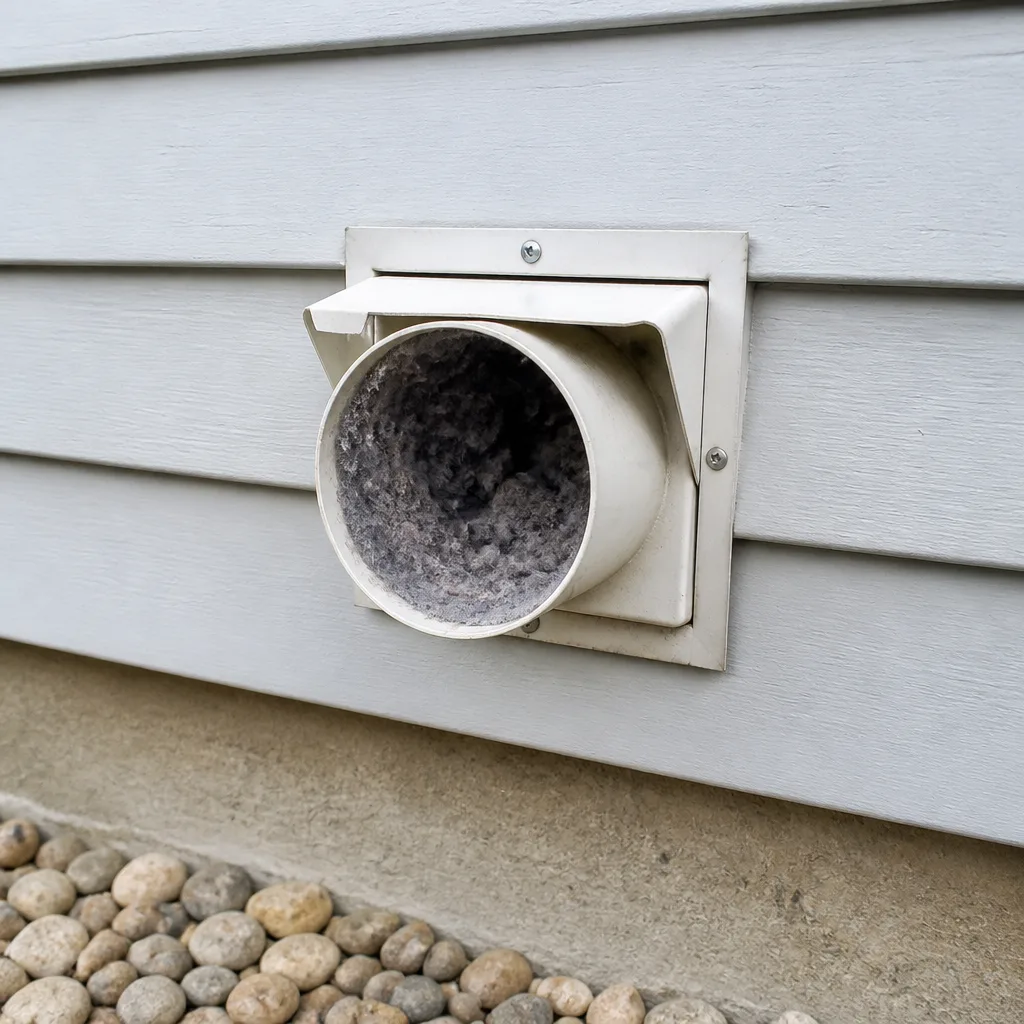 Dryer vent cleaning
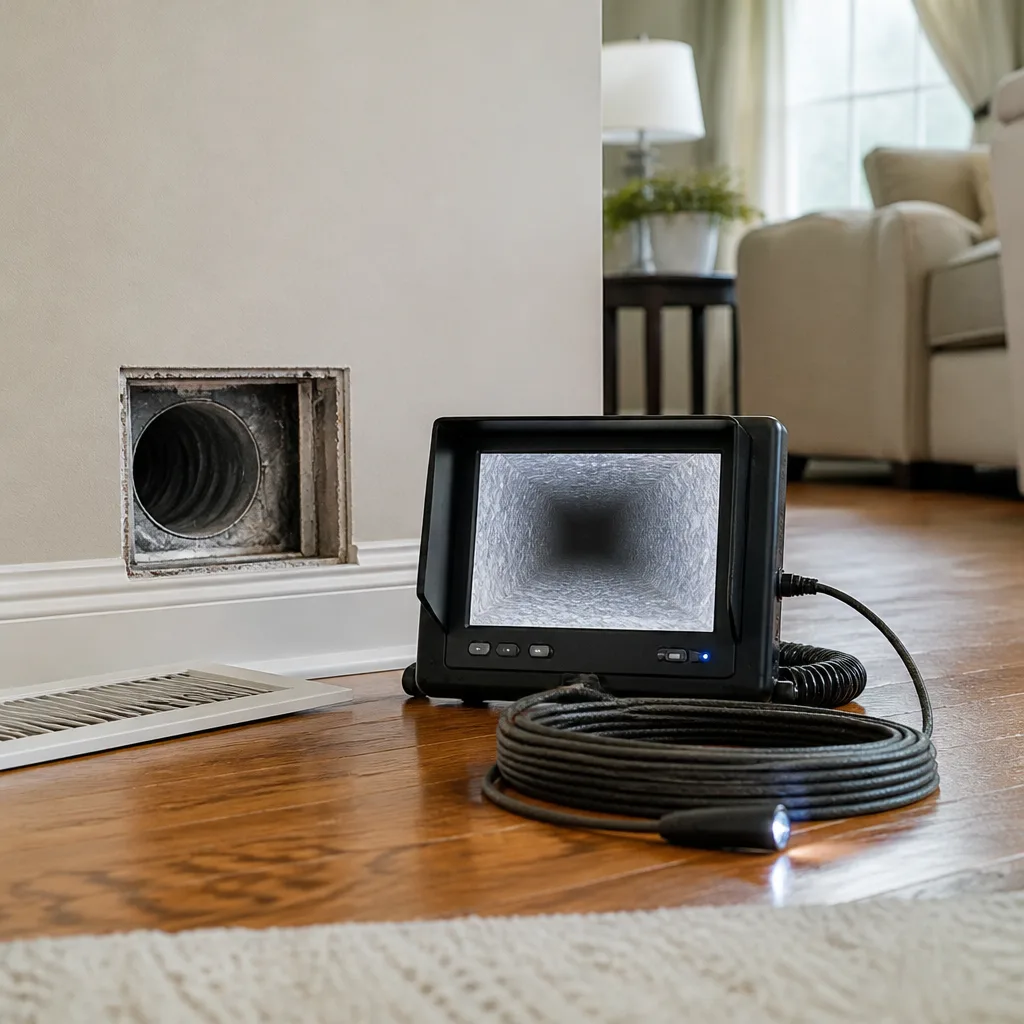 Camera inspection
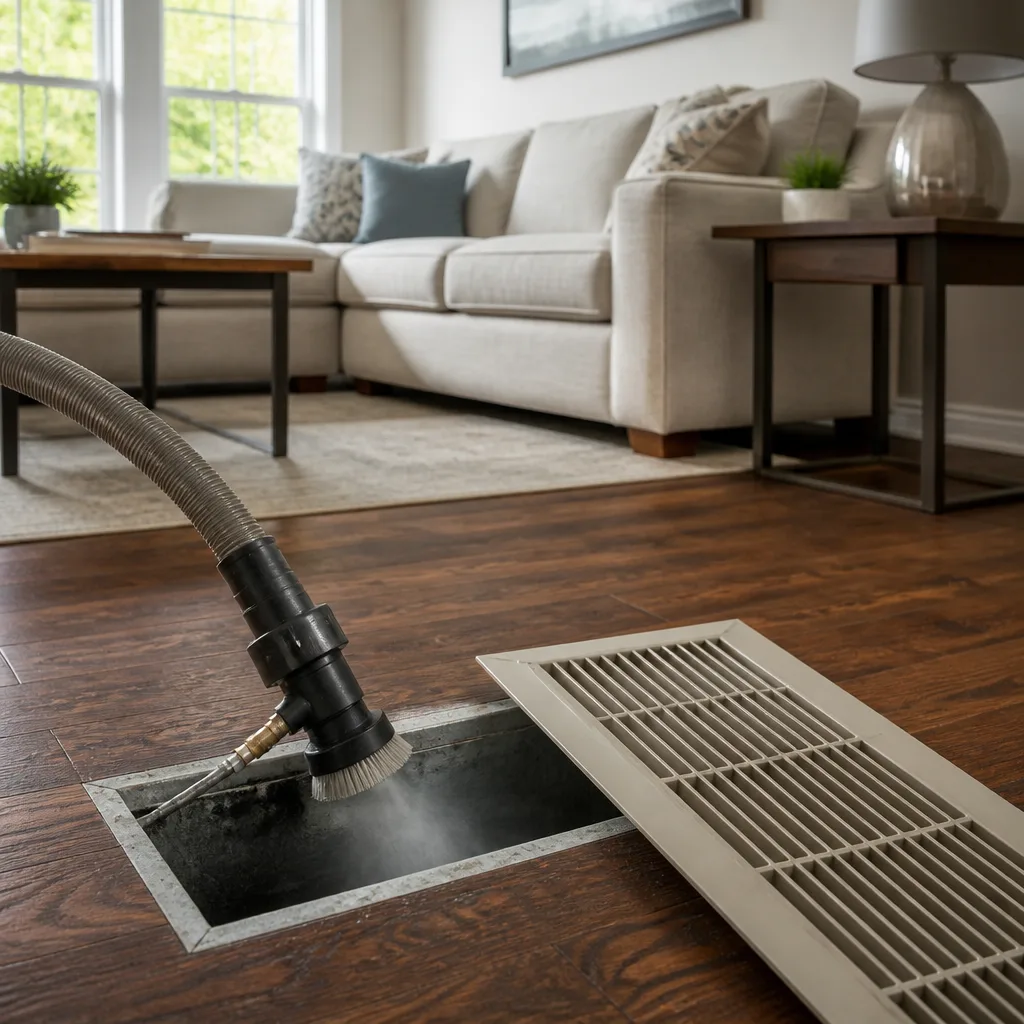 Sanitizing & deodorizing
Whole-system duct and dryer vent check with before-and-after photos - you see exactly what came out of your vents
That "$99 whole-house special" is a bait ad - the real number appears once they are in your hallway, or the "clean" is a shop-vac at the register. We photograph the inside of your ducts before and after instead.
Air Duct Cleaning Warning Signs: A Paradise Homeowner’s Reference Guide
Dust settling back onto a freshly wiped shelf two days later isn’t a cleaning problem. It’s a message. And most Paradise homeowners answer it with another pass of the cloth, which is a bit like painting over a water stain. The real signal is coming from the duct system, and it’s quietly telling you what’s wrong with your home’s air delivery. Some of the most telling signs in a Paradise house are subtle enough that people file them under “just how the house is” for years until the fix gets expensive. This guide walks you through what to look at, what the patterns mean, and when cleaning alone won’t solve it.
Quick Answer
The main warning signs that a Paradise home needs duct attention are visible dust streaks at registers, uneven room-to-room airflow, unexplained rises in your energy bill, musty or burning odors from vents, and allergy symptoms that don’t track with pollen season. If you also notice sagging or disconnected flex duct or torn insulation in the attic or crawlspace, the problem is duct damage and cleaning alone won’t fix it. Cleaning restores airflow; repair restores the system.
Styles & brands we work with
- Whole-home duct cleaning
- Dryer vent cleaning
- Camera inspection
- Sanitizing & deodorizing
Table of Contents
- Five Visual Signs You Can Spot Without Any Tools
- What Your Energy Bill Is Actually Telling You
- Smell-Based Indicators: Musty, Burning, Chemical
- Health Patterns Worth Connecting to Air Quality
- Why Paradise’s Desert Climate Changes the Timetable
- Signs That Cleaning Isn’t Enough
- What Professional Equipment Actually Catches
- Common Mistakes to Avoid
Five Visual Signs You Can Spot Without Any Tools
You don’t need a moisture meter or a camera to read the first layer of evidence. These five signs are visible during a normal walk through the house, and each one points to a different part of the duct system.
- Dark rings or streaks around the register grilles. These form where dust-laden air is pushed past a slightly loose grille. It’s an airflow and seal signal, not just a dirt signal.
- Dust accumulating on the ceiling directly above a supply register. If air is escaping up instead of out into the room, dust settles where it lands. Ceiling dust in a straight line above a vent is the fingerprint of a leaky supply boot.
- Visible dark buildup on the return grille’s face. The return pulls air back through the filter. A face that turns dark in weeks rather than months tells you the filter is overwhelmed or bypassing its frame.
- Uneven dust in one room, not the whole house. A single dusty bedroom when the rest of the house is fine almost always points to one compromised run of ducting.
- Discolored or stained flex duct visible through attic or crawlspace access. Dark streaks on the exterior jacket of flexible ducting mean air and moisture have been moving where they shouldn’t.
When several of these show up together, the system is sending a clear signal. It’s worth reading. Our air duct cleaning process starts by walking the same signs with the homeowner, so the plan is built around what the house actually needs.
What Your Energy Bill Is Actually Telling You
Energy bills bounce around for a lot of reasons, so it’s the pattern that matters, not a single high month. Duct leakage and blockage usually show up as a slow, steady climb during peak cooling season with no matching change in how the house is used.
Here’s the useful distinction. A house with a leaky duct system runs the air handler longer to hit the thermostat setting because a chunk of the cooled air never reaches the rooms. You see the runtime climb before the bill climbs. A house with blocked or crushed ductwork has a different signature: one or two rooms stay warm no matter how long the system runs, and the rooms right off the plenum get over-cooled. Same bill symptom, different cause, different fix.
- Steady climb across the whole cooling season: leaky returns or supply trunk, filter restriction, or a failing filter frame.
- One hot room, everything else normal: a single crushed or disconnected run to that room.
- Bill climbs, then drops sharply after a filter change: the filter was the restriction, but the duct system needs a look anyway.
- Bill climbs even with a fresh filter: time to look at duct integrity, not the filter.
The numbers themselves are less telling than the pattern. We don’t publish a “typical” dollar savings because that would be a guess, and a guess about your bill isn’t useful. What we can say is that a tight, clean duct system puts the money back where it belongs, in the air actually delivered to the room.
Smell-Based Indicators: Musty, Burning, Chemical
Odors are the most misread signal in a home. Most people decide between “musty” and “burning” and stop there, but the specific character of the smell points to a specific part of the system. Here’s how we sort them.
Musty or earthy
A musty smell coming from a return vent usually points to moisture sitting inside the duct system or on the evaporator coil. In Paradise’s dry climate, this is almost never “humidity in the house.” It’s almost always a source: a condensate pan issue, an oversized cooling load that keeps coils wet, or flex duct pulled tight against a surface that traps condensation. Cleaning helps, but the source has to be found, or the smell comes back.
Burning or hot-plastic
A burning smell in the airflow is different. It can be the heat exchanger, a failing blower motor, or an overheating component downstream of the air handler. That’s a stop-and-call situation, not a duct-cleaning situation. Turn the system off and call a technician. We treat this as a safety signal every time.
Chemical or solvent
A chemical smell, especially one that shows up in only one part of the house, can come from new materials, off-gassing inside a recently renovated room, or a cleaning product drawn into a return. If it appears on its own with no recent work, the return path needs a look. Honeywell and Aprilaire filtration and ventilation products are often part of the fix here, because moving filtered air through a room clears a smell instead of trapping it.
Health Patterns Worth Connecting to Air Quality
Here’s the awkward part. Allergy symptoms, headaches, and dry throat are the most common complaints in Paradise and also the least specific. Pollen is a real culprit and so is the desert dust that moves through the valley. That’s exactly why the pattern, not the symptom, is what you look at.
The signals worth chasing are the ones that don’t match the outdoor environment. Ask yourself three questions:
- Does the symptom get better during a high-pollen week and worse during a low one? If so, it’s probably outdoor air. If it does the opposite, look inside.
- Is the symptom worse in one room? A single room that produces headaches or a scratchy throat when the system runs is a strong duct signal, because it points to that room’s return and supply.
- Does the symptom cluster around the season when the system runs hardest? A late-spring and mid-summer spike that fades when the system rests points to the air handler and ductwork.
If the pattern points inward, the duct system deserves a look alongside a conversation with your doctor. We say this plainly because the duct system is one of the few things you can check with a camera and a scope. A physician can check the rest. Aprilaire and Honeywell familiarity helps us advise on filtration and ventilation once the ductwork is clean, which is where the two halves of the equation meet.
Why Paradise’s Desert Climate Changes the Timetable
Duct systems in dry climates behave differently than they do in humid ones. Paradise homes see a huge seasonal swing in how hard the air handler runs, and that matters for what builds up in the ducts and how fast.
In a humid climate, the worry is mold. In Paradise, the worry is fine particulate. Desert dust is finer and more abrasive than the airborne debris in wetter climates, and it lands in the duct system as a pale, powdery layer that doesn’t look like “dirt” until it’s several years deep. It also moves through the filter more easily, which is why homes in Paradise often see faster register discoloration than the homeowner expects.
The second climate factor is the swing between the hot season and the cool one. During the transition weeks when the system is running less, dust settles inside the plenum and the trunk lines. When the cooling season returns, all of it lifts at once. That’s why some Paradise homes get a burst of dust on the first hot week of the year even when nothing else changed.
- Fine desert dust penetrates filters faster than most homeowners expect. Check your filter monthly during peak season, not quarterly.
- Attic duct runs swing in temperature. Flex duct that sags in the attic can develop condensation issues during the transition months.
- Cooling season dust bursts are a real pattern. A sudden dust lift in early summer is worth investigating, not just wiping up.
This is the local knowledge that shapes how we estimate work for neighbors across Paradise – the schedule a duct system needs here is different from the schedule in a mild coastal climate.
Signs That Cleaning Isn’t Enough
This is the section a cleaning-only company will skip, and it’s the one that matters most. Some duct problems can’t be cleaned away, because the duct itself is compromised. Cleaning a damaged duct system is like washing a car with a rusted floor pan. It looks better, and the problem is still there.
Signs the ductwork itself is damaged
- Collapsed or kinked flex duct in the attic or crawlspace. A crushed section blocks airflow, and cleaning can’t restore the cross-section.
- Disconnected joints between runs where the flex has pulled free of the boot or plenum. This dumps conditioned air into the attic.
- Torn or missing exterior jacket on flex duct. The insulation is compromised, and the duct is now cooling (or heating) the attic.
- Rips, holes, or a broken back on rigid metal trunk lines. These leak air and pull attic air into the living space.
- Visible condensation or wet insulation on a duct run. This is a moisture-migration signal and needs the source found before cleaning makes sense.
When these show up, the fix is repair first, and cleaning after. That’s the “clean ducts, fixed ducts, healthy air” sequence, and it’s why we offer air duct repair as a service rather than referring the work out. We can open the duct, repair the run, and clean it in a single visit, which we’ve found is what homeowners actually want when they call about a dusty bedroom or a hot room.
What Professional Equipment Actually Catches
The last signal is the one you can’t see. A professional-grade system catches what a shop vac and a flashlight miss, and the difference isn’t marketing. Here’s how the equipment and the process work together.
- A camera inspection looks inside the trunk lines and flex runs before any cleaning begins, so the technician knows where the damage is and what needs repair.
- Rotobrush or Nikro cleaning heads reach the full length of a run. These are the same platforms used by certified HVAC and restoration contractors, not consumer-grade wands. They agitate the duct wall so fine dust lifts instead of staying stuck to the sides.
- Abatement Technologies air filtration captures the loosened debris at the source, pulling it into a HEPA-grade filtration unit instead of recirculating it back into the home. This is the step most homeowners never see, and it’s the one that determines whether a cleaning actually improves the air or just moves the dust around the room.
- A before-and-after walkthrough gives the homeowner a photo record of their own ducts, so the result is verifiable, not just claimed.
Our technicians have up to 11 years of experience, and the equipment they carry is the reason the job is done in one visit instead of two. We don’t just loosen the debris – we capture it, which is a phrase we use internally as a standard, not a tagline.
Common Mistakes to Avoid
- Cleaning before you know the ducts are intact. Cleaning a torn flex run just disturbs dust that will settle elsewhere in the system. Look for damage first, repair it, then clean.
- Treating one dusty room as a whole-house cleaning job. A single dusty room usually points to a single compromised run, which is a repair problem, not a cleaning problem.
- Ignoring the return grille. Homeowners clean the supply vents and forget the returns. The return is where the dust enters the system, so it deserves more attention, not less.
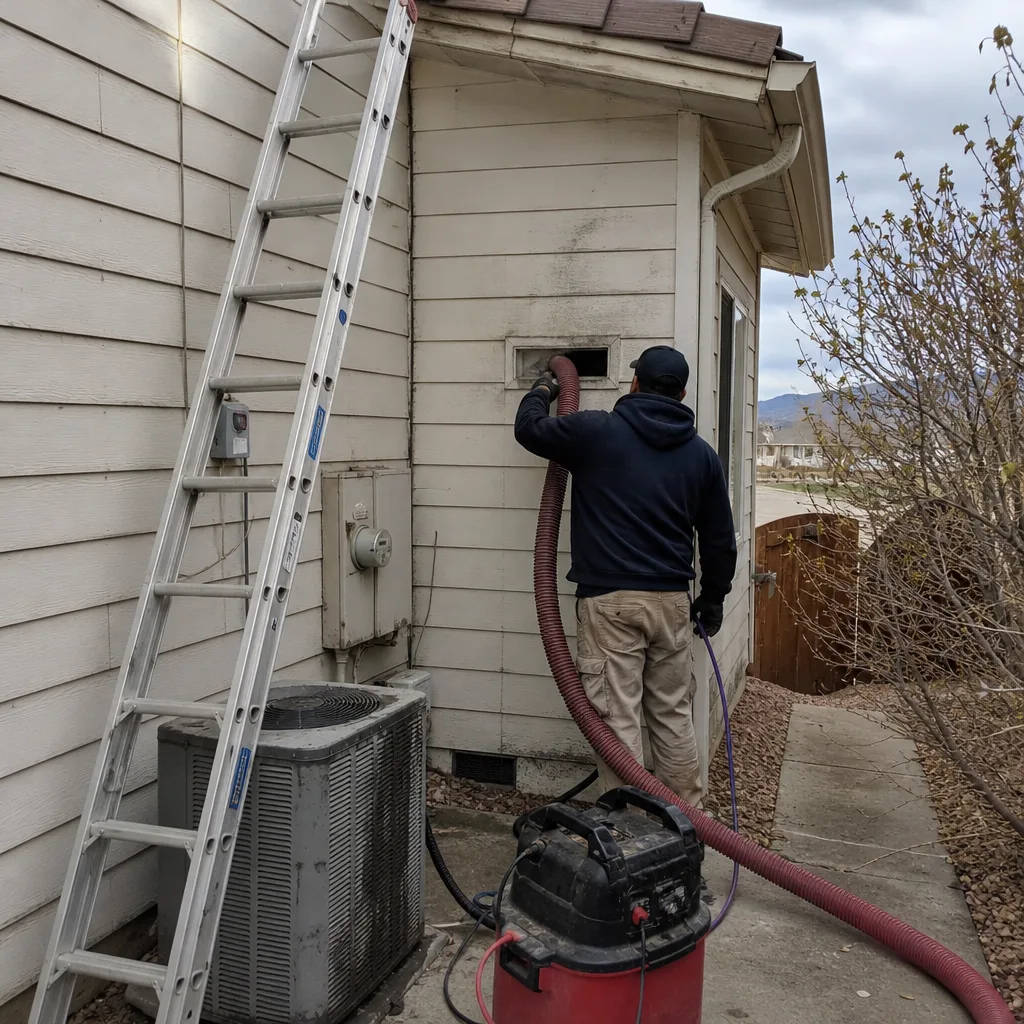
- Skipping the dryer vent because it’s a separate service. Dryer vent cleaning is a dedicated service for a reason: it’s directly linked to documented home fire prevention. That vent is a fire risk and we treat it like one, separate from the HVAC ductwork.
- Choosing a quote by the vent count. A per-vent price doesn’t tell you what’s being cleaned, whether a camera inspection is included, or whether Abatement filtration is being used. Ask what’s actually in the scope.
- Assuming a filter change solved it. A filter change can help, but it doesn’t address buildup inside the duct walls or a leaky supply boot. If the signs return within a month, the duct system is the next check.
- Waiting for the “right season.” In Paradise, the right time to look at the system is before the cooling season starts, not during a dust burst. Warm-season delay always turns a routine job into a rushed one.
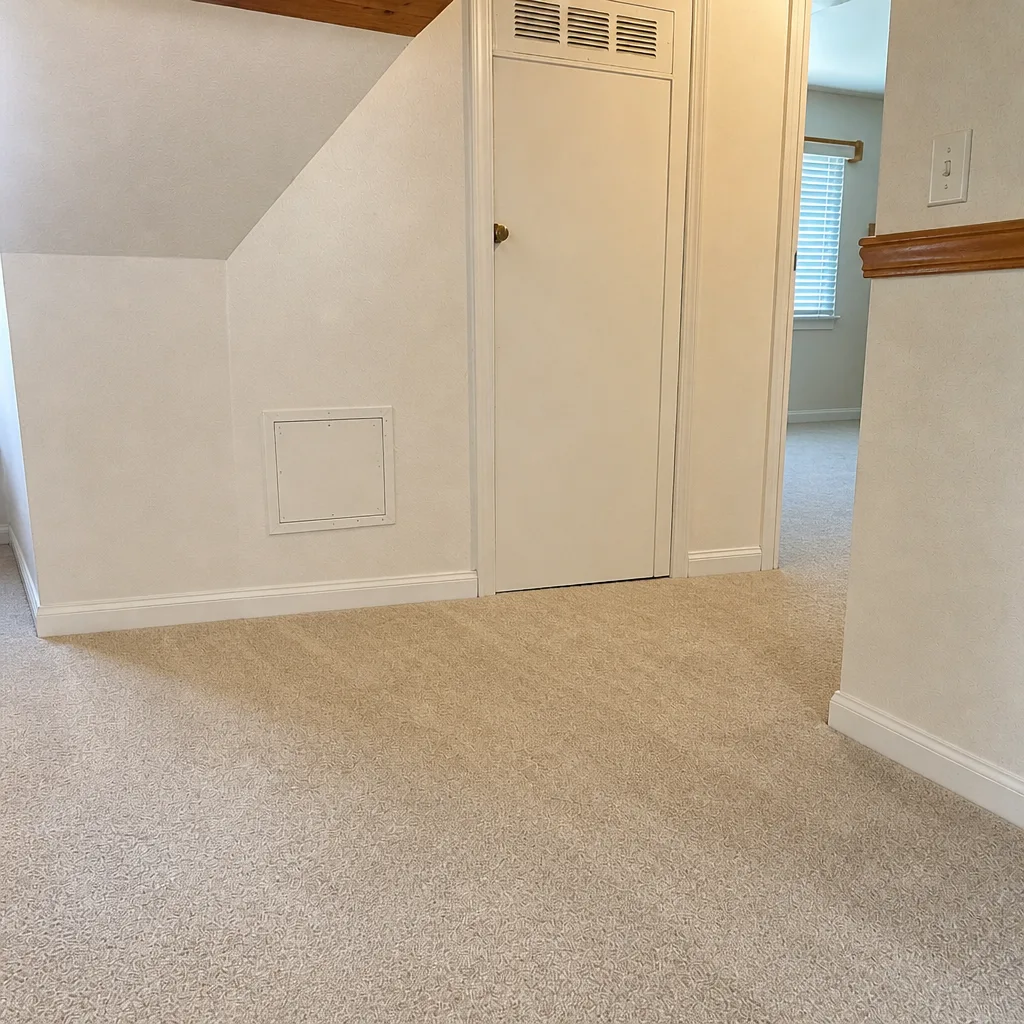
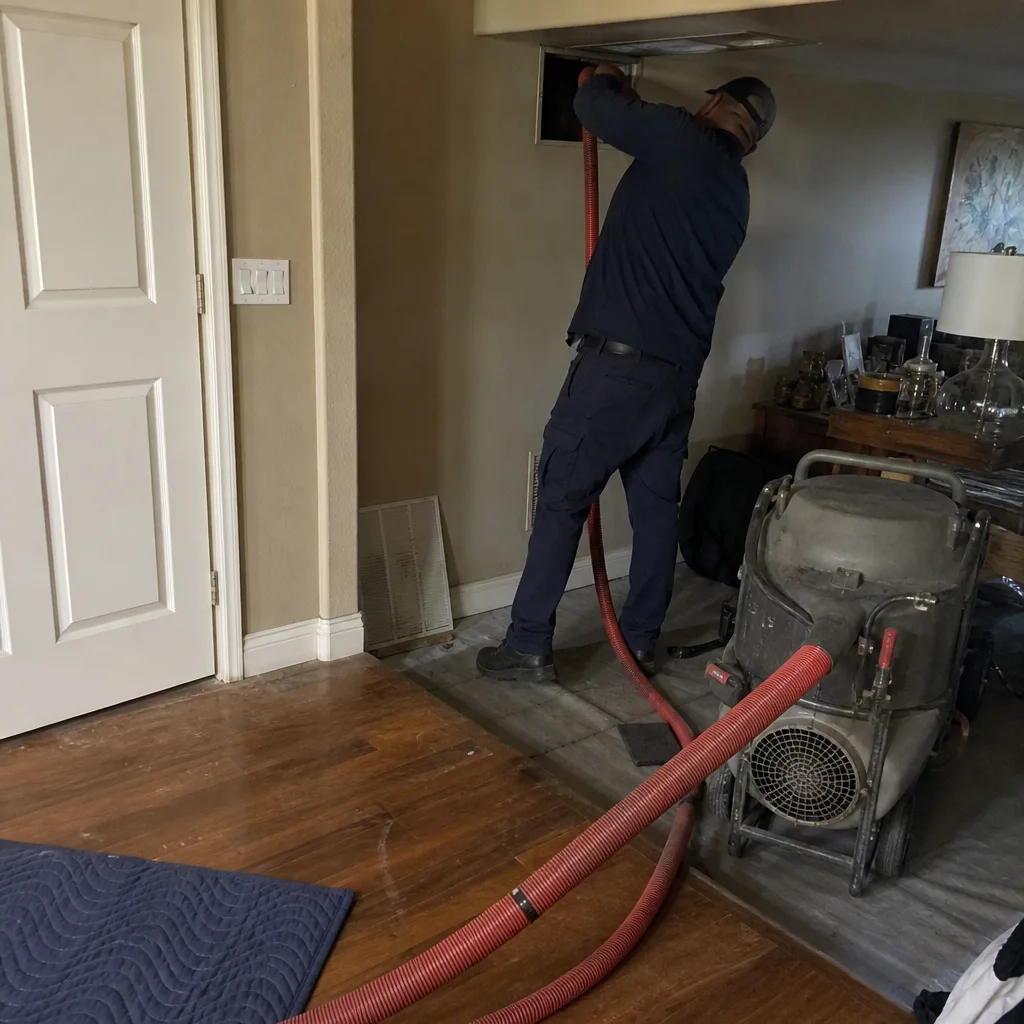
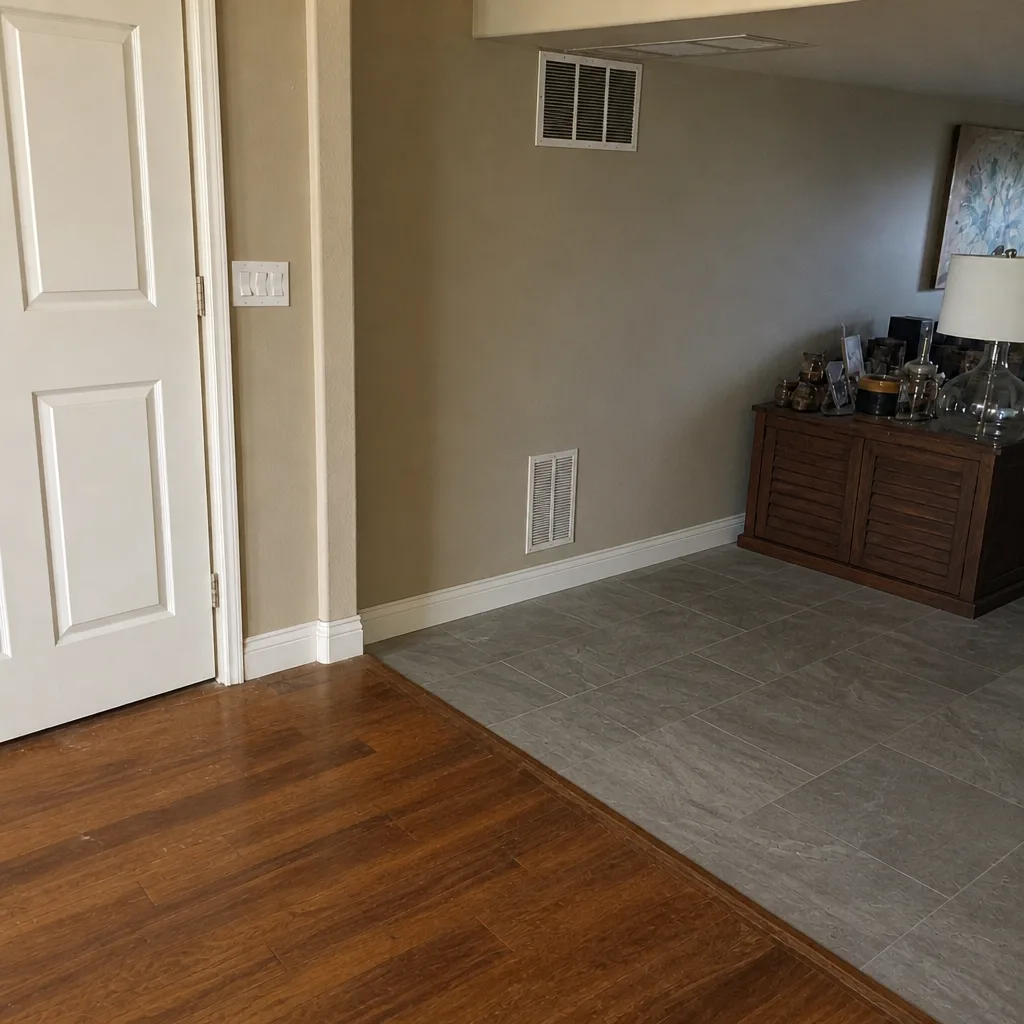
See the difference
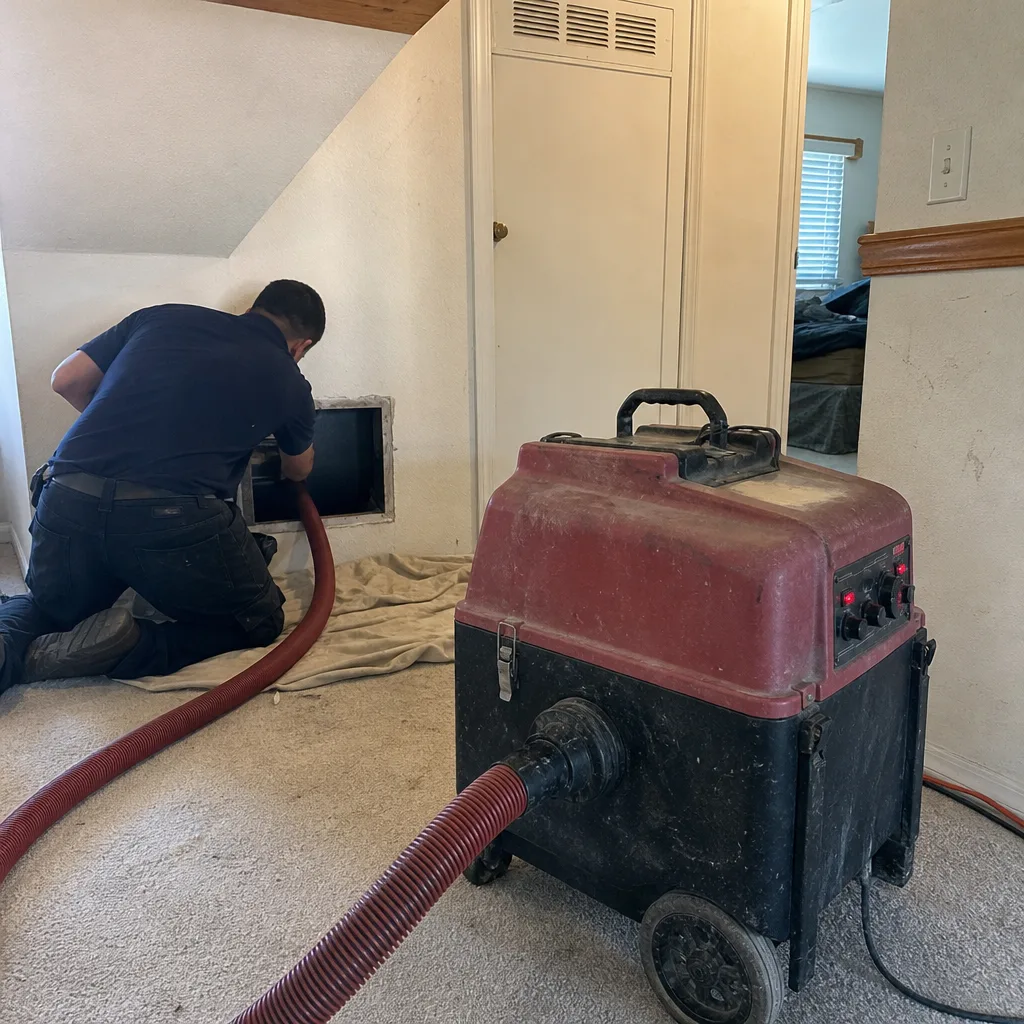 Before
 After
 Before
 After
 Before
 After
When to Call a Professional
Some signs are worth a look on your own, and some warrant a call. Call us when you see any of the following: a burning smell from a vent (turn the system off first), visible damage or disconnection in the attic or crawlspace ductwork, dust returning in a single room within weeks of cleaning, or a return grille that darkens within a week of a filter change. Call us too if you’re managing a rental property and the tenant reports repeated dust or allergy complaints, since a documented inspection helps on both sides. Paradise Duct Cleaning offers free estimates in Paradise – call (866) 330-2124. We answer 24/7. Fast dispatch from 7am to 7pm, Sunday through Friday.
Frequently Asked Questions
Air duct cleaning in Paradise is priced per system by a written estimate, not by the vent. That means the estimate reflects the number of runs, access, and the condition of the ductwork when the technician inspects it. The final price is the written estimate, and no work begins before you’ve agreed to it. Call (866) 330-2124 for an exact quote – estimates are free.
Cheap quotes almost always leave out the two things that determine the result: a camera inspection and Abatement Technologies filtration during the cleaning. Without filtration, the loosened debris goes back into the room. Without an inspection, damage that should be repaired gets cleaned around instead. Ask any cleaner what equipment they bring and whether repair is in their scope. Call (866) 330-2124 for an estimate that lists what’s actually included.
Ask for before-and-after photos of your own ductwork, which is part of our standard walkthrough. Photos of your system are the only proof that matters, since a generic “before and after” image from anywhere doesn’t show your home. Ask to see the camera footage too. Call (866) 330-2124 to schedule a free estimate.
For most Paradise homes, a check every few years is reasonable, and the schedule shortens if you have pets, recent renovation dust, or a return grille that darkens quickly. The dust pattern, not a calendar, is the better guide. If your register grilles look dirty again within a month of cleaning, the ductwork needs an inspection sooner rather than later. Call (866) 330-2124 for a free estimate.
Cleaning removes buildup from an intact duct system. Repair fixes the duct itself: a collapsed flex run, a disconnected joint, torn insulation, or a broken trunk line. Repair is the step that restores airflow; cleaning restores cleanliness. We do both, which is why a single visit can cover a dusty room and a hot room at the same time. Call (866) 330-2124 to talk through both.
Yes. Dryer vent cleaning is a dedicated service, separate from air duct cleaning, and it’s one of the highest-value safety services we offer because it addresses a leading cause of residential fires. We treat it like the safety job it is, not an upsell. If it’s been a while since the dryer vent was cleaned, add it to the visit. Call (866) 330-2124 for a free estimate and mention dryer vent cleaning when you book.
The Bottom Line
The most telling duct warning signs in a Paradise home aren’t dramatic. They’re the dust that comes back in two days, the grille that turns dark in a week, the one hot room, the musty return vent in a dry climate. Read those patterns early, and you catch a small problem before it becomes a repair. The full picture is a two-step approach: check the ductwork for damage, then clean what’s intact using equipment that captures the debris instead of recirculating it. If your signs point to the system, not the housekeeping, take the next step. Call (866) 330-2124 for a free estimate. We answer 24/7. Fast dispatch from 7am to 7pm, Sunday through Friday. And if you want the broader service picture before you book, start at Paradise Duct Cleaning.
Written by the team at Paradise Duct Cleaning.