
Last updated November 15, 2026
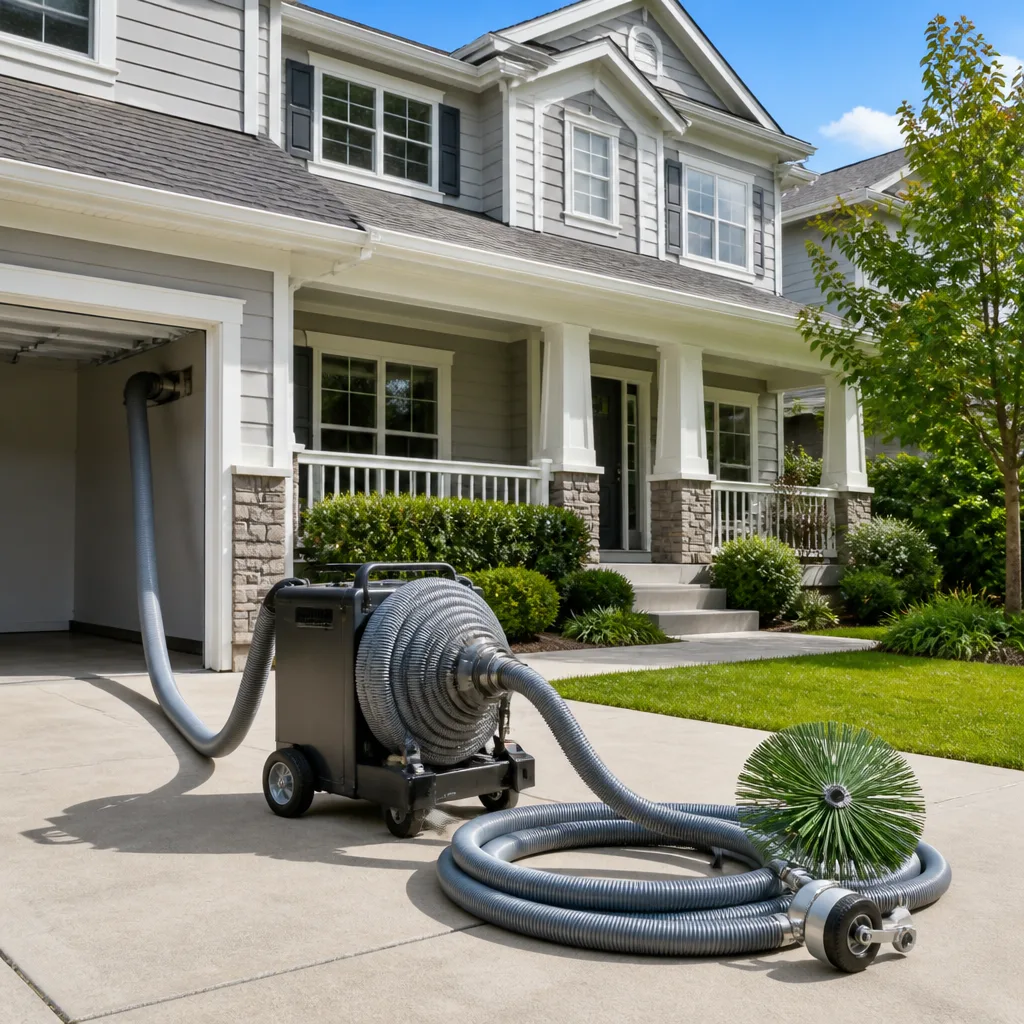 Whole-home duct cleaning
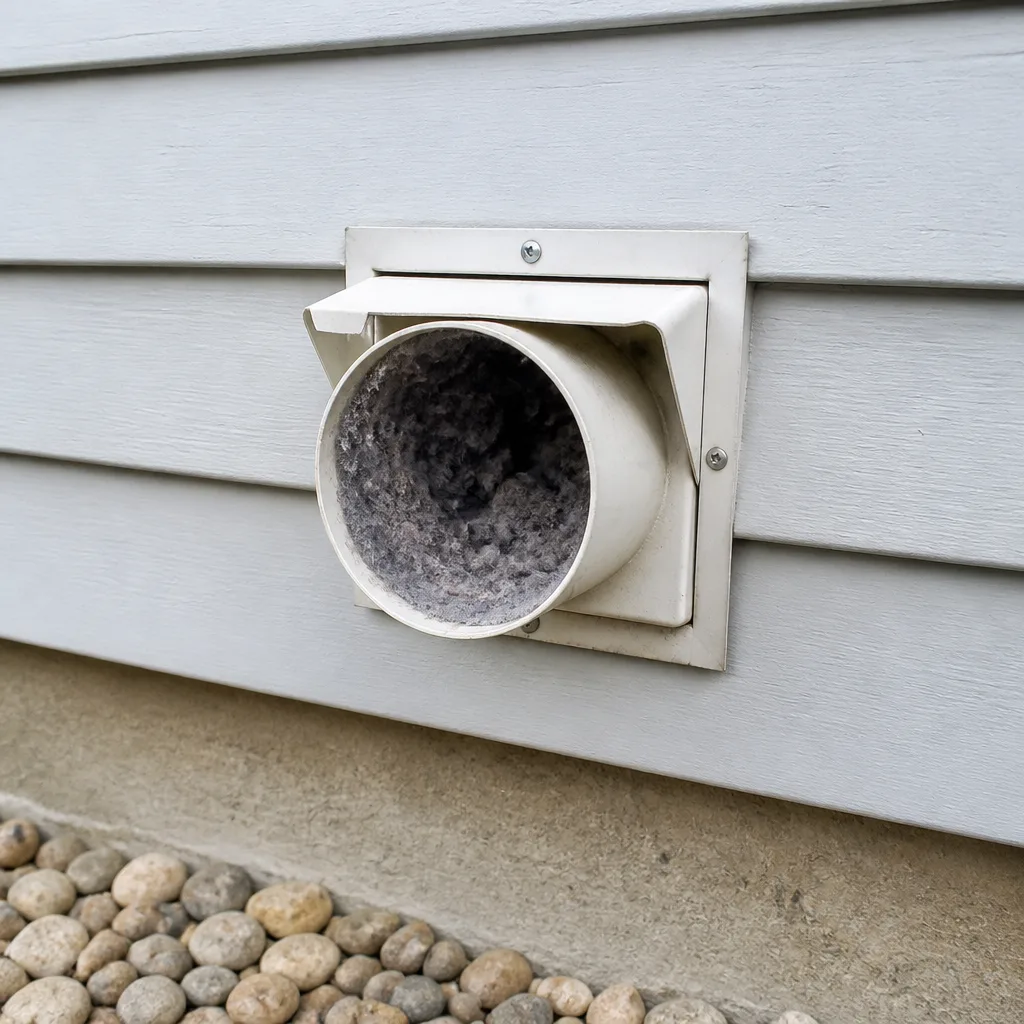 Dryer vent cleaning
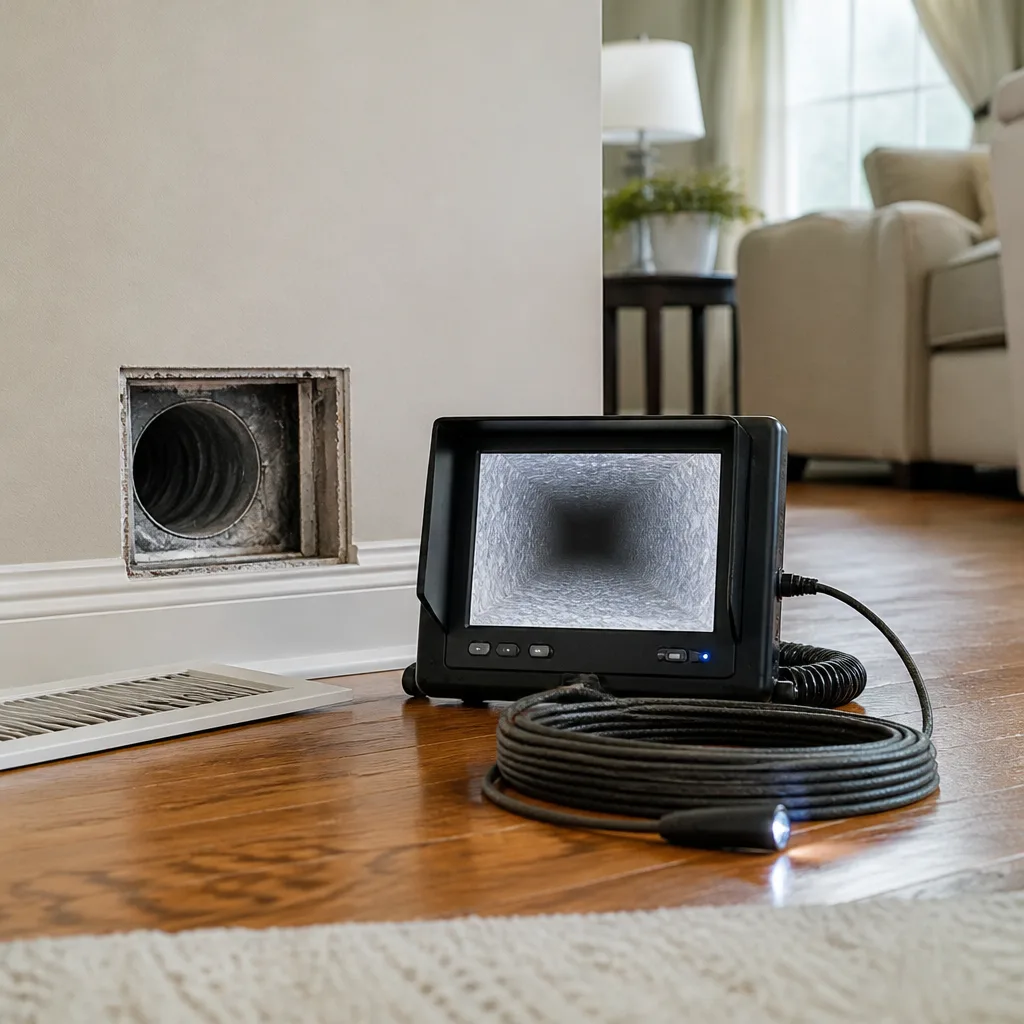 Camera inspection
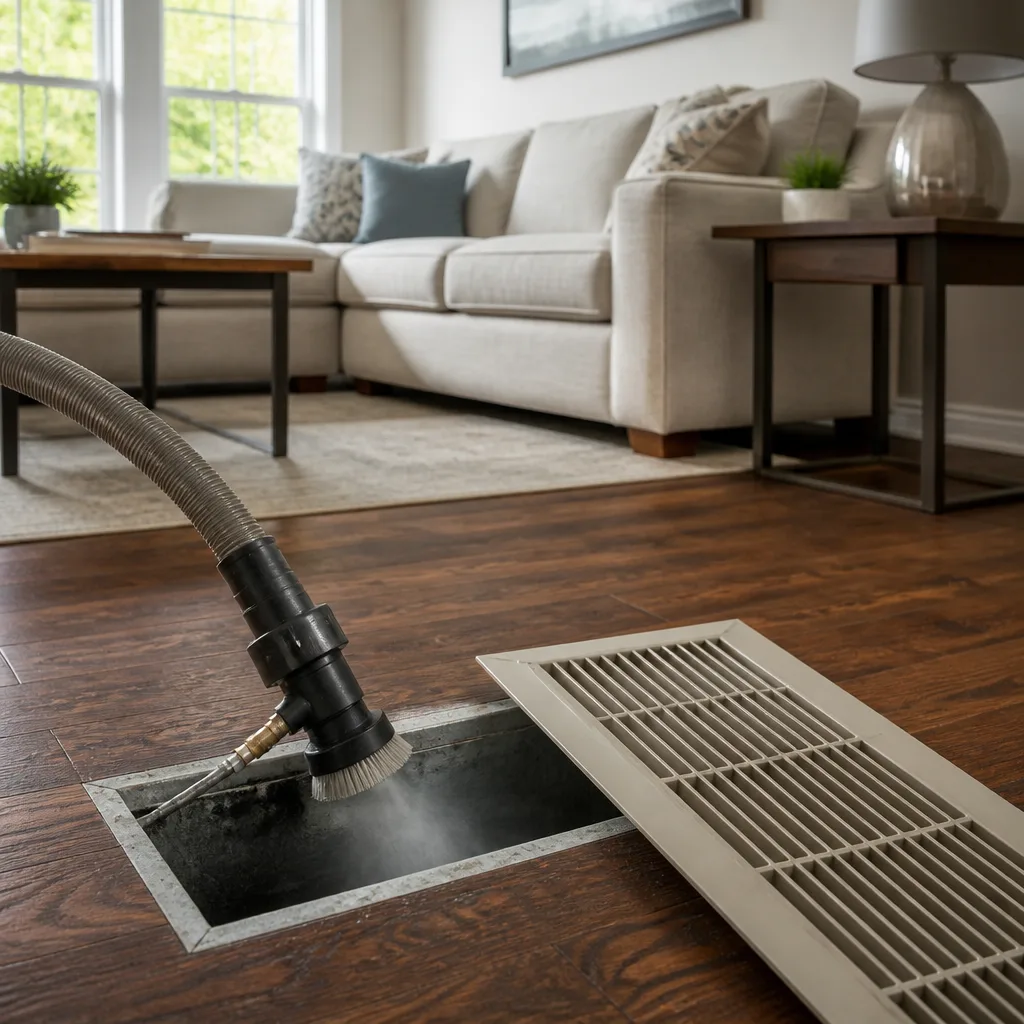 Sanitizing & deodorizing
Whole-system duct and dryer vent check with before-and-after photos - you see exactly what came out of your vents
That "$99 whole-house special" is a bait ad - the real number appears once they are in your hallway, or the "clean" is a shop-vac at the register. We photograph the inside of your ducts before and after instead.
Air Duct Cleaning Permits, Codes & Inspections in Paradise, NV: What You Need to Know
Most homeowners treat duct cleaning like an oil change: routine maintenance, nothing to file, nothing to disclose. That assumption holds right up until the moment a technician cuts into a duct run, replaces a rusted section, or bolts an access panel to the plenum. Now the job looks less like cleaning and more like construction, and construction in Clark County comes with permits, inspections, and a paper trail that follows the house. In Paradise, where the housing stock spans decades and the summer heat pushes the air system hard, the gap between “cleaning” and “modification” is easy to cross without anyone noticing. This guide walks through where that line sits, which add-ons trigger it, how to check a contractor, and what unpermitted work costs you at resale.
Quick Answer
Cleaning the inside of existing ductwork does not require a permit in Paradise or anywhere in Clark County. Modifying it does: replacing or rerouting duct sections, adding new runs, cutting in new access panels, or altering the system in ways that change how it moves air can trigger Clark County building permit and inspection requirements. The safe rule is simple: if the work touches structure or airflow design rather than just the interior surface, ask who is pulling the permit and confirm it in writing before the scope expands.
Styles & brands we work with
- Whole-home duct cleaning
- Dryer vent cleaning
- Camera inspection
- Sanitizing & deodorizing
Table of Contents
- Where does the line fall between cleaning and duct modification?
- Which HVAC-adjacent add-ons trigger a permit in Paradise?
- How do you verify a contractor is licensed for repair work?
- What does unpermitted duct work mean at resale or inspection?
- What steps should you take before any repair scope is added?
- What actually happens during an inspection?
- Why Paradise’s climate makes duct condition matter more
- Common mistakes to avoid
Where does the line fall between cleaning and duct modification?
Cleaning is maintenance on a system that already exists. The technician removes accumulated debris from the inside of the ducts with negative-pressure equipment and rotary brushes, then captures what comes loose. Nothing is cut, nothing is added, nothing changes the shape or routing of the system. No permit.
Modification changes the system itself. That includes:
- Cutting a new access hole or installing an access panel that wasn’t there
- Replacing a section of rigid or flex duct because it’s crushed, torn, or disconnected
- Rerouting a run to serve a room differently
- Adding new supply or return runs
- Resealing joints in a way that changes the pressure balance of the system
- Removing ductwork entirely, or capping off a run
In our experience, the confusion lands hardest on the access panel. Many homes in Paradise have long, straight runs with no service opening, and a technician needs one to clean properly. Cutting one is quick. It’s also a modification to the duct system’s structure, and whether it needs a permit depends on how your local building department reads the scope. That’s not a gray area a homeowner should solve alone on a Saturday. The honest answer is to call your city or county building department and describe the exact work in plain language before anyone cuts.
One thing worth knowing: Paradise isn’t a single permitting authority. Depending on where in the community a property sits, permitting and code enforcement can flow through Clark County or through the City of Las Vegas or another jurisdiction, and the requirements vary in detail even when the underlying code basis is similar. When you call for air duct cleaning, ask which jurisdiction issues the permit for your address. Any contractor who can’t answer that is not the one to trust with structural duct work.
Cleaning alone, on a system you aren’t changing, is the wide part of the funnel. Once someone starts proposing cuts or replacements, the funnel narrows and the paperwork starts. Knowing the difference before the truck arrives keeps you out of a conversation you didn’t plan for.
Which HVAC-adjacent add-ons trigger a permit in Paradise?
This is where most surprises happen, because the permit triggers are rarely the main event. They’re the upsells and the “while we’re in there” suggestions. Each one changes the system in a way the building code cares about.
UV and air purification system installation
Adding a UV lamp or an in-duct air purifier means cutting into the duct or the plenum, mounting a fixture to a mechanical system, and in most cases wiring to the electrical circuit. That’s equipment installation, not cleaning. It typically requires a permit, and often a licensed electrician along with the HVAC contractor. If a company offers to install a UV system during a routine cleaning and no one has mentioned a permit, that’s a signal about how they handle the rest of the job.
Damper replacement
A damper is a mechanical component that controls airflow through a duct run. Replacing one means opening the duct, removing a component that’s part of the system’s design, and installing a new one. That is a modification. It may be a small one, but small modifications are exactly the kind of work that goes unpermitted and surfaces later.
Duct sealing with mastic
This one splits. Sealing small leaks at existing joints with mastic, the thick brushable sealant contractors use, is generally considered maintenance and often done during cleaning. Cutting into a duct to seal from the inside, applying a spray sealant system, or sealing in a way that closes off portions of the system is different work, and may need a permit depending on scope and jurisdiction. Ask specifically which method is being used and whether it’s considered repair or maintenance under local rules.
Duct replacement and design changes
Replacing crushed flex duct, correcting a botched install, adding a run to a converted garage or addition, or correcting airflow problems in a room that never heats or cools right: all of that is permit territory. Full stop.
Honeywell and Aprilaire make controls and air-quality components that get added to systems all the time, and their installation is no different from any other equipment: it’s mechanical work, and it belongs in the permit conversation. The point isn’t to scare anyone off an upgrade. It’s that the property owner should know which parts of a job are maintenance and which parts need paperwork, and a contractor who does this daily should be able to tell you without a pause.
How do you verify a contractor is licensed for repair work?
In Nevada, the license that allows a company to clean ducts is not automatic permission to do structural duct repair or mechanical system work. Contractors who do both hold the appropriate classification. Many cleaning-only companies do not, and that’s the exact gap where a homeowner ends up with unpermitted work.
Here’s a straightforward verification process:
- Ask for the state contractor license number in writing. Not verbally. Any legitimate company will email or text it without hesitation.
- Look the number up in the Nevada State Contractors Board database. Confirm the license is active, the classification matches the work being proposed, and the name matches the company you’re talking to.
- Ask separately about licensing for cleaning versus repair. If a company’s license covers cleaning only, they should say so and refer repair work elsewhere. That’s not a red flag; it’s honesty.
- Ask for proof of insurance and bonding. A company doing structural work should carry both. Ask for the certificate, not just the claim.
- Ask who pulls the permit. If the scope includes a permit-triggering item, the contractor should pull it, and the permit should list their name. If they suggest you pull it as the homeowner, that’s usually a way to sidestep the licensing requirement, and it shifts the liability to you.
Paradise Duct Cleaning offers both air duct cleaning and air duct repair, which is different from most cleaning-only competitors. That matters here because it means the same company can handle a job that crosses the line, without subcontracting the repair portion to someone else and losing control of the permit question.
If a company can’t produce a license number, doesn’t want to put the scope in writing, or gives you a verbal reason why the permit isn’t needed for their particular job, walk. The permit conversation is not inconvenient for a legitimate company. It’s routine.
What does unpermitted duct work mean at resale or inspection?
Unpermitted work is not a problem until it is, and then it’s a real one. In Clark County, when a home goes on the market, the buyer’s inspector looks at the mechanical systems, and a permit search is a standard step in due diligence. Unpermitted duct work that shows up during that search has to be disclosed or resolved, and either path costs money.
- The buyer can ask for it to be retroactively permitted. That means an inspection of work that may not meet current code, which may mean tearing it back out and redoing it to pass.
- It can affect your insurance standing. Carriers ask about modifications and unpermitted work, and a claim connected to a fire or water event in an unpermitted system can get complicated.
- It can affect the appraisal. An appraiser may flag the work as a condition item, and lenders can require it to be corrected before closing.
- It shows up in inspection reports as a “further evaluation” item, which sounds minor and isn’t. That notation tells the next buyer to assume the worst until proven otherwise.
Homeowners in Paradise are often surprised by this because the work was small. A new access panel doesn’t feel like a remodeling project. But permitting isn’t about size, it’s about whether the work is part of the system’s structure. The building department cares about the categorization, not the square footage.
The clean solution is to ask before the work starts and get it in writing, and if the work is already done and unpermitted, get a licensed contractor to review and permit it retroactively before you list. It’s a phone call now versus a closing delay later.
What steps should you take before any repair scope is added to a cleaning job?
Most homeowners go into a duct cleaning appointment with a cleaning in mind and come out with a repair quote. Sometimes the repair is genuinely needed. Sometimes it’s not. Either way, the conversation should be structured so you’re not making decisions under pressure.
- Ask for the scope in writing before the work begins. Not a verbal description. A written line-item scope of what’s being cleaned, what’s being repaired, and what’s being added. Compare it to the estimate you received.
- Separate cleaning from repair, item by item. Have the contractor identify which items are cleaning, which are repairs, and which require a permit. Make them note it on the quote.
- Ask for photos of what they found. Before-and-after photos of your own ducts are standard practice on a professional job. If they can’t show you what they found, you don’t have enough information to agree to a repair.
- Verify the license classification covers the repair portion. If the scope involves duct replacement or modification, the license has to match.
- Ask who pulls the permit and confirm it in the written scope. Their name on the permit, not yours.
- If the permit conversation feels rushed, hit pause. A legitimate contractor will not pressure a homeowner to skip a permit to “save time.”
One practice that makes this easy: the price you agree to should be a flat price per system, agreed before work starts, with the written estimate setting the final number. If a repair gets added mid-job, it gets added as a separate written scope with its own price and its own permit answer. No conversation before, no work after.
The other thing worth doing, especially in Paradise, is asking about equipment. A duct cleaning crew running consumer-grade vacuums and shop vacs is a different operation than a crew running professional air duct cleaning systems. Rotobrush and Nikro are the platforms used by certified HVAC and restoration contractors. Abatement Technologies filtration captures loosened debris instead of recirculating it into the home. When a company invests in that equipment, they tend to run the permitting conversation with the same standard, because the whole operation is built around the assumption that the work has to hold up to inspection.
What actually happens during an inspection?
If a permit is required, an inspection is generally the last step, and it’s less mysterious than it sounds. The inspector is there to confirm the work matches what was permitted and that it meets the code requirements for the system type.
- They compare the installed work to the permitted scope. If the permit said “one duct section replaced” and the work added three runs, that’s a problem.
- They check whether ducts are sealed, supported, and routed correctly. Loose flex duct, unsupported spans, and sloppy joints are the common findings.
- They check clearances and access. Ductwork has to be accessible for future service, and it has to maintain required clearance from heat sources.
- They may check the mechanical connection. Ducts that connect to equipment have to be properly attached and sealed, not taped into place with a hope and a prayer.
What an inspector does not do is evaluate the quality of a cleaning. That’s outside the permit’s purpose. If you want proof the cleaning itself was thorough, you get it from before-and-after photos and from the equipment the crew uses on site, not from a building inspector.
Our technicians have up to 11 years of experience, and in our experience the inspections that are easy are the ones where the installing contractor documented the scope, sealed the work properly, and didn’t try to hide a change. The inspections that are hard are the ones where the work didn’t match the paperwork. That’s an avoidable problem.
Why Paradise’s climate makes duct condition matter more
Duct systems in Paradise live a hard life. The cooling season runs long, which means air moves through the system for more hours per year than in most of the country. That constant airflow pushes dust, pollen, and construction debris through the system and into the supply runs, and it also stresses the joints and seals. Loose or compromised ductwork on a long cooling season isn’t just an efficiency issue, it means conditioned air leaking into an attic that’s well over 100 degrees, and the system working harder to compensate.
Dust is the other factor. The desert environment brings fine particulate into the home every time a door opens, and a lot of it settles into return ducts. That’s normal, and it’s why duct cleaning is worth doing on a sensible schedule rather than never. What’s not normal is debris that’s been there long enough to affect airflow, or loose duct sections that have been pulling dust in from the attic for years.
The older housing stock in parts of Paradise adds another layer. Homes built decades ago often have duct systems with materials and routing that wouldn’t be installed today. Flex duct that’s been crushed or kinked, joints taped with materials that have dried and failed, and runs that were retrofitted to serve additions: those are the conditions that make repair, and by extension the permit question, worth thinking about before you start. A dry climate is kind to some building materials and hard on others. Duct tape is the first to go.
The Paradise climate is also why air quality inside the home matters more than people expect. When the windows stay shut for weeks because it’s too hot to open them, the duct system is the primary path for air moving through the house. Clean it, and it’s the system doing its job. Let it degrade, and it becomes a distribution network for whatever has been sitting in it.
Common Mistakes to Avoid
- Assuming cleaning and repair are the same category. They’re not, and the moment the scope crosses into modification, the permit question enters. Ask the question out loud before the work starts.
- Letting the contractor tell you a permit isn’t needed without verifying it. That’s a load-bearing claim, and it should be confirmed by the building department, not by the person standing in your attic with a saw in their hand.
- Pulling the permit yourself to “save time.” This is a common workaround, and it usually means the contractor’s license doesn’t cover the repair. The permit should be in their name, which puts the code responsibility on them.
- Skipping the before-and-after photos on a repair job. Photos are how you know what was actually done, and they’re how you document work that later matters at resale. Get them on every repair, every time.
- Hiring a cleaning company for repair work without verifying the license classification. A company licensed to clean may not be licensed to repair. Ask for the number and look it up.
- Assuming a small repair doesn’t need a permit. The building department categorizes work by type, not square footage. A new access panel can be more code-relevant than a big cleaning job.
- Waiting until you’re selling to sort out unpermitted work. Retroactive permitting is possible but slower and more expensive under closing pressure. Fix it when you find it.
See the difference
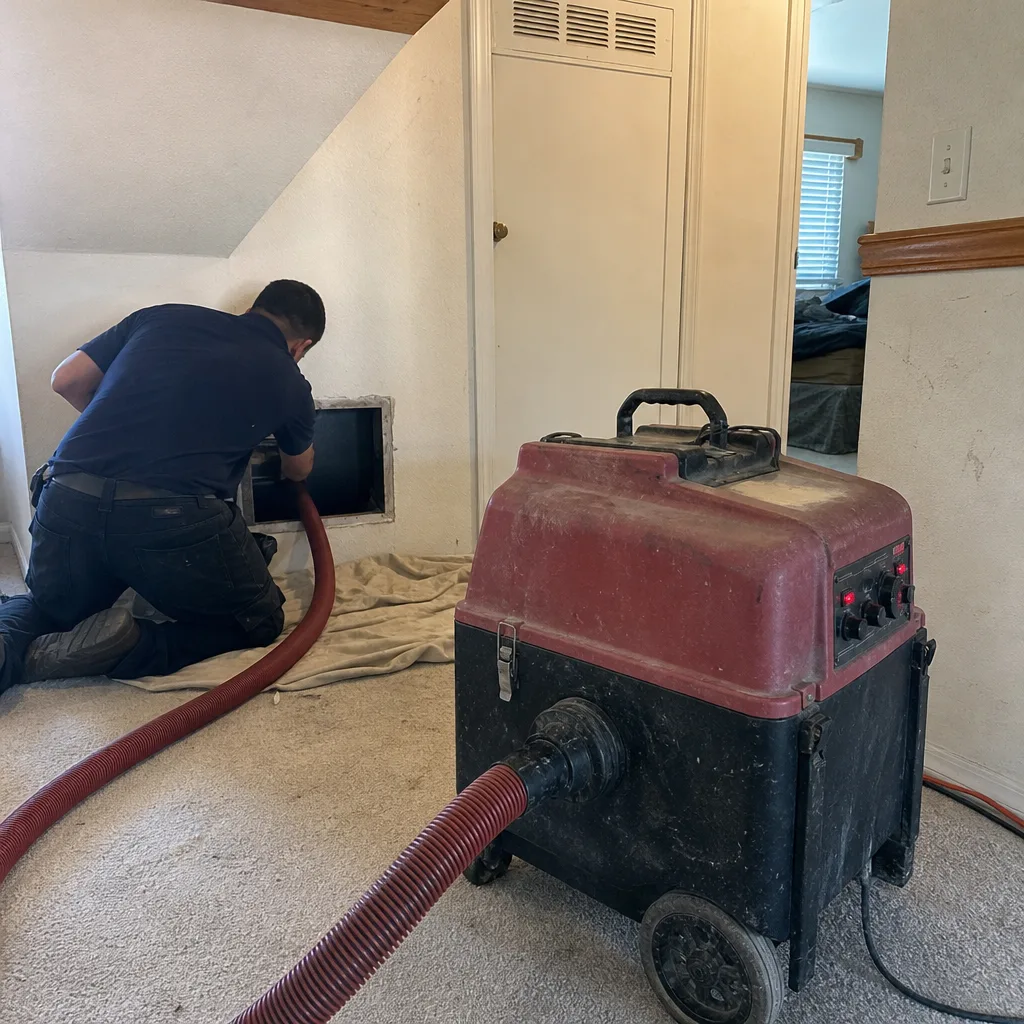 Before
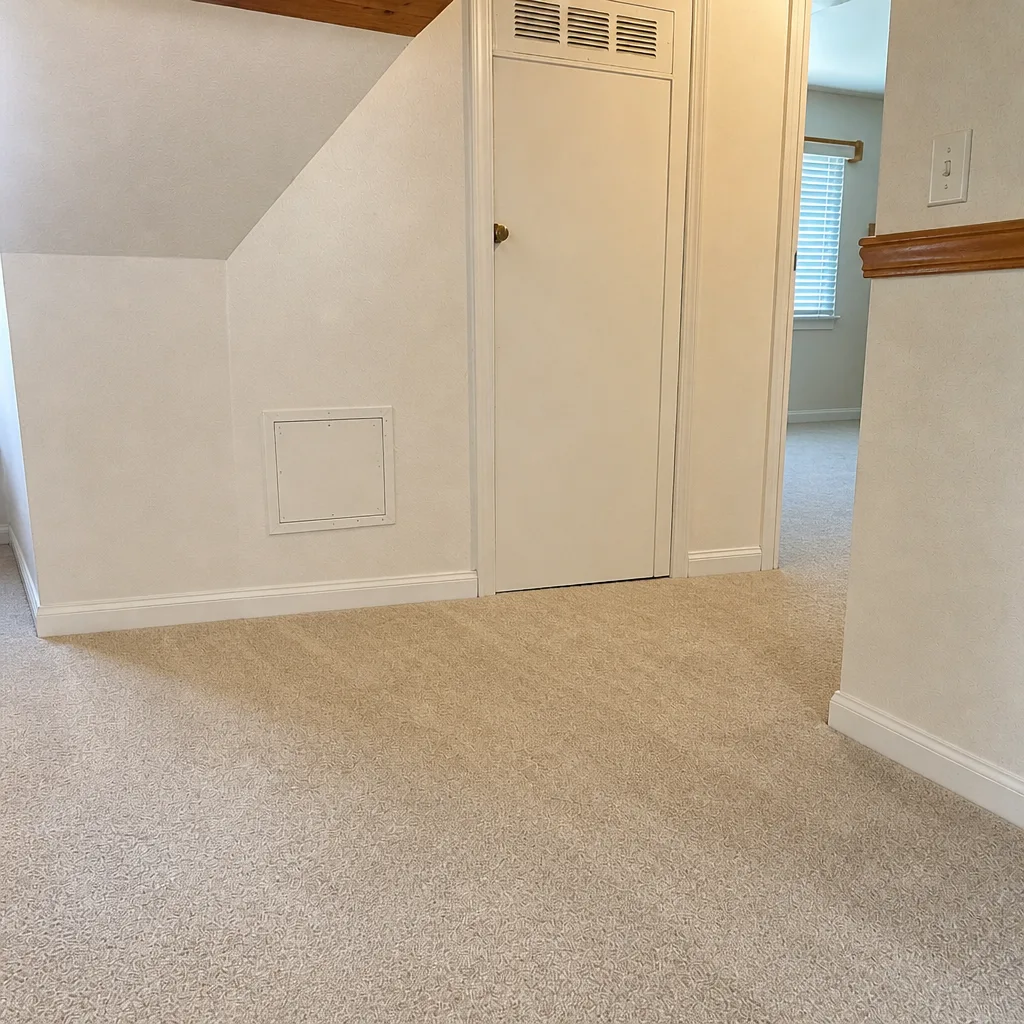 After
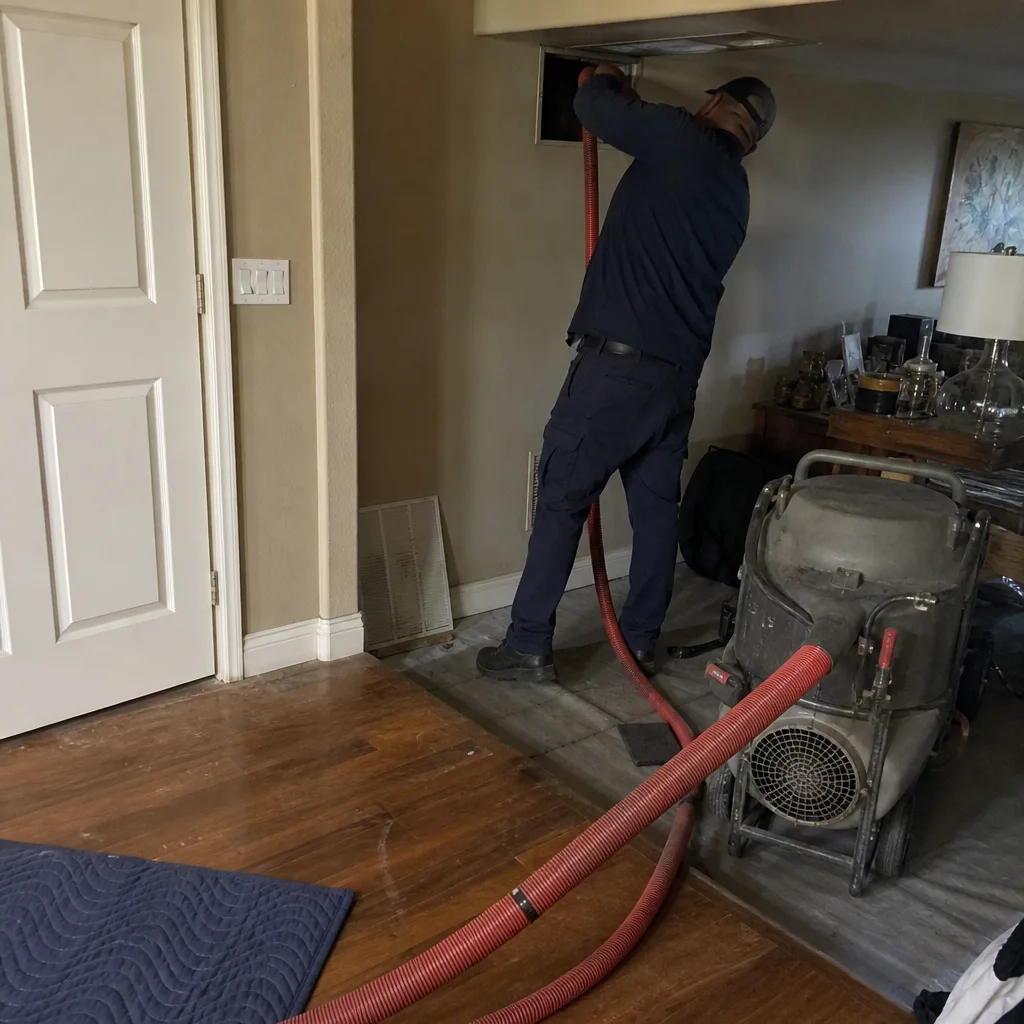 Before
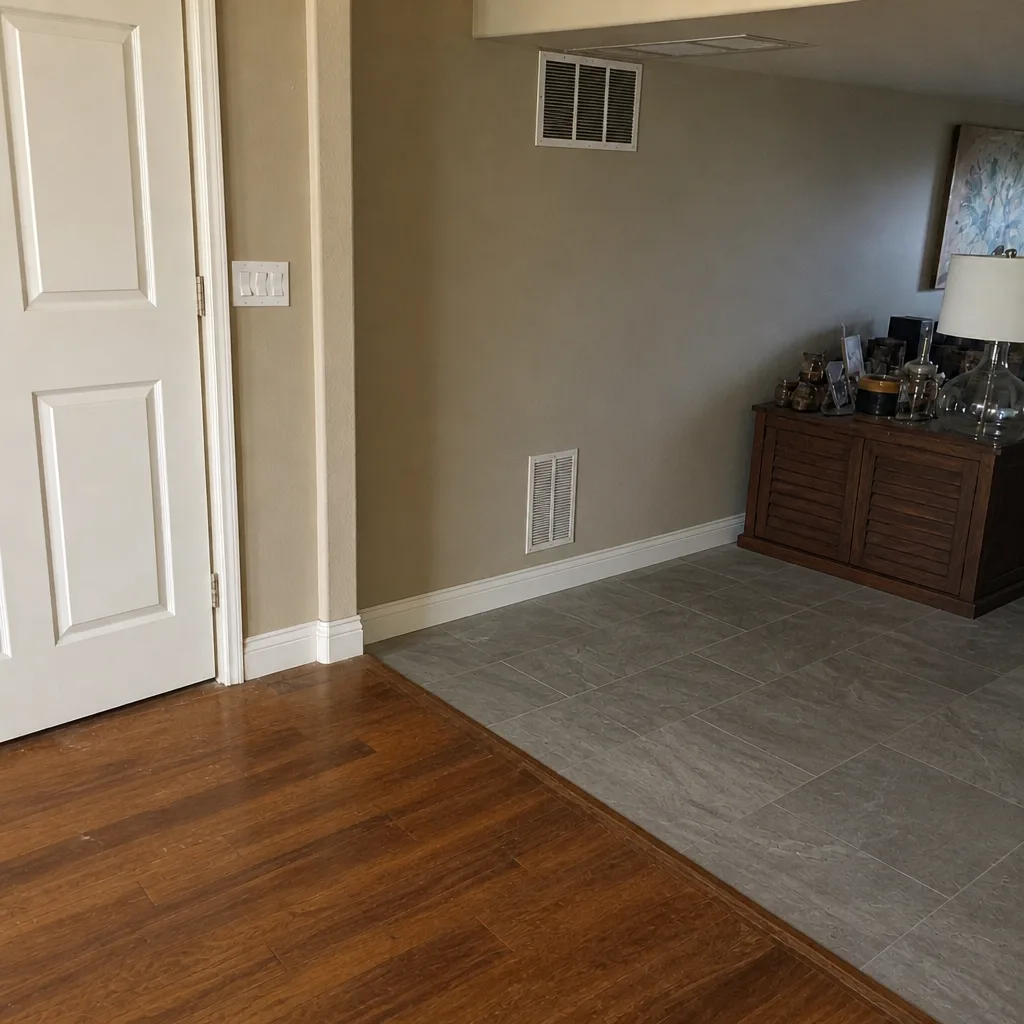 After
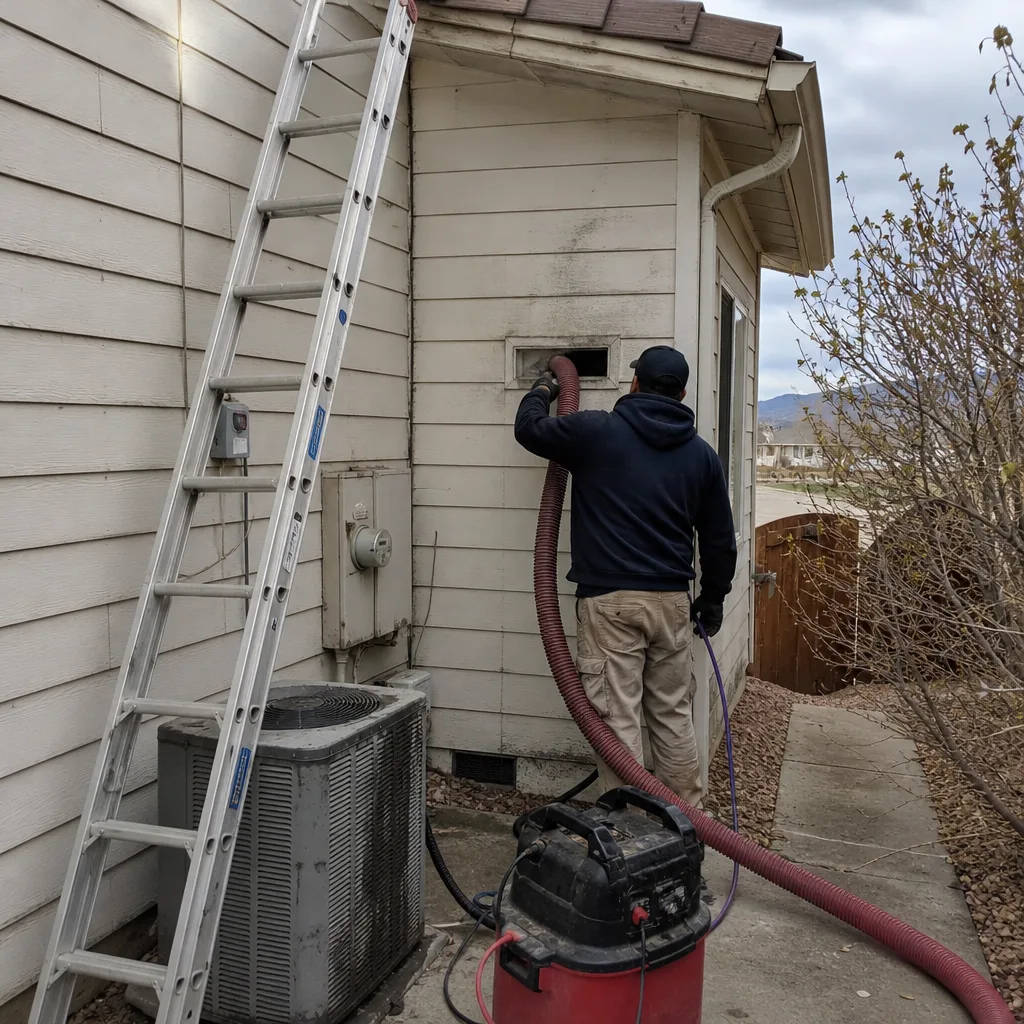 Before
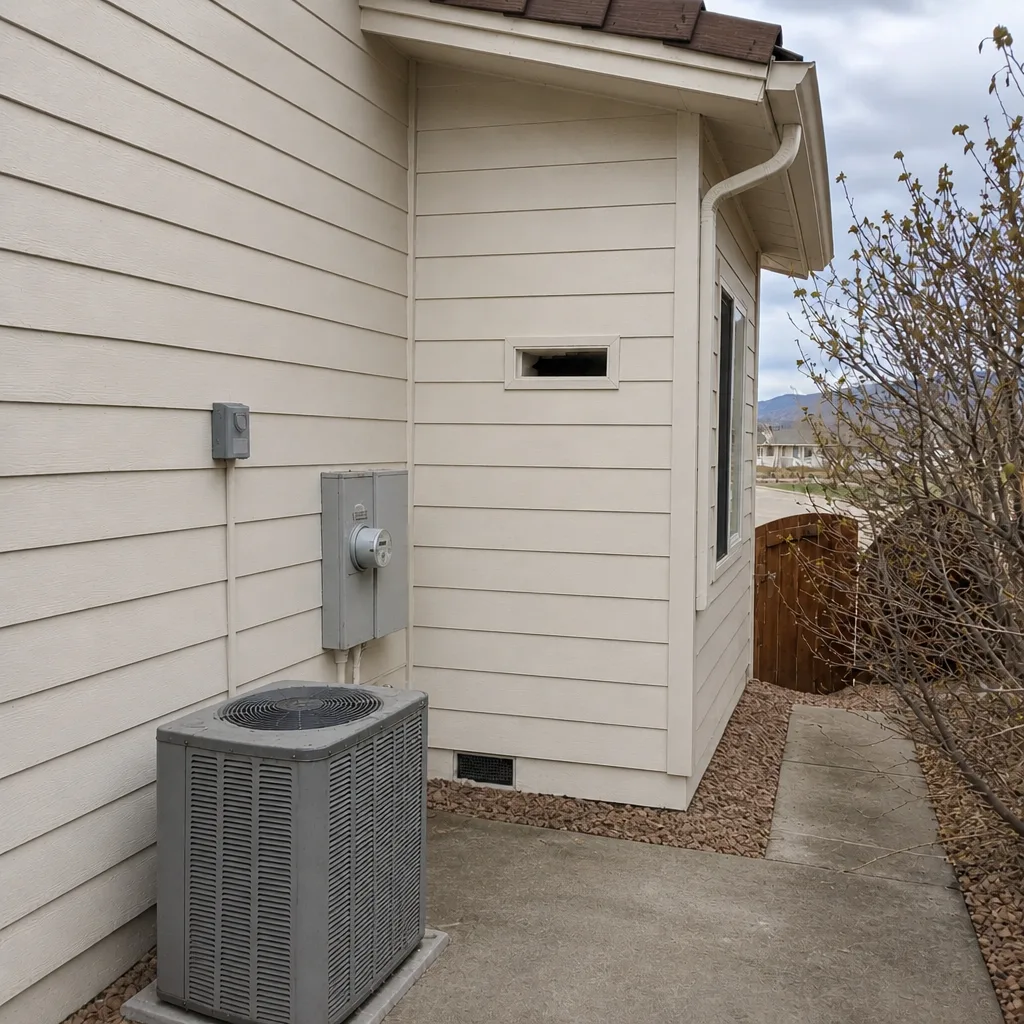 After
When to Call a Professional
Call a licensed professional when the duct work involves anything structural: replacement, rerouting, new runs, access panels, or repair of crushed and disconnected sections. Those are the jobs where permits, licensing, and inspections come into play. Call one also when the debris in the system is heavy enough that consumer equipment can’t handle it, or when you’ve noticed airflow problems that didn’t exist before. If a technician proposes a repair during a cleaning, that’s your moment to pause and ask the verification questions above. Don’t let anyone cut into a duct without knowing whose license is on the job and whether a permit is required.
Paradise Duct Cleaning offers free estimates in Paradise. Call (866) 330-2124. Our technicians have up to 11 years of experience, use professional-grade Rotobrush and Nikro systems with Abatement Technologies filtration, and can handle cleaning and repair without handing the structural portion to a different company.
Frequently Asked Questions
No. Cleaning the interior of existing ductwork is maintenance and does not require a permit in Paradise or anywhere in Clark County. Once the work modifies the system, meaning replacement, rerouting, new runs, or new access panels, a permit may be required. Call (866) 330-2124 for a free estimate and we’ll walk you through what your specific job involves.
Your contractor should pull it, and the permit should list their name and license number. If a company asks you to pull the permit as the homeowner, that usually means their license doesn’t cover the repair. Confirm this in writing before work starts. Call (866) 330-2124 and we’ll tell you exactly what we handle.
Usually, yes. Adding a UV system, replacing a damper, or installing in-duct air quality equipment is equipment installation on a mechanical system, not cleaning, and it typically triggers permit and licensing requirements. It often involves electrical work as well. The right answer depends on your jurisdiction, and the contractor should be able to tell you. Call (866) 330-2124 to talk through your specific setup.
You can, but it has to be disclosed and it usually becomes a negotiation point. Buyers may ask for it to be retroactively permitted or repaired, and inspectors will flag it. Sorting it out before listing is almost always cheaper than sorting it out during closing. Call (866) 330-2124 and we’ll help you understand what your options are in Nevada.
Pricing for air duct cleaning in Paradise is quoted per system, not per vent, and a written estimate sets the final price before work starts. System size, duct configuration, and condition drive the range. Some companies advertise a low teaser price that grows once the technician is on site, which is exactly why per-system pricing in writing matters. Call (866) 330-2124 for a free estimate.
Usually because the scope is different, not because the price is better. Cheap quotes often exclude repair, use consumer-grade equipment, skip the permit question, and don’t document the work with photos. When the scope is equal, the price comparison is honest. When it isn’t, the difference costs more later. Call (866) 330-2124 for a written scope you can compare against any other quote.
The Bottom Line
In Paradise, cleaning is maintenance and repair is construction, and the two categories carry different permission, licensing, and inspection requirements. The gap between them is smaller than most homeowners expect, and the pieces most likely to cross it are the small add-ons: a new access panel, a damper swap, a UV system, a section of crushed flex duct. Confirm the scope in writing, ask which license covers the repair, ask who pulls the permit, and don’t accept “you don’t need one” without a second opinion from your building department. Most of the risk disappears the moment the right questions get asked at the right time. Do that, and a cleaning stays a cleaning.
Written by the team at Paradise Duct Cleaning.