
Last updated November 15, 2026
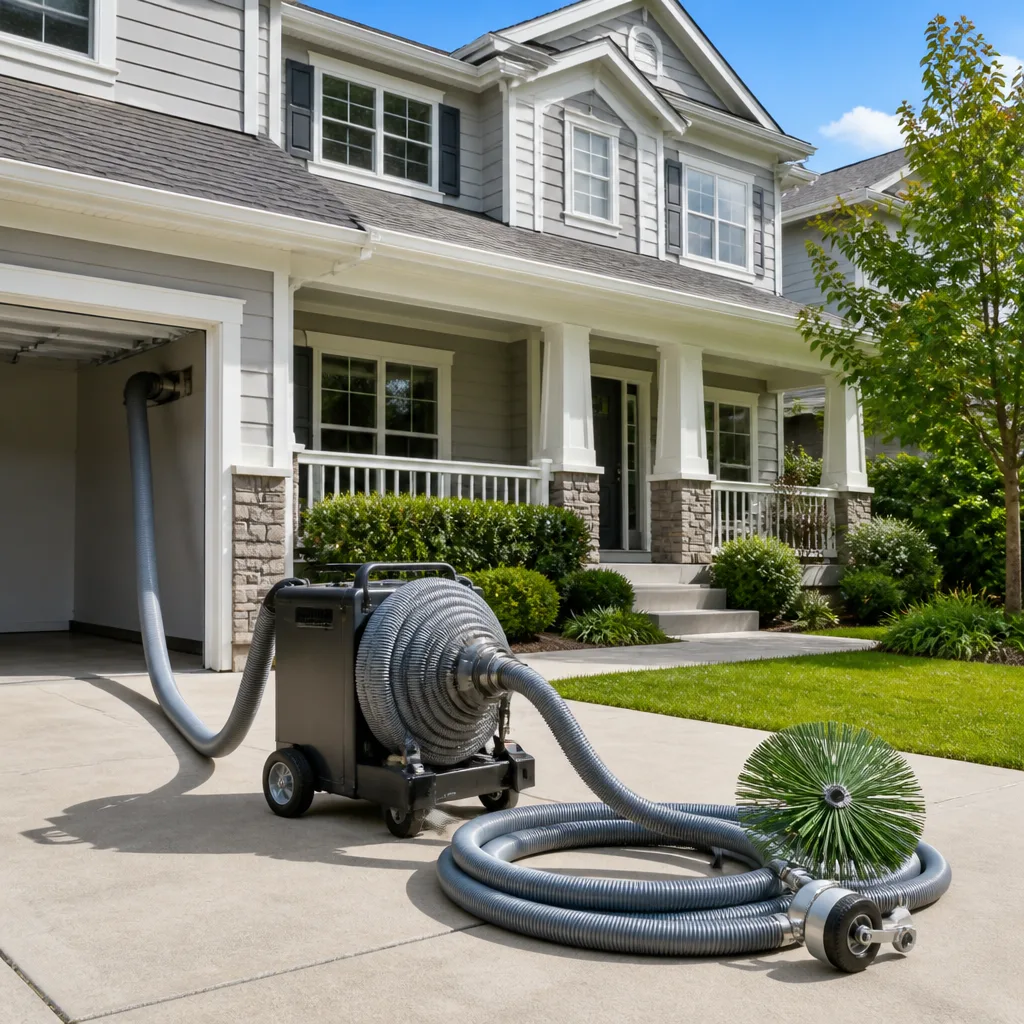 Whole-home duct cleaning
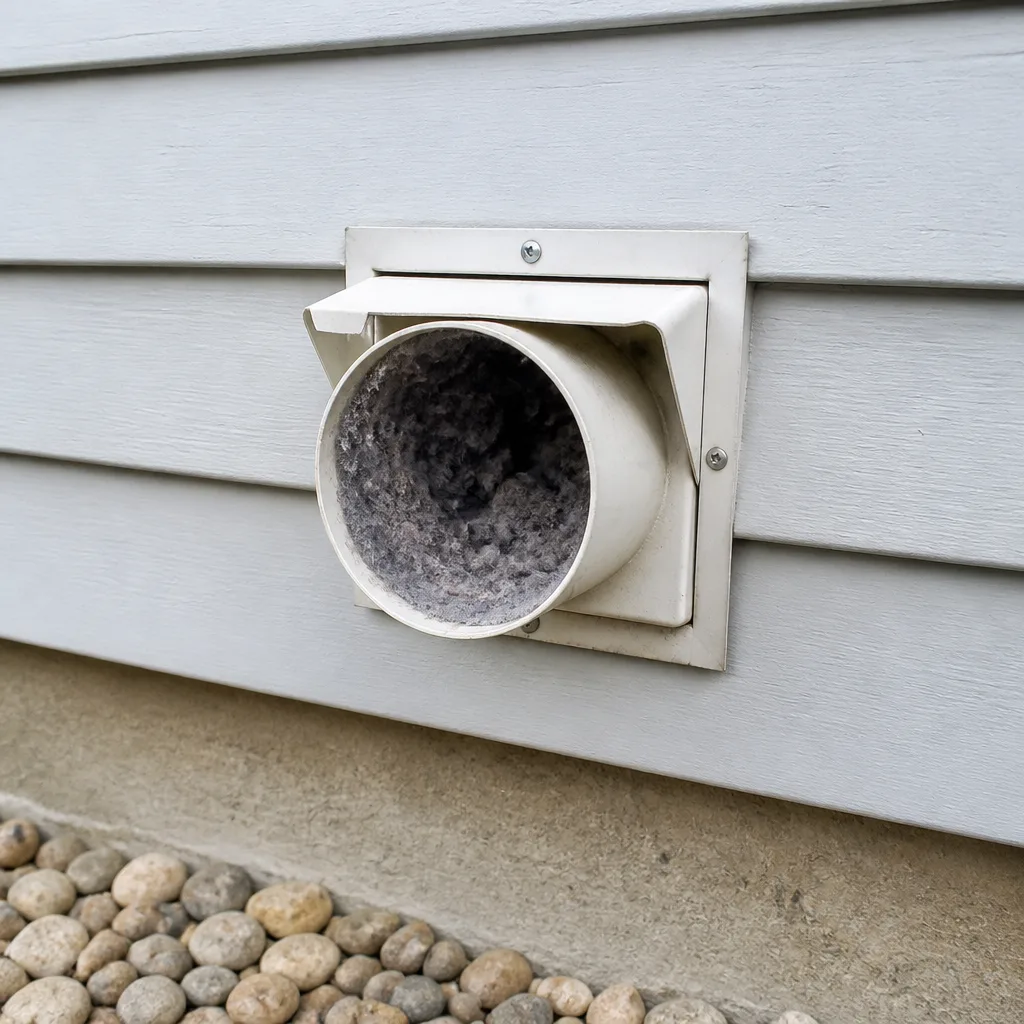 Dryer vent cleaning
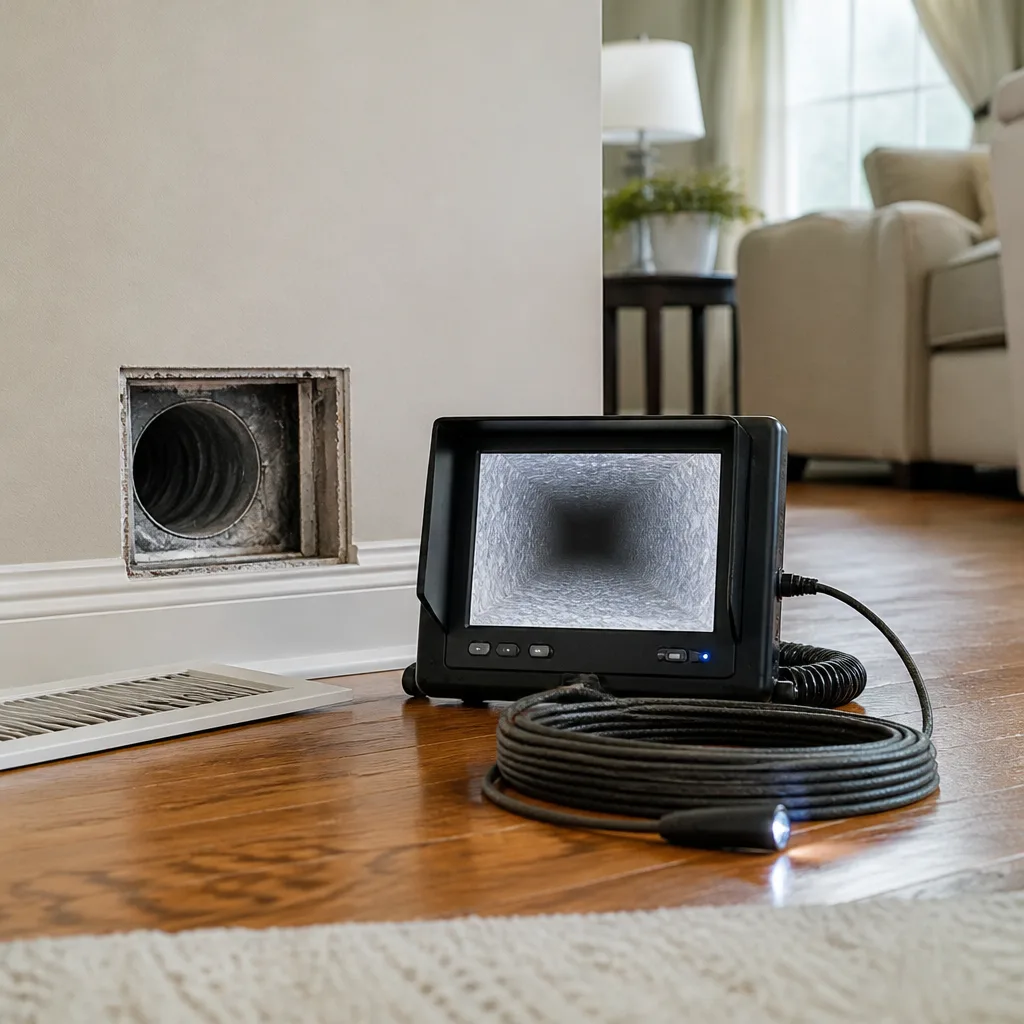 Camera inspection
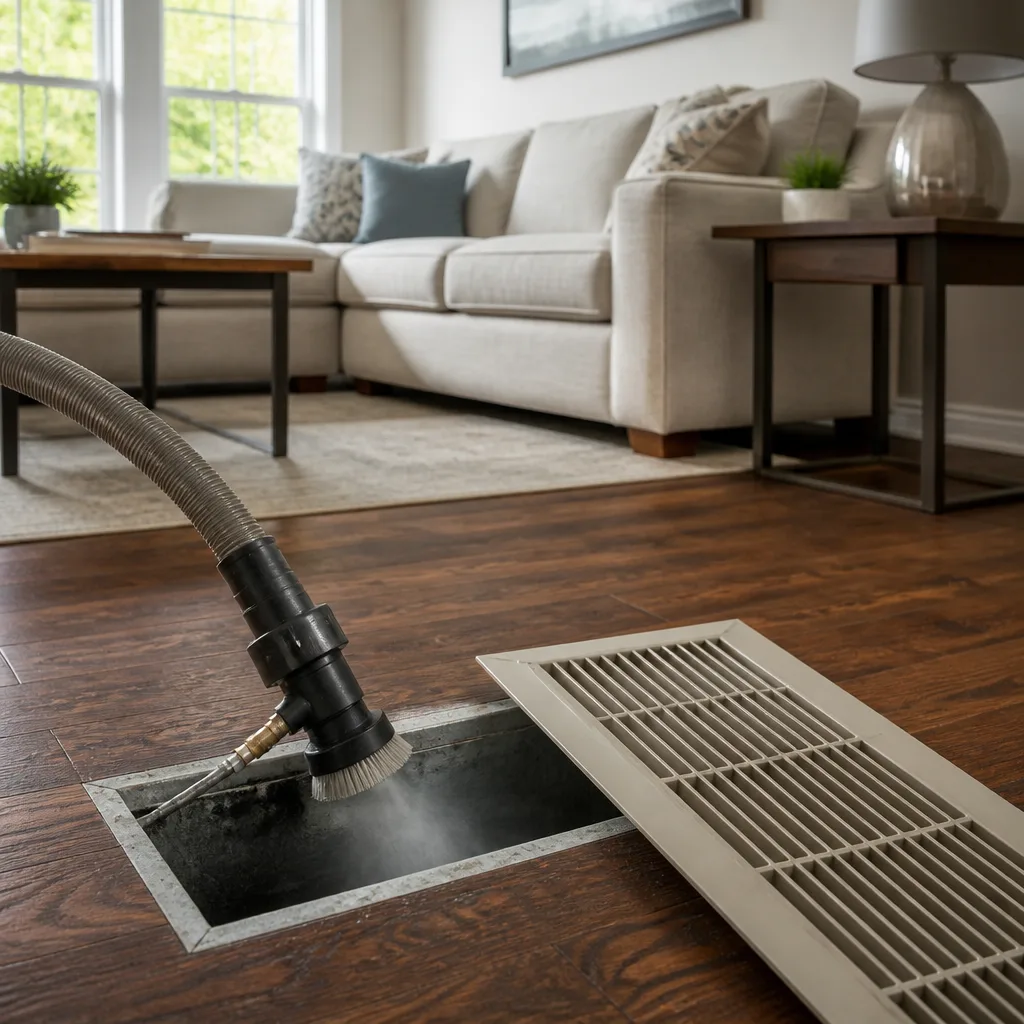 Sanitizing & deodorizing
Whole-system duct and dryer vent check with before-and-after photos - you see exactly what came out of your vents
That "$99 whole-house special" is a bait ad - the real number appears once they are in your hallway, or the "clean" is a shop-vac at the register. We photograph the inside of your ducts before and after instead.
Air Duct Cleaning Emergency Preparedness Guide for Paradise Homes
Most emergency preparedness guides for homes cover fire and flood. In Paradise, the air delivery system is the life-safety infrastructure that keeps occupants functional during extreme heat events, and a failed or contaminated duct system during a 115°F week is its own kind of emergency. During the July 2023 heat dome, emergency room visits across the Las Vegas Valley spiked, and poor indoor air quality in homes with struggling HVAC systems was a contributing factor that nobody’s talking about in preparedness planning. This guide walks through how to assess whether your duct system is heat-event-ready, what to do after a haboob or smoke event, and how to build a simple home air quality kit. We’ll show you where a duct system fails under load, and how Paradise homeowners can prepare before summer peaks.
Quick Answer
Air duct emergency preparedness for a Paradise home means checking three things before summer: whether your ducts leak or are blocked enough to push the HVAC system past its capacity threshold on a 115°F day, whether filters and returns are set up to handle a haboob or wildfire smoke event, and whether you have a backup layer (portable purifier, upgraded filter, CO/air quality monitor) if the duct system is compromised. A pre-summer inspection and cleaning of the air delivery system is the highest-value step. If contamination or leakage is already showing, a repair, not just a cleaning, is the right call.
Styles & brands we work with
- Whole-home duct cleaning
- Dryer vent cleaning
- Camera inspection
- Sanitizing & deodorizing
Table of Contents
- Is Your Duct System Heat-Event-Ready?
- How Duct Leakage Pushes Your HVAC Past Capacity
- What to Do After a Haboob or Smoke Event
- Emergency Triage When a Duct System Fails in Extreme Heat
- Building a Simple Home Air Quality Kit
- Warning Signs Your Ducts Are Compromised
- The Other Vent That Belongs in Your Emergency Plan
- When It’s Time to Call In Equipment You Can’t Rent
Is Your Duct System Heat-Event-Ready?
Heat-event readiness is a physical check, not a feeling. Before Paradise’s first 110°F week, every homeowner should be able to answer yes to a short list of questions about the duct system. If you can’t answer yes, you’re relying on luck in a climate that doesn’t reward it.
Here are the checkpoints that actually matter for performance under load:
- Sealed joints and connections. Every gap where a duct segment meets a register, boot, plenum or the air handler is a leak. In a hot attic, a leaking supply duct pulls attic air into your living space. That’s not cooling, it’s costly. Walk the visible runs in the attic or crawlspace and look for tape that’s dried out, seams that have pulled apart, or runs that sag or crush against framing.
- Filter and return sizing. A return that’s too small or a filter that’s too restrictive starves the blower. Under a July load, that shows up as a system that runs continuously and never quite hits the thermostat setpoint. Check the filter’s MERV rating against what your air handler can actually handle, and look at the return grille for obstructions or undersized openings.
- Blocked or partially collapsed runs. Flex duct that’s kinked, crushed, or resting directly on attic joists restricts airflow. A hard-pressed system in Paradise often has one or two compromised runs dragging down the whole loop.
- Dust loading at the plenum and registers. Heavy dust on the supply plenum, visible streaking at registers, or a fine coat on the return grille before summer means the system is already loaded and will only get worse under peak pull.
- Condensate and drain pan. A clogged condensate line during a heat event triggers a float switch shutdown. Not a duct problem, but it’s the emergency that gets blamed on the ducts.
If two or more of these checkpoints fail, treat the system as not heat-event-ready and schedule air duct cleaning and an inspection before the first real heat wave. Cleaning and sealing is far cheaper than the fallout from a heat event with a compromised air delivery system.
How Duct Leakage Pushes Your HVAC Past Capacity
A duct system that leaks isn’t just wasting energy. In a Paradise summer, leakage and blockage can push a correctly sized HVAC system past its capacity threshold. That’s the moment where a home that “usually cools fine” stops keeping up.
The mechanics are straightforward. Your air handler is rated to move a specific volume of air through the duct system at a specific static pressure. When leaks bleed supply air into a 140°F attic, or when blockages force the blower to fight resistance, the system can’t deliver the rated airflow to the rooms. The compressor keeps running, the evaporator coil gets cold, and the coil can freeze. You end up with an AC that runs all day, never satisfies the thermostat, and starts doing damage to itself.
In our experience across Paradise, the failures cluster in a few predictable places:
- Attic supply runs with dried tape and pulled joints. The hottest part of the house, the worst place to lose conditioned air.
- Flex runs crushed behind drywall or against joists. Common in remodels and older tract construction where later work pinched the original run.
- Disconnected boot-to-floor connections. Register boots that have separated from the subfloor blow air into the wall cavity or the crawlspace instead of your room.
- Undersized return and over-filtered supply. The whole system fights its own resistance under peak load.
The fix isn’t always a full replacement. Air duct repair – sealing, reconnecting and re-routing compromised runs – is often the difference between a system that survives a heat event and one that fails. That’s a service many cleaning-only companies can’t provide, and it’s why we treat cleaning and repair as a matched pair. If your system has been struggling through recent summers, this is the season to deal with it.
What to Do After a Haboob or Smoke Event
A haboob rolls in fast, and it doesn’t care that your windows were closed. The dust and fine particulate that makes it into your home almost always enters through the HVAC system: through the return, through gaps in the ductwork, through the filter’s edges if it’s improperly seated. Wildfire smoke behaves the same way. Most of the visible mess clears in a day. What stays behind is the fine load that settled inside the ducts.
Here’s the immediate protocol after a dust or smoke event enters the home through the HVAC system:
- Turn the system off during the event if possible. Running the blower pulls more dust through the return and redistributes it across the house.
- Close windows and doors and seal obvious gaps. Drafts at doors and sliding glass are a primary entry point in Paradise homes.
- Replace the filter as soon as the event passes. Don’t wait for the usual interval. A dust-loaded filter after a haboob is doing nothing for indoor air.
- Run the fan and observe. If the system blows visible dust from the registers for more than a short purge, the dust has settled in the ducts and isn’t coming out on its own.
- Wipe down hard surfaces and vacuum with a HEPA unit. This handles the ambient load; it doesn’t reach inside the ducts.
- Schedule a professional cleaning if you see dust, smell the dust, or notice allergy symptoms persisting after a week. That’s your sign the ducts are holding the load.
What separates a proper post-event cleaning from a shop-vac attempt is filtration. We use Abatement Technologies air filtration on-site to capture what we loosen, so contaminants don’t get recirculated into the home while we work. For Paradise homes near the edges of the valley where dust events hit hardest, this step is the whole ballgame.
Emergency Triage When a Duct System Fails in Extreme Heat
If the system fails during a heat event, you need a sequence. Panic during 115°F weather is expensive. Use these steps to triage before you call for professional help.
- Confirm the failure mode. Is the AC running but not cooling? Is the blower dead? Is there a frozen line at the outdoor unit? Each points to a different fix, and none of them are helped by guessing.
- Check the filter and the return. A collapsed filter can stall airflow and mimic a refrigerant problem. Replace it and retry.
- Look at the registers. If supply air is weak at every register, the problem is upstream at the air handler or a major trunk. If it’s weak in one or two rooms only, you’re likely looking at a single failed or disconnected run.
- Listen at the return. A whistling return tells you the system is starving for air. A silent return tells you the blower or the control side has failed.
- Get people and pets to the coolest room. Close off the hottest rooms and use a portable AC or fan in one consolidated zone. This buys hours, not days.
- Call a professional for anything you can’t see or reach. Ductwork in attics during a heat event is a serious hazard – falls through drywall, heat exposure, wiring – and shouldn’t be self-navigated.
When you call, have the answers to the first four steps ready. The technician can triage faster with that information, and the visit is more likely to end in a fix rather than a diagnosis-then-return.
If the failure turns out to be duct disconnection, crush damage, or a compromised trunk, we can repair as well as clean. That matters in a Paradise heat event, because a cleaning-only company can clean a broken system and hand it right back to you still broken.
Building a Simple Home Air Quality Kit
No home air quality kit replaces a healthy duct system. It’s a backup layer for the hours or days when the duct system is compromised by a heat event, a dust storm, or a smoke plume. Every Paradise home should have one, and it can be assembled without spending much.
Here’s what a practical kit looks like:
- A portable HEPA air purifier sized to one room. Choose the room you’d consolidate into during a heat event – usually the one with the most window coverage and the easiest door to close. Place it in the center of the room, clear of walls and curtains, and run it continuously during an event.
- Two or three replacement filters rated for the purifier. Stored sealed. The event is not the time to order one.
- A temporary filter upgrade. One or two higher-MERV filters sized for your return, stored untouched for the specific purpose of a dust or smoke event. Understand what your air handler can handle, because a too-restrictive filter creates its own capacity problem.
- A CO and air quality monitor. A carbon monoxide alarm belongs in every Paradise home regardless of the season. A simple air quality monitor gives you a visible reading on particulates that helps you decide when to run the purifier harder and when to call for help.
- A battery or hand-crank radio and a printed contact list. Because phones die during outages, and calling the right number first is the whole point of preparedness.
We’ve seen plenty of Paradise homes where the kit is present but the ducts aren’t maintained, and the purifier is fighting a losing battle against a contaminated system. The kit buys time. The duct cleaning and repair solves the problem. If you use Honeywell or Aprilaire products in your home’s air quality setup, we’re familiar with those lines and can advise on how they should interact with your duct system under load.
Warning Signs Your Ducts Are Compromised
Contamination and leakage announce themselves long before a failure. The problem is most people don’t know what to look for. In Paradise, the signs show up against a backdrop of dry air, high dust, and long cooling seasons that load up the system faster than in milder climates.
- Visible dust streaks at the registers. A dark halo or streaking on the supply grilles or the ceiling around them means air is blowing past the register with dust still entrained in it.
- Dust returns fast after cleaning. If you dust a room and it’s dusty again in days, the ambient source is likely the ducts, not the surfaces.
- A musty or dusty smell when the system starts. That first minute of airflow after the system kicks on is telling you what’s in the ducts.
- Weak supply air in specific rooms. One or two rooms that never quite cool or heat the way the rest of the house does usually have a failed or crushed run behind them.
- Higher-than-usual electric bills during cooling season. A leaking supply duct in a hot attic wastes cooling in a way that shows up on the bill before it shows up any other way.
- Persistent allergy or respiratory symptoms indoors. Not a diagnosis – a signal. If indoor symptoms clear when you’re away from home, look at the air delivery system.
- The system runs continuously and never satisfies the thermostat. Under peak load, this is the classic symptom of leakage and blockage pushing the system past capacity.
If you’re seeing two or more of these together, the honest answer is to have the system inspected before the next heat event. Diagnosis during an emergency is always more disruptive than diagnosis in the shoulder season.
The Other Vent That Belongs in Your Emergency Plan
The air duct system is the main infrastructure story here, but there’s a second one in every Paradise home that belongs in the same conversation: the dryer vent. A clogged dryer vent is a leading cause of residential fires, and unlike a haboob, it doesn’t announce itself with a wall of dust. It builds up lint over months and waits.
The signs a dryer vent needs attention:
- Clothes take longer than one cycle to dry.
- The dryer or the wall behind it is hot to the touch during operation.
- Lint is visible at the outdoor vent or accumulating inside the laundry area.
- A burning or overheated smell during the dry cycle.
In our experience, this is the vent most Paradise homeowners skip in their readiness planning because the dryer still “works.” It does, until it doesn’t. Dryer vent cleaning is a dedicated service we treat with the same seriousness as duct cleaning, because the consequences of ignoring it are fire, not nuisance.
Pair dryer vent cleaning with the duct inspection. Both are about moving air safely through a system that’s built to carry it, and both should be checked before the hot season, not during.
When It’s Time to Call In Equipment You Can’t Rent
Some of the guide above is genuinely do-it-yourself: filter replacement, register checks, purifier placement, the immediate post-haboob protocol. Some of it is not. Once you’re past the exterior of the duct system, the equipment and the training matter.
The line is pretty clear. Consumer equipment – a shop-vac, a brush attachment from the hardware store, a rented “duct cleaning” kit – can agitate debris. It cannot capture what it loosens. That debris ends up back in the rooms. Professional systems work differently. We operate Rotobrush and Nikro platforms, the same class of equipment used by certified HVAC and restoration contractors, and pair them with Abatement Technologies filtration that captures the dislodged material on-site rather than recirculating it into your air. The protective standards we work to, including Guardsman-grade materials and finishing in repair work, are part of that same standard.
Air duct cleaning is the service most Paradise homeowners reach for first. Repair is what they didn’t know they needed and often do. If your system’s been struggling, if the signs above are present, or if you’re simply prepping before the first 110°F week, this is the season to get it handled.
Common Mistakes to Avoid
- Waiting for a failure to think about the ducts. The point of preparedness is to act before the emergency. Paradise summers don’t offer a lot of warning – a system that fails in July is a system that should have been inspected in April.
- Assuming cleaning alone solves a leakage problem. Cleaning a duct system with disconnected or crushed runs makes it clean and still broken. You need repair capability, not just cleaning capability.
- Relying on a shop-vac and calling it cleaning. Loosening dust without capturing it moves the problem into your air, not out of the system. It’s the single biggest reason people think duct cleaning “doesn’t work” – they’ve never seen it done with professional equipment and proper filtration.
- Skipping the filter replacement during a dust event. A filter loaded with haboob dust is doing nothing. The forty-eight-hour window after a dust event is when the filter needs to change, not three months later.
- Forgetting the dryer vent in the emergency plan. The air delivery system fails loudly; the dryer vent fails quietly. In Paradise, both belong in the same maintenance cycle.
- Sealing the house for a smoke event without a plan for airflow. Running a portable purifier in one closed room is better than circulating smoke through the whole HVAC system. Don’t confuse “seal the house” with “shut off all filtration.”
- Ignoring the return duct. Homeowners look at the supply side – registers, vents, grilles – and forget that the return is where dust enters the system. A compromised return is the front door for the entire dust load.
See the difference
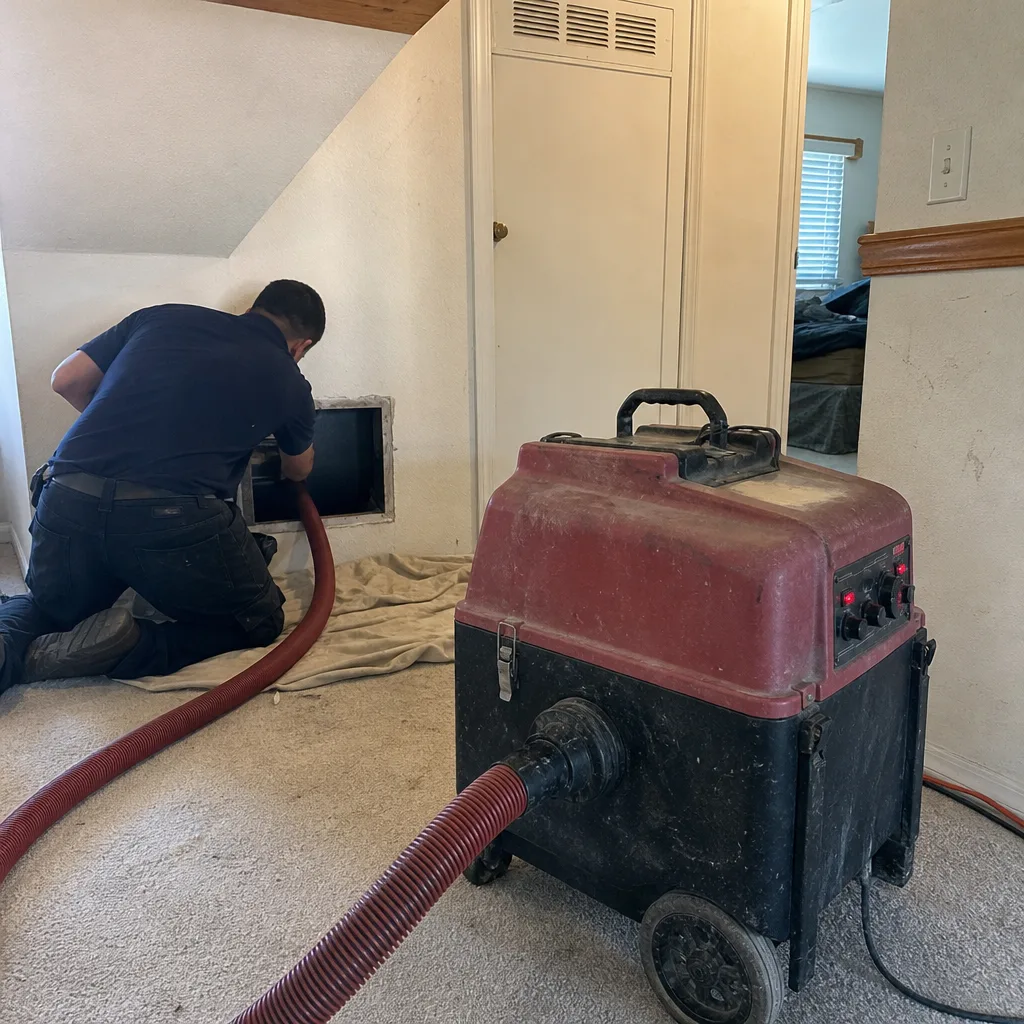 Before
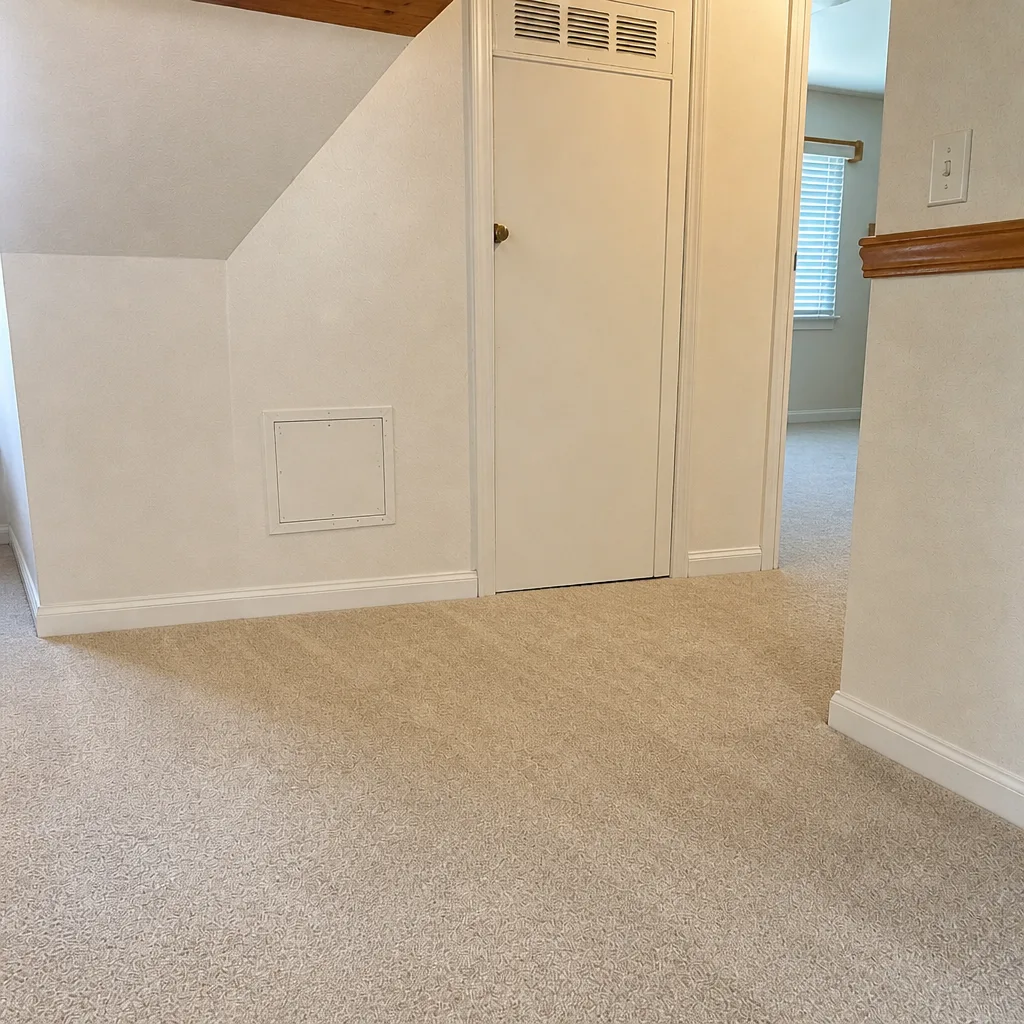 After
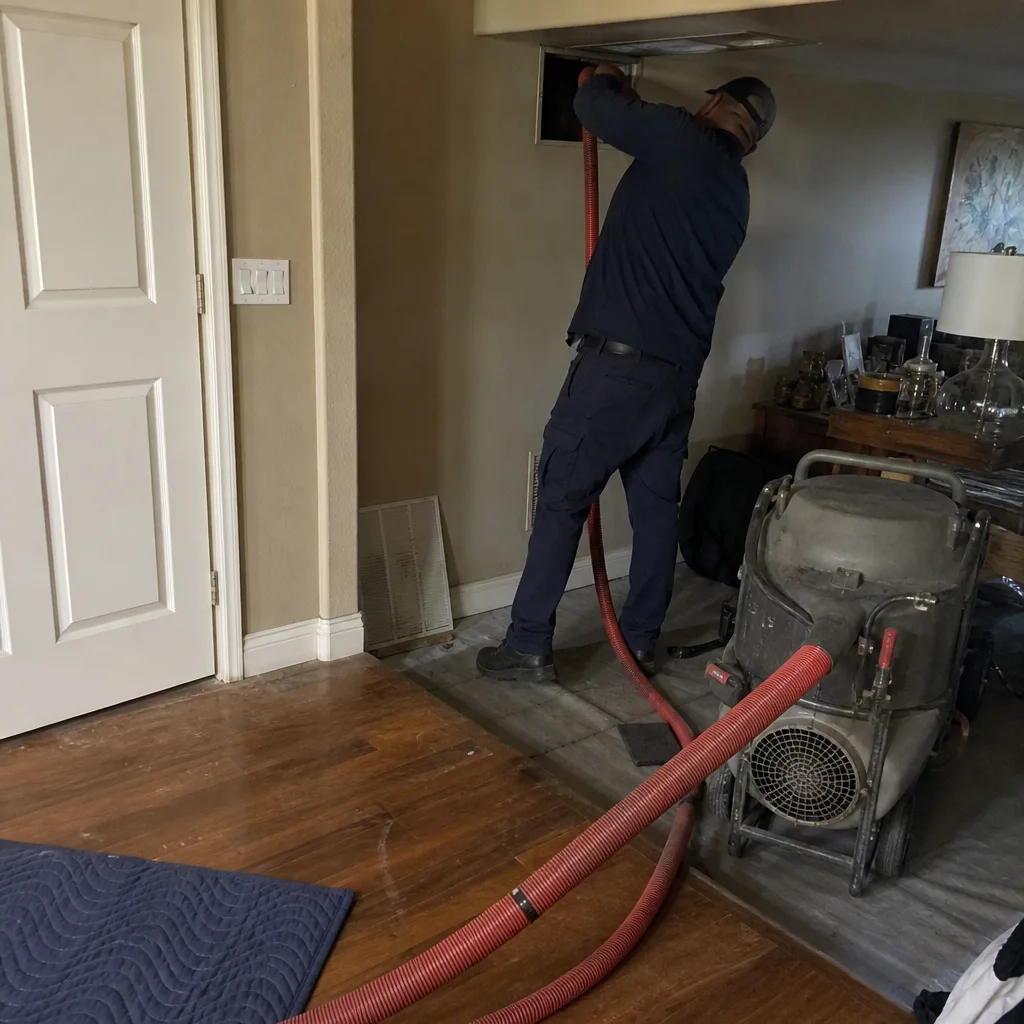 Before
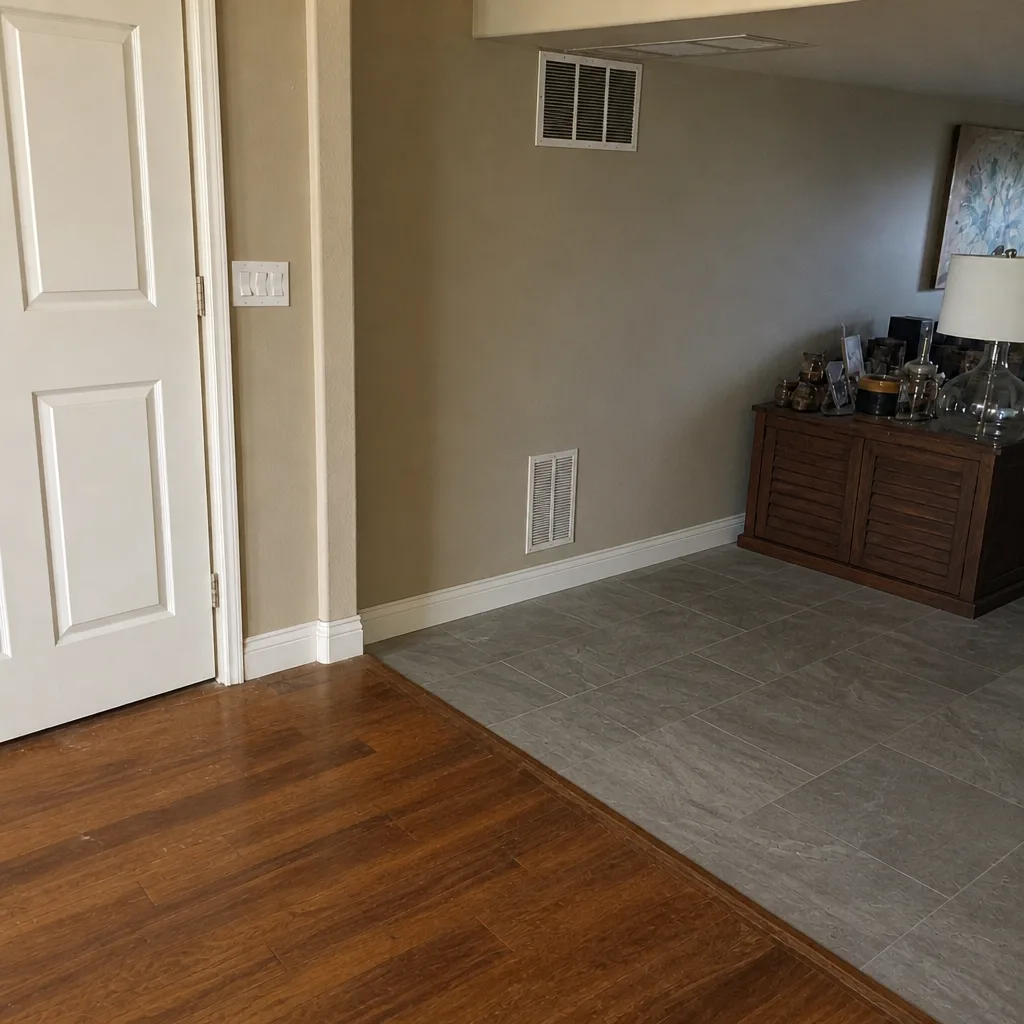 After
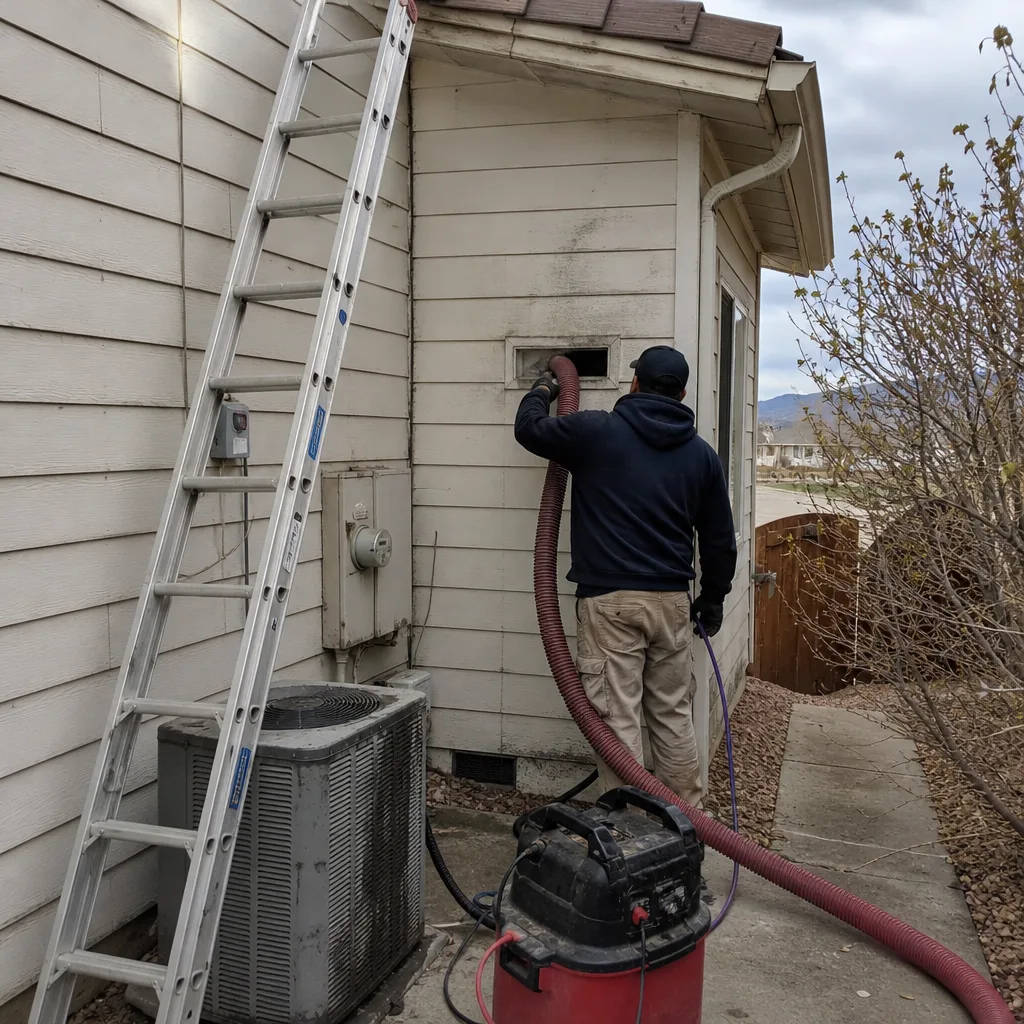 Before
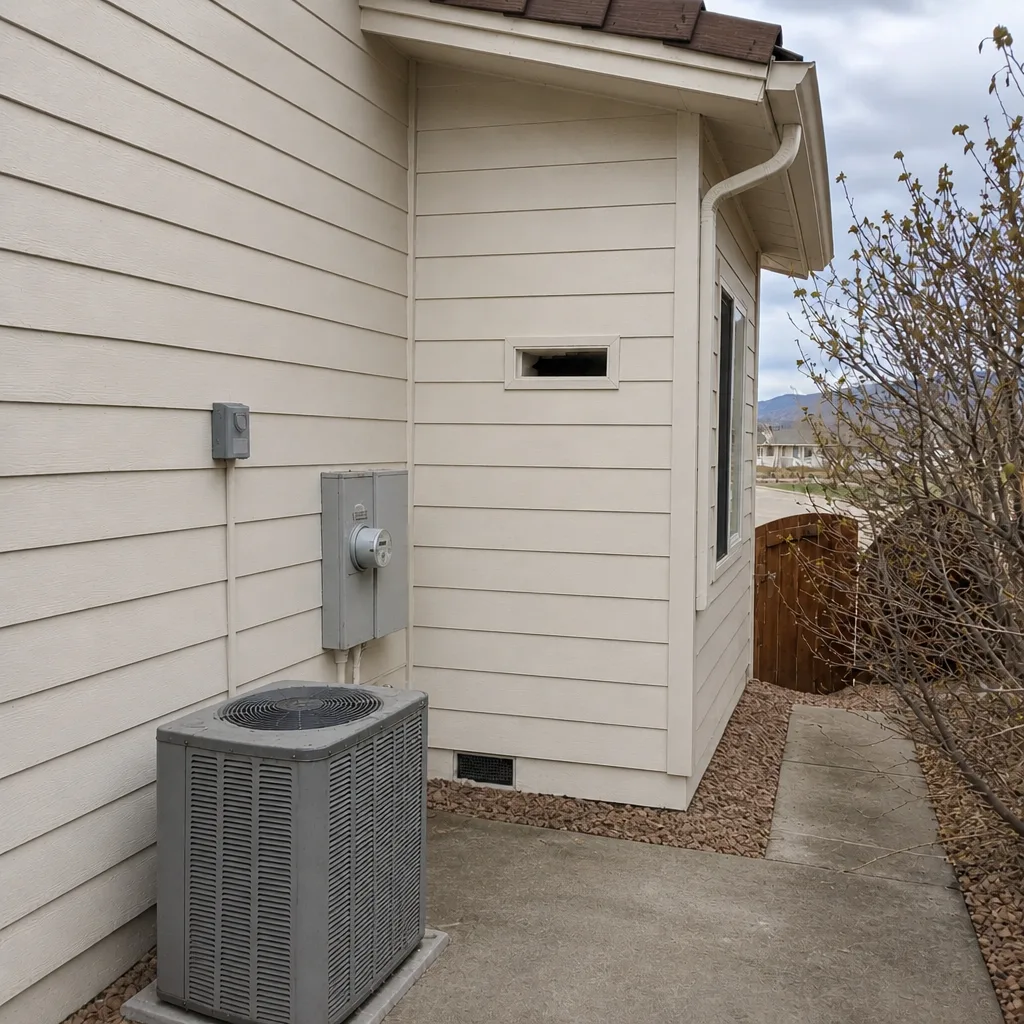 After
When to Call a Professional
Call for professional help when: you’re seeing any two or more of the warning signs above together; your system has been struggling through recent Paradise summers; a haboob or smoke event has visibly entered the home through the HVAC system and the dust isn’t clearing from the registers; you’re prepping a home for a heat event and the pre-summer checkpoints aren’t passing; or your dryer vent shows any of the fire-risk signs. Also call if the system has failed and you can’t safely reach the ductwork to diagnose it – attic heat and drywall are a real hazard in this climate.
Paradise Duct Cleaning offers free estimates in Paradise – call (866) 330-2124 for a written estimate. We’re a full-service air duct specialist working with professional-grade Rotobrush, Nikro and Abatement Technologies equipment, and we can repair as well as clean.
Frequently Asked Questions
Run the pre-summer checkpoints: sealed joints and connections, filter and return sizing, no crushed or blocked runs, no dust loading at the plenum or registers, and a clear condensate line. If two or more checkpoints fail, the system isn’t heat-event-ready. Call (866) 330-2124 for a free estimate – a written estimate sets the price, and the visit is scheduled at your convenience.
Turn off the HVAC system during the event if you can, close windows and doors, and replace the filter as soon as the storm passes. Then run the fan and observe the registers. If dust blows for more than a short purge, or the smell lingers a week later, the ducts are holding the load and need a professional cleaning. Call (866) 330-2124 for a free estimate – estimates are free and the price is set by the written estimate before work starts.
Not effectively. You can wipe surfaces and vacuum with a HEPA unit, and that handles the ambient dust. But a shop-vac loosens debris inside the ducts without capturing it, and the fine particulate goes back into the air. Professional cleaning uses Rotobrush and Nikro systems paired with Abatement Technologies filtration to capture what’s loosened. Call (866) 330-2124 for a free estimate – we’ll write it up before anything begins.
Usually because the cheaper quote is per-vent pricing with consumer-grade equipment and no filtration, and the work is an agitation pass, not a full cleaning with capture. Some quotes also exclude repair, which means a broken duct stays broken. We price one flat rate per system, agreed in the written estimate before work begins, with before-and-after photos of your own ducts so you can see what changed. Call (866) 330-2124 for an exact quote – estimates are free.
For most homes, every two to three years, and sooner if you’ve had a haboob, wildfire smoke event, or remodel. In Paradise specifically, the dust load and long cooling season tend to shorten the interval compared to milder climates. If the system is showing warning signs before the interval, don’t wait. Call (866) 330-2124 for a free estimate and we’ll tell you honestly whether cleaning is due or repair is needed instead.
Yes, in a home with vulnerable occupants. A failed duct system during a 115°F week can make the home unsafe to occupy for hours to days, and that’s the emergency. Get people and pets into one cooled room with a portable AC or fan, then call for professional triage. Call (866) 330-2124. We answer 24/7. A call outside dispatch hours is booked into the next opening, Sunday through Friday, 7am to 7pm.
The Bottom Line
Preparedness in Paradise means treating the air delivery system as life-safety infrastructure, not background plumbing. Pre-summer checkpoints catch leakage and blockage before a heat event pushes your HVAC past capacity. A post-haboob protocol protects the house from the fine dust that settles in the ducts and stays there. A home air quality kit – purifier, spare filters, temporary filter upgrade, CO and air quality monitor – buys time when the system is compromised, but it doesn’t fix a broken duct. The dryer vent belongs in the same plan for the same reason: it fails quietly and the consequences are fire. Get the system inspected, clean what’s dirty, repair what’s failed, and start the season ahead of it. If you’d like a professional read on your system, Paradise Duct Cleaning is a call away, and if you’re comparing options, see our Paradise Duct Cleaning overview.
Contact
Call (866) 330-2124 for a free estimate. We answer 24/7. Fast dispatch from 7am to 7pm, Sunday through Friday. We’ll walk through your system, provide a written estimate, and set the price per job before any work starts. Professional-grade equipment, before-and-after photos, and a team that can repair as well as clean.
Written by the team at Paradise Duct Cleaning.